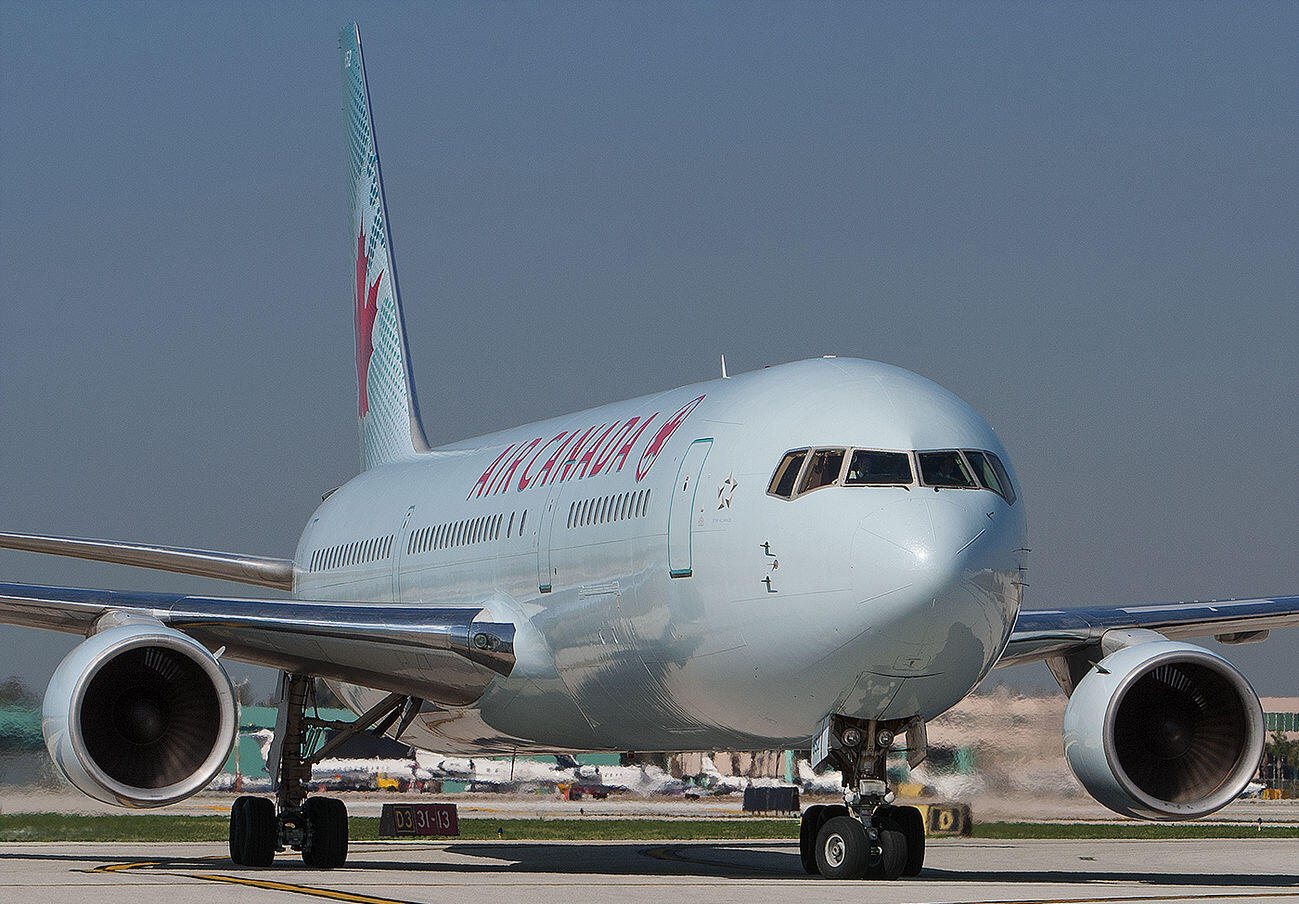
Air Canada Boeing 767-300
Credit: Joe Pries
North American airlines are making waves with recent widebody orders, including Airbus A350s and Boeing 787s, as they begin replacing legacy fleets of A330s, 767s, and 777s. This week’s Flight Friday examines total flight cycles for the region’s largest widebody operators: Air Canada, American Airlines, Delta Air Lines, and United Airlines.
Total annual widebody utilization for these operators exceeded 2019 levels back in 2023. In 2019, the Boeing 777 made up a third of all the flight cycles for these fleets, with the 767 closely following at 28%. With the A350 having a reasonably small fleet in 2019, it accounted for less than 2% of annual utilization.
By 2023, and the time that 2019 levels had been passed, there was a shift in utilization away from the legacy production groups and towards the newer aircraft. Whilst the 777 was still dominant at 31%, the 767 had dropped seven points, accounting for 21%. The seven points were gained by the 787 as its percentage share moved from 21% up to 28%.
For 2025, the 777 is still clinging to its number one spot, however it’s only a single percentage point above the 787. The A350 has moved to accounting for 5% of the annual utilization, which is a step in the right direction, however with comparatively smaller outstanding orders for these operators, it will not take too much away from the others. The A330 did make some gains with the introduction of additional A330-900s into the Delta fleet and now sits at 17%.
This data was put together using Aviation Week’s Tracked Aircraft Utilization database.

Related Content