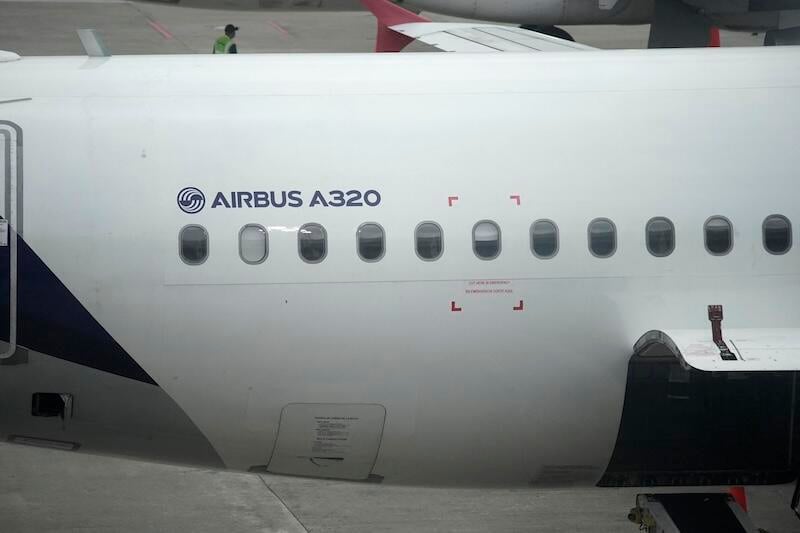
March 20, or 3/20, provides a great opportunity to explore how Airbus A320 utilization has shifted over time. Specifically, we examine the transition from legacy engines like the CFM56 and V2500 to the latest-generation Leap and GTF (PW1000G) engines. This shift reflects the ongoing modernization of the A320 fleet and the broader trends in aviation.
Comparing February data across years allows for a near like-for-like analysis, with the exception of leap years like 2020 and 2024, which include an extra day of operations. Back in February 2019, the CFM International CFM56 powered over 300,000 flights, accounting for just over 55% of total utilization. The IAE V2500 followed with more than 175,000 flights, representing a little over 30%. Meanwhile, the CFM Leap and Pratt & Whitney GTF engines combined for nearly 70,000 flights, making up the remaining share.
By February 2020, the aviation industry was beginning to feel the early effects of the COVID-19 pandemic, though its full impact was not yet realized. Total A320 flights dropped by 10,000 compared to 2019. However, the market share of Leap and GTF-powered flights rose to just under 20%, signaling a gradual shift toward next-generation engines.
February 2023 marked a turning point, as the total number of A320 flights surpassed pre-pandemic levels for the first time. This growth continued into 2024, but since then, flight numbers have plateaued. Despite this stabilization, the composition of the A320 fleet continues to evolve. From 2024 to 2026, the market share of CFM56-powered A320s has declined from 43% to 42%, while V2500-powered aircraft have dropped from 23% to 22%. These reductions reflect the retirement of aging platforms as airlines transition to more efficient and modern engines.
The Leap now powers over 25% of all A320 flights, a significant increase as airlines embrace its improved efficiency and performance. Meanwhile, the GTF accounts for less than 10% of flights, as the manufacturer works to address ongoing durability challenges. These issues are expected to be resolved in the coming months, potentially boosting the GTF’s market share in the near future.
This shift in A320 engine utilization highlights the aviation industry’s commitment to modernization and efficiency. While legacy engines like the CFM56 and V2500 continue to play a role, their market share is steadily declining as airlines adopt next-generation technologies. The rise of the Leap engine and the anticipated improvements to the GTF underscore the ongoing evolution of the A320 fleet, paving the way for a more sustainable and efficient future in aviation.
This data was put together using Aviation Week’s Tracked Aircraft Utilization database.

Related Content