Flight Friday: Iran Conflict Impact On Middle Eastern Flight Operations
With the Iran conflict ongoing, this week’s Flight Friday investigates how airport and airspace closures are impacting Middle Eastern operators’ aircraft.
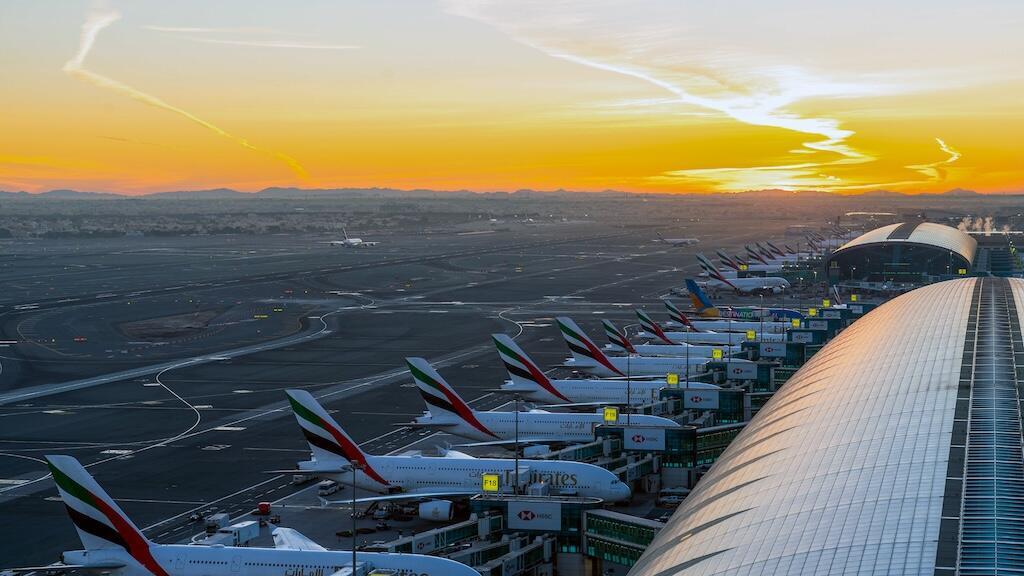
On Feb. 28, the U.S. and Israel began a series of strikes on Iran, which in turn led to retaliation from the Iranian regime. These retaliatory strikes had a huge impact on Middle Eastern operators as airports closed due to possible dangers in the area. Dubai International Airport (DXB) itself was struck by weaponized drones.
The data shows a drop in flights; however, in the week that followed, there has been some resumption in some flights.
TheAirbus A320 family accounts for the largest number of flights by Middle Eastern operators, and a week after the war started, the A320s have returned to flying, but at over 50% of their previous levels. Likewise, the Boeing 737 is also back, at almost 50% levels, but a slightly lower in-service fleet (ISF) naturally accounts for fewer flights.
Widebodies are flying at around 50% of pre-strike levels. What is interesting is that the A380 levels are at 66% of pre-strike levels, as operators, mainly Emirates, use the aircraft’s ability to carry a large number of passengers to keep people moving in/out of the region. The A350 is used the least when compared to pre-strike levels, at approximately 22%.
The 777 is at 50% and seems to be preferable to the 787 (36%), again possibly in part to its ability to carry more passengers in a single flight.
This data was put together using Aviation Week’s Tracked Aircraft Utilization database.

Related Content