Flight Friday: ANA Leads Asia-Pacific Widebody Flights After 2025 Recovery Milestone
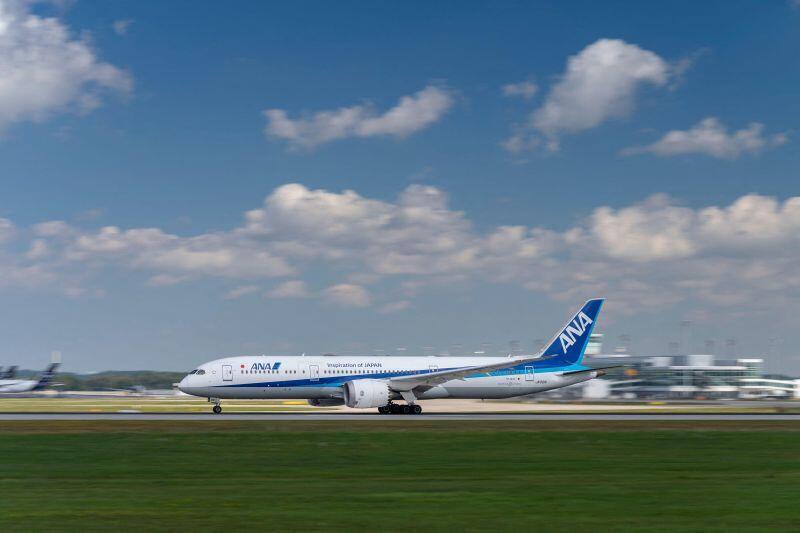
All Nippon Airways (ANA), over the last year, has operated the highest number of widebody flights. However, for 2026, 57% of those widebody flights are domestic flights, with ANA having a strong domestic market.
Cathay Pacific Airways, by contrast, uses its widebodies almost exclusively for international flying (note that for this data purpose, the special administrative region of Hong Kong is classed as its own country). Flights have increased from 9,500 monthly flights in early 2025, up to almost 10,500 flights recently.
Japan Airlines (JAL), similar to ANA, has an almost 60% split in favor of domestic flying. Domestic flying leads to slightly shorter routes and means the average stage length of the JAL widebodies is sub-5 hr., whereas Cathay Pacific is almost 6.5 hr.
Singapore Airlines and Korean Air have similar profiles. However, with Korean recently starting to dispose of several Boeing 747-8s to the U.S. Air Force, the widebody fleet has decreased, which has also led to a decrease in monthly cycles.
This data was put together using Aviation Week’s Tracked Aircraft Utilization database.

Related Content