
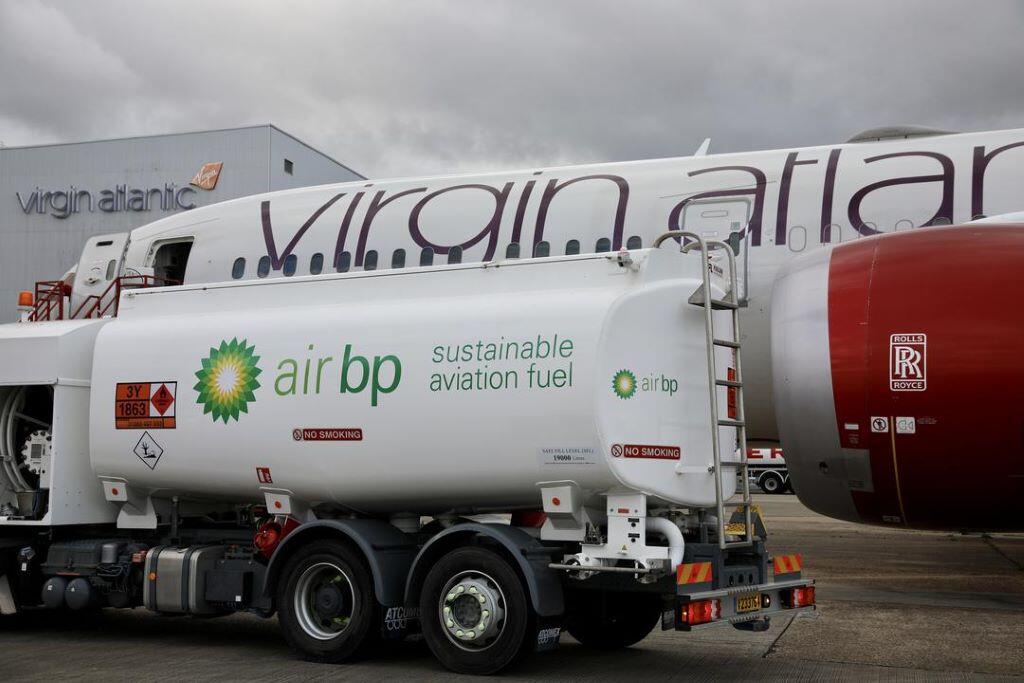
Virgin Atlantic flies first 100% SAF transatlantic flight
Virgin Atlantic operated the world’s first transatlantic flight powered by 100% sustainable aviation fuel (SAF) from London to New York on Nov. 28, 2023, a move it says proves SAF is a safe drop-in replacement for fossil-derived jet fuel and the only viable solution for decarbonizing long-haul aviation.
The 7-hr. 16-min. flight used a blend of SAF made up of 88% hydroprocessed esters and fatty acids (HEFA) made from waste fats supplied by Air bp. The remaining 12% synthetic aromatic kerosene (SAK) is made from plant sugars and was supplied by Virent, a subsidiary of Marathon Petroleum Corporation. SAK is needed in 100% SAF blends to give the fuel the necessary aromatics for engine function, Virgin said.
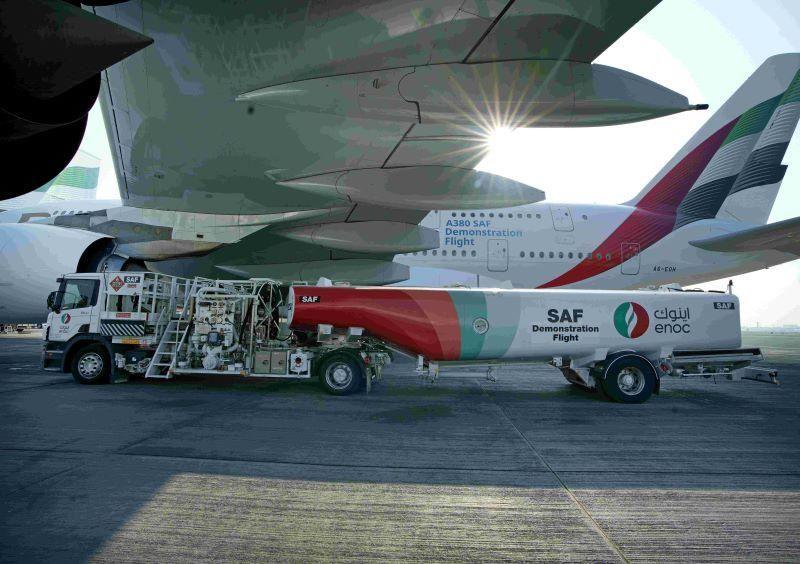
Emirates demonstrates A380 flight with engine using 100% SAF
Emirates Airlines flew an Airbus A380 with one of the aircraft’s four engines powered by 100% sustainable aviation fuel (SAF) on Nov. 22, 2023, marking the first time such a demonstration has been conducted on the Airbus double-decker by an operator rather than an airframe or engine manufacturer.
The flight, which took place from Emirates’ base at Dubai International Airport, used SAF in one of the aircraft’s Engine Alliance GP7200 engines, as well as the PW980 auxiliary power unit, and was comprised of HEFA-SPK (hydro processed esters and fatty acids synthetic paraffinic kerosene) provided by Neste and HDO-SAK (hydro deoxygenated synthetic aromatic kerosene) from Virent. Emirates National Oil Company (ENOC), a wholly owned UAE company, blended the fuel with sustainable aviation kerosene (SAK) at its Dubai International Airport ahead of the demonstration.
Air Canada signs up for Airbus carbon capture
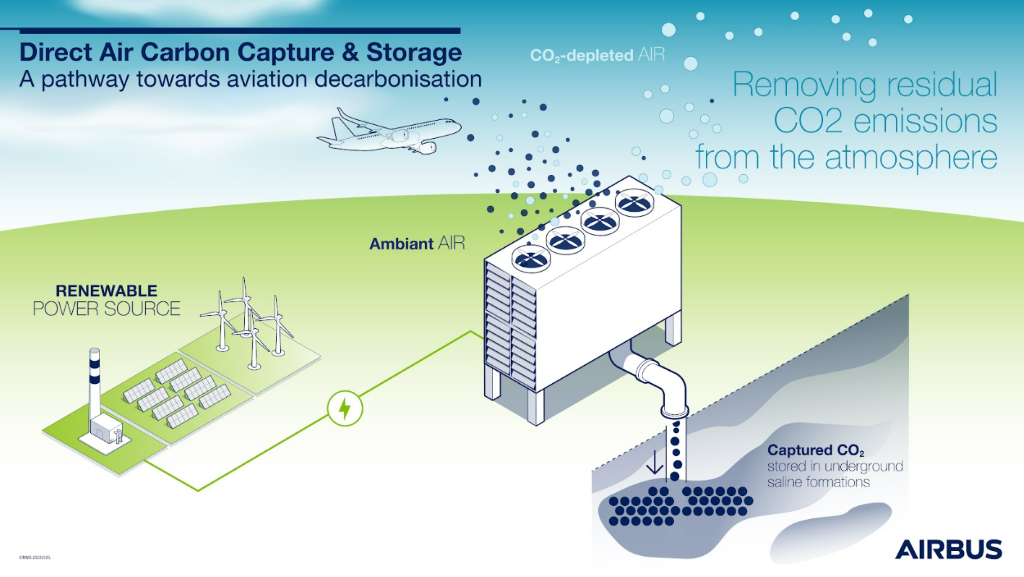
Air Canada became the first North American airline to sign up for The Airbus Carbon Capture Offer, which uses Direct Air Carbon Capture and Storage (DACCS) technology to offer airlines worldwide carbon removal credits to advance their decarbonization goals.
Airbus’ partner 1PointFive will issue the carbon removal credits. Airbus’ agreement with 1PointFive includes the pre-purchase of 400,000 tonnes of carbon removal credits to be delivered over four years. Air Canada’s credits will last from 2026 to 2029.
DACCS technology filters and removes CO2 emissions directly from the air using high-powered extraction fans. Once removed from the air, the CO2 is stored in underground reservoirs. CO2 emissions released into the atmosphere during aircraft operations cannot be directly eliminated at source, but with DACCS, an equivalent amount can be extracted from the air.
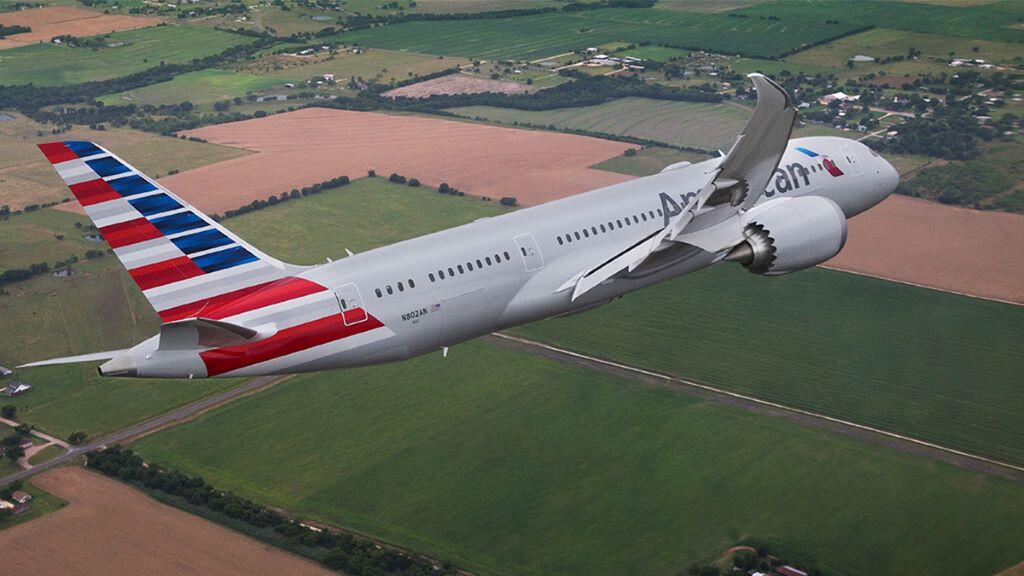
American invests in SAF; is inaugural customer for carbon removal
US power-to-liquid (PtL) sustainable aviation fuel (SAF) startup Infinium secured a $75 million investment commitment from Bill Gates’ Breakthrough Energy Catalyst and signed a fuel offtake agreement with American Airlines. The project equity investment from Catalyst will support Infinium’s Project Roadrunner, which plans to convert an existing gas-to-liquids facility in West Texas to produce renewable fuels from waste CO2 and renewable power. Expected to be the largest power-to-liquid e-fuels project in North America, Roadrunner is planned to be operational in 2026. The plant will primarily produce SAF, along with renewable naphtha and diesel.
In addition, American will be an inaugural customer for Graphyte, a carbon removal startup backed by Breakthrough Energy Ventures, with the purchase of 10,000 tons of permanent carbon removal to be delivered in early 2025.

Startup Ecojet to take up to 70 ZeroAvia engines
New UK regional airline Ecojet ordered up to 70 of ZeroAvia’s ZA600 and ZA2000 hydrogen-electric powertrains to power its future fleet, ahead of the startup’s planned launch in 2024. Edinburgh-based Ecojet is sourcing the powertrains through regional lessor MONTE, ZeroAvia’s preferred ZA600 leasing partner that specializes in low-emissions technologies. MONTE signed a purchase agreement for 100 ZeroAvia engines in June. Ecojet is aiming to become the world’s first electric airline. It plans to start operating domestic UK routes with conventionally powered turboprops from 2024, before transitioning to hydrogen-electric technologies.
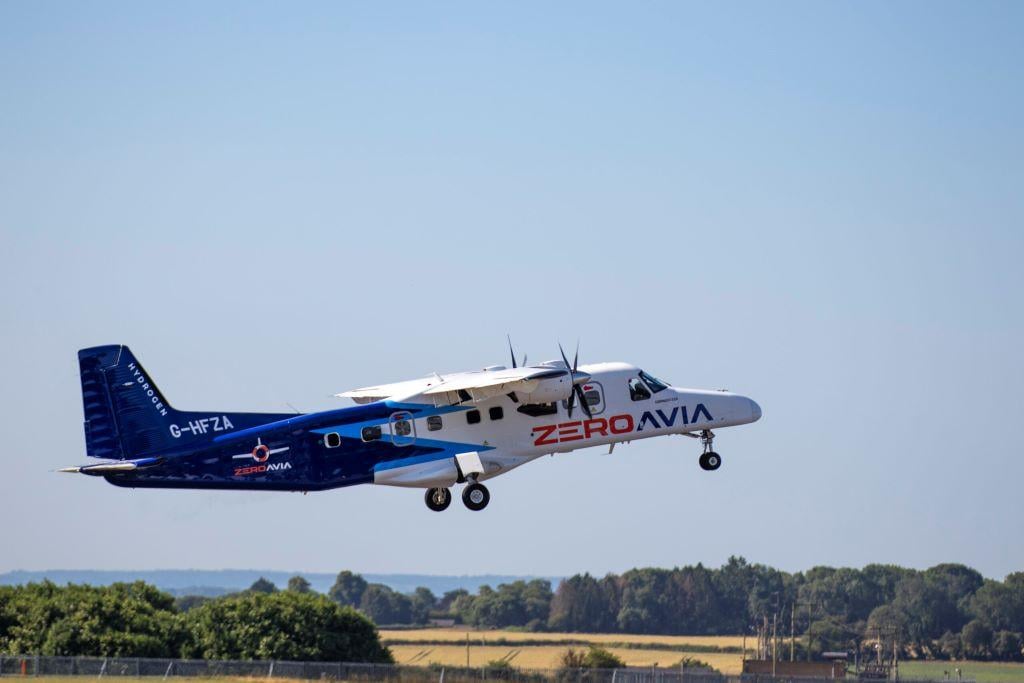
UK investment boosts funding for ZeroAvia’s hydrogen propulsion
US/UK hydrogen-electric propulsion startup ZeroAvia closed a $116 million Series C funding round with a £32 million ($40 million) investment from the state-owned UK Infrastructure Bank. The bank joins Airbus, Barclays Sustainable Impact Capital and Saudi Arabia’s Neom Investment Bank as co-leads in the funding round, the largest yet for ZeroAvia after its $72 million Series B in 2022 and $56 million Series A in 2019.
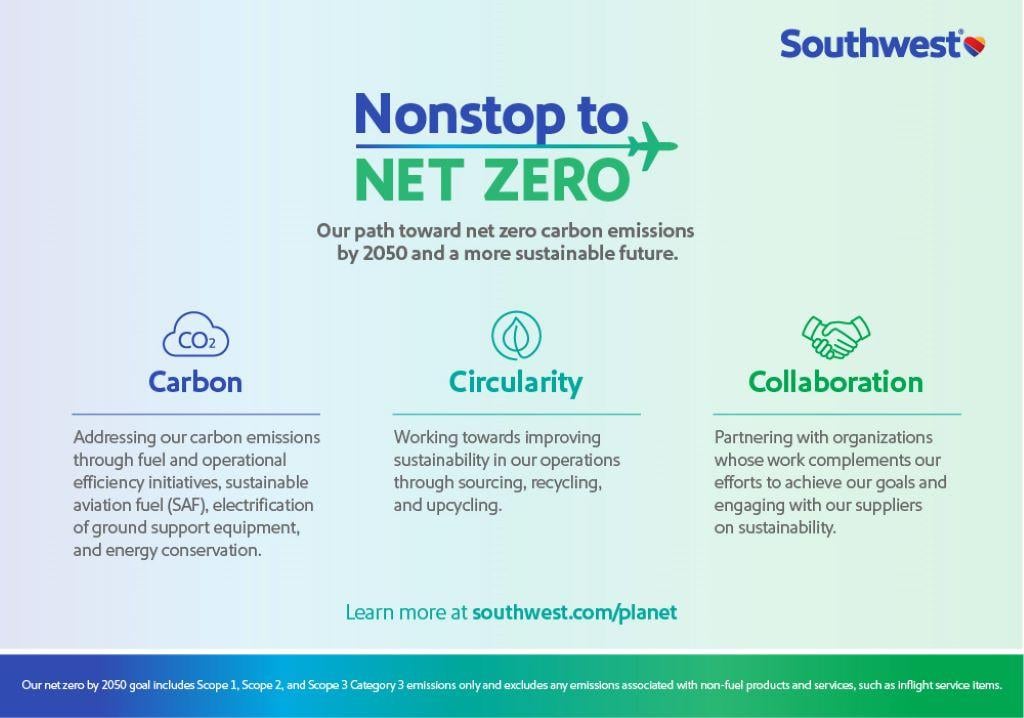
Southwest updates sustainability strategy
Southwest Airlines updated its sustainability strategy, Nonstop to Net Zero, to include electrifying 50% of eligible ground support equipment systemwide by 2030; saving 50 million incremental gallons of jet fuel by 2025, with a goal of saving 1.1 billion cumulative gallons by 2035 by implementing initiatives that include enhancements to flight planning software, expected to save at least 145,000 metric tons of CO2e annually; and reducing single-use plastics from inflight service by 50% by weight by 2025 and eliminating single-use plastics from inflight service where feasible by 2030.
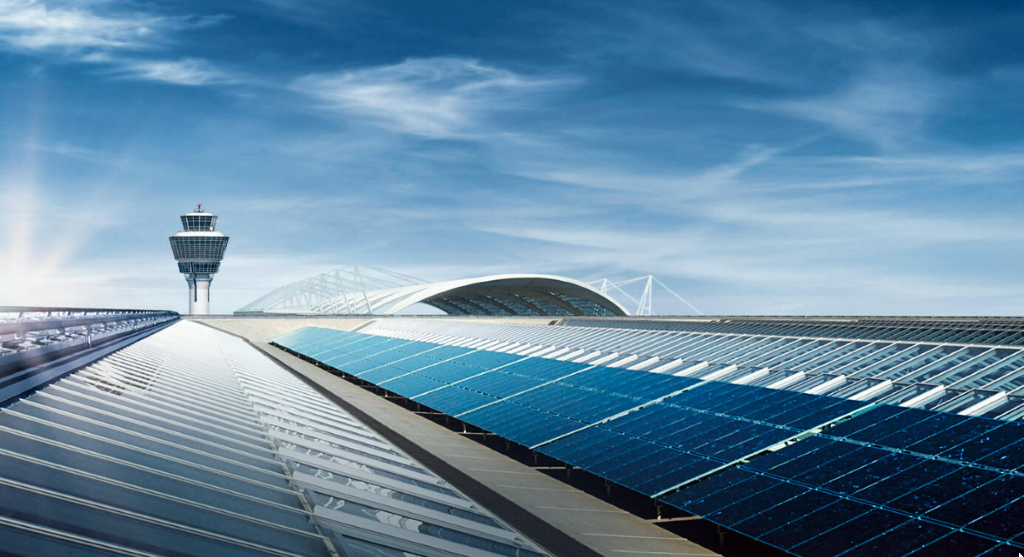
Munich Airport pushes up net zero targets
Munich Airport is intensifying its existing climate targets and now intends to achieve net zero by 2035 rather than 2050. Achieving net zero means reducing the emissions that the airport itself can influence—known as Scope 1 and 2 emissions—by a minimum of 90%. The remaining around 10% of emissions must be actively and permanently removed from the atmosphere. To achieve net zero, measures are planned in four major areas: energy supply, airport-specific facilities and technical infrastructure, buildings, and the vehicle fleet. In all, the CO2 emissions of the base year 2016 that can be influenced by the airport will be reduced by over 90,000 tons.
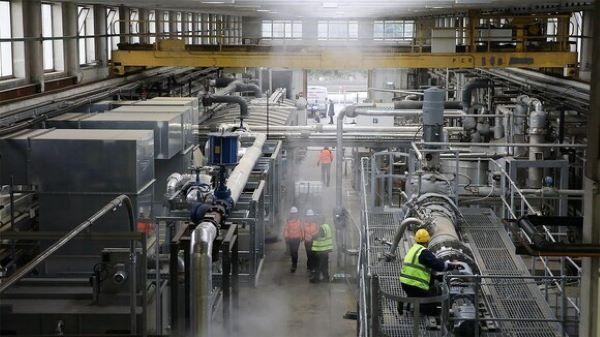
UK’s Project Speedbird wins $11.2 million for SAF production
The UK has moved a step closer to aviation carbonization following a partnership between Nova Pangaea Technologies, LanzaJet and British Airways (BA), called Project Speedbird, which secured £9 million ($11.2 million) from the government’s Advanced Fuels Fund (AFF) competition. The project will produce 102 million liters of SAF per year, reducing CO2 emissions by 230,000 tons per year—the equivalent of approximately 26,000 BA domestic flights. Pictured: Nova Pangaea Technologies Lab
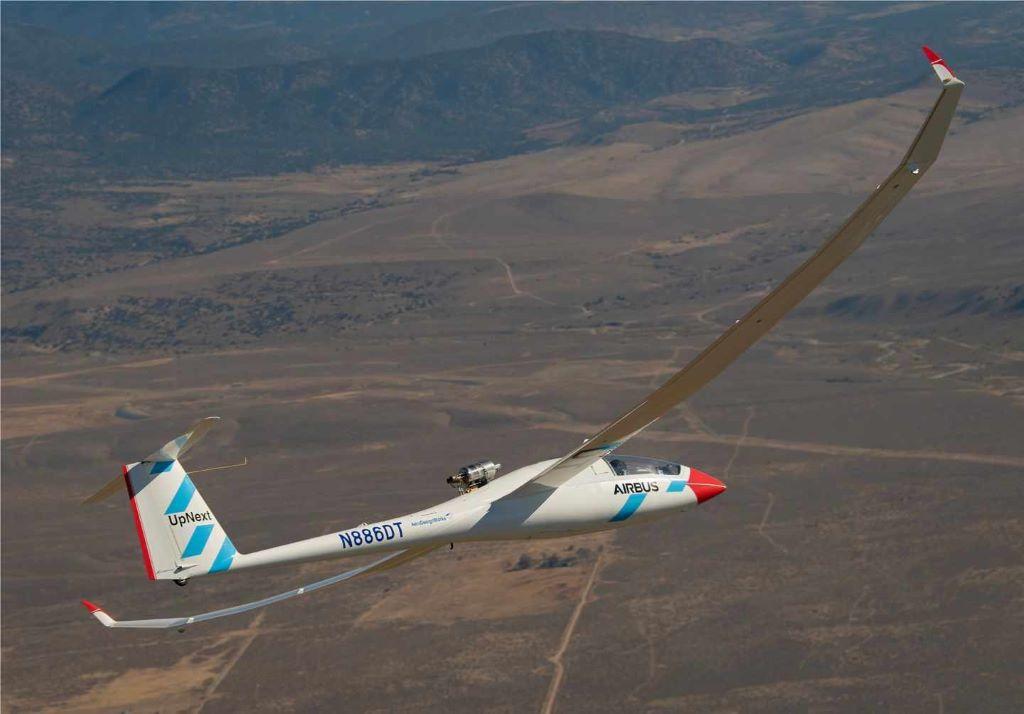
Airbus begins hydrogen-powered Blue Condor flight tests
Plans by Airbus UpNext, the aircraft maker’s technology innovation arm, to research the impact of hydrogen on contrail formation under its Blue Condor project have taken a major step forward with the start of flight tests of a modified glider powered by a hydrogen-fueled turbojet.
The modified Arcus-J glider made its initial self-propelled takeoff from Minden, Nevada—home of the Perlan 2 stratospheric glider project team—on Nov 8. During the first flight, which lasted 30 min., the performance of the hydrogen-fueled engine was tested at altitudes up to 7,000 ft. Two further flights have since taken place during which engine starts were tested at 10,000 ft. <\/p>
The Blue Condor contrail study project forms part of Airbus’ ZEROe initiative to develop technologies for a hydrogen-powered commercial aircraft that could enter service by 2035. As well as measuring hydrogen’s impact on contrails, the project will provide Airbus with early experience of direct hydrogen combustion in a turbine engine as well as a greater understanding of the operational and safety factors associated with using the fuel.

JAL partners with hydro-electric developer startups
Japan Airlines (JAL) has partnered with hydrogen-electric propulsion startups H2Fly, Universal Hydrogen and ZeroAvia to explore the retrofit of its regional aircraft fleet with zero-emission powertrains.
JAL and its maintenance arm JAL Engineering Co. (JALEC) have signed MOUs with the three companies to evaluate the powertrain requirements for various aircraft sizes and ranges.
Stuttgart, Germany-based H2Fly conducted the first flight of a fuel-cell-powered aircraft using liquid hydrogen in September using its HY4 testbed aircraft. The company is working with Deutsche Aircraft to convert the 40-seat D328 regional turboprop to hydrogen-electric propulsion for flight in 2025.
Universal Hydrogen (UH2) is flying a De Havilland Canada Dash 8-300 testbed with one of its two turboprops replaced by a megawatt-class hydrogen-electric powertrain. The US startup plans to certify a conversion for the ATR 72 regional turboprop, aiming for entry into commercial service in 2026.
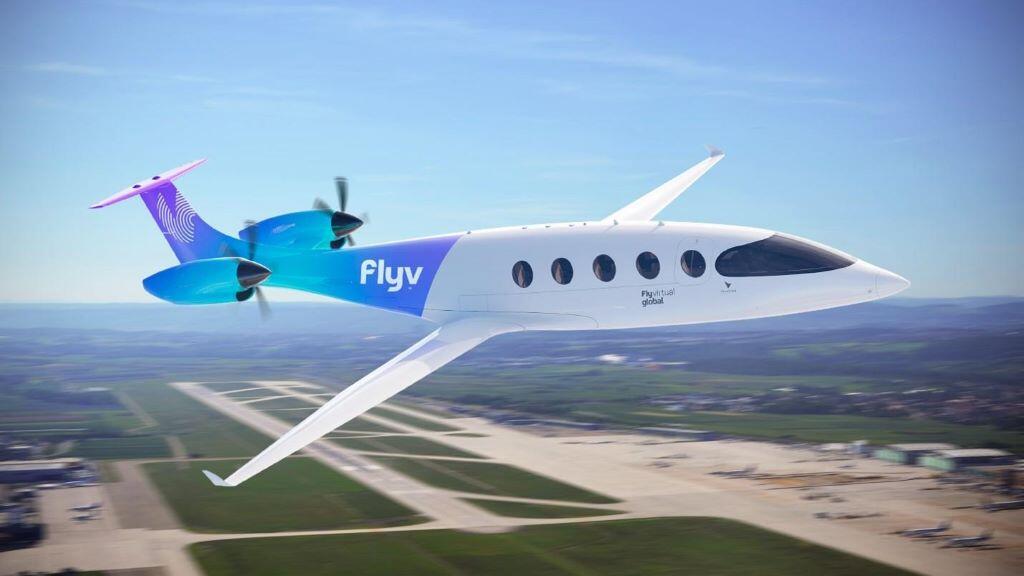
German electric startup flyVbird to launch services in 2025
Stuttgart, Germany-based startup flyVbird, which plans to launch services in Central and Northern Europe starting in 2025, believes its proposed combination of electric conventional-takeoff-and-landing (eCTOL) aircraft and a propriety, artificial intelligence-based, on-demand scheduling solution will be able to deliver a highly efficient offering that can begin to revive the struggling regional airline sector in Europe.
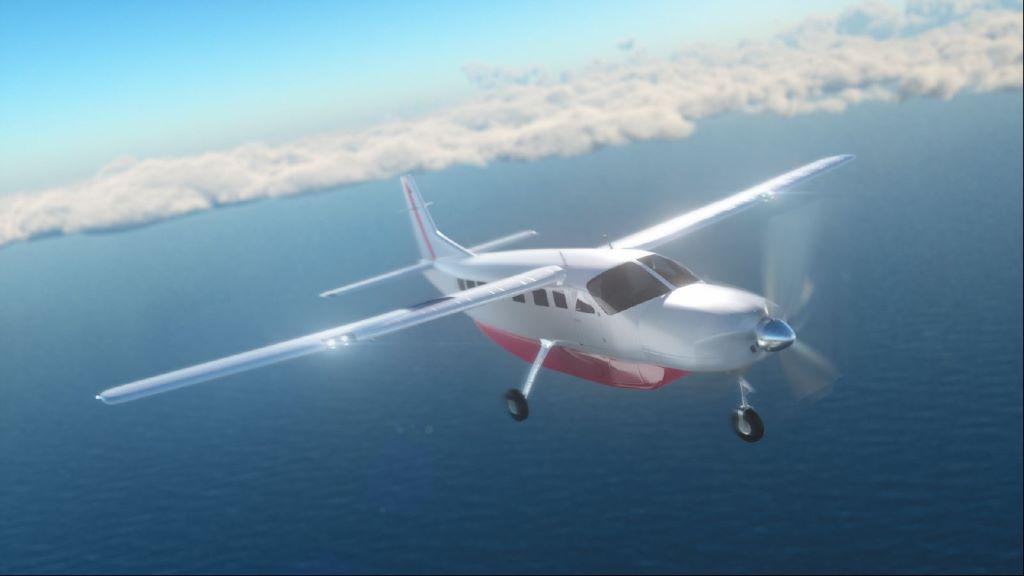
Air Nostrum orders electric aircraft retrofits
Spanish regional airline Air Nostrum signed a formal partnership with startup Dovetail Electric Aviation, which includes an agreement to purchase 10 battery- and hydrogen-electric aircraft conversions.
Spanish/Australian company Dovetail is developing a battery-electric propulsion retrofit for the Cessna Caravan, targeting certification by late 2025 or early 2026. The startup then plans to move onto retrofitting the Beechcraft King Air with a longer-range hydrogen fuel cell powertrain before moving on to modify 19-seat regional aircraft.
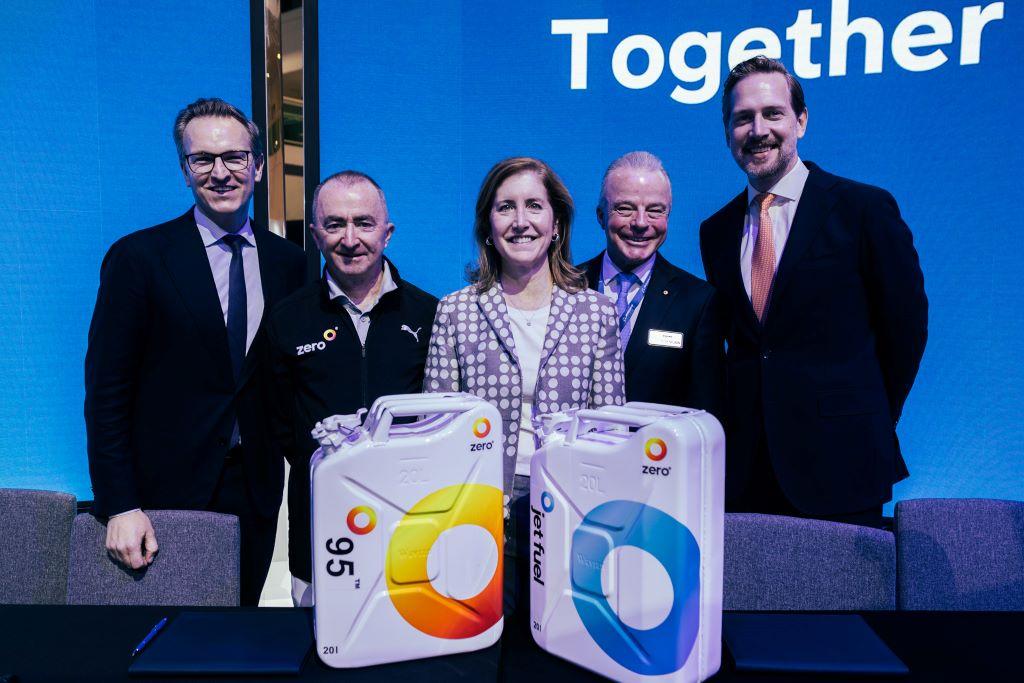
Boeing, Zero Petroleum collaborate on SAF
Boeing and Zero Petroleum have a partnership for testing and analyzing the next generation of technologies to accelerate the supply of sustainable aviation fuels (SAF). For Boeing, this represents another investment in developing SAF globally to reduce aviation’s lifecycle emissions and support the commercial aviation industry’s goal of net zero by 2050.
Zero’s technology produces SAF from air and water. The hydrocarbon fuel obtains carbon from direct air capture and hydrogen from water electrolysis. This Power-to-Liquid process has the potential to significantly reduce emissions across the lifecycle, provided there is an abundance of renewable electricity. Under the agreement, Boeing will jointly establish a testing program for Zero’s SAF at the University of Sheffield’s Energy Innovation Centre and its SAF research facility.
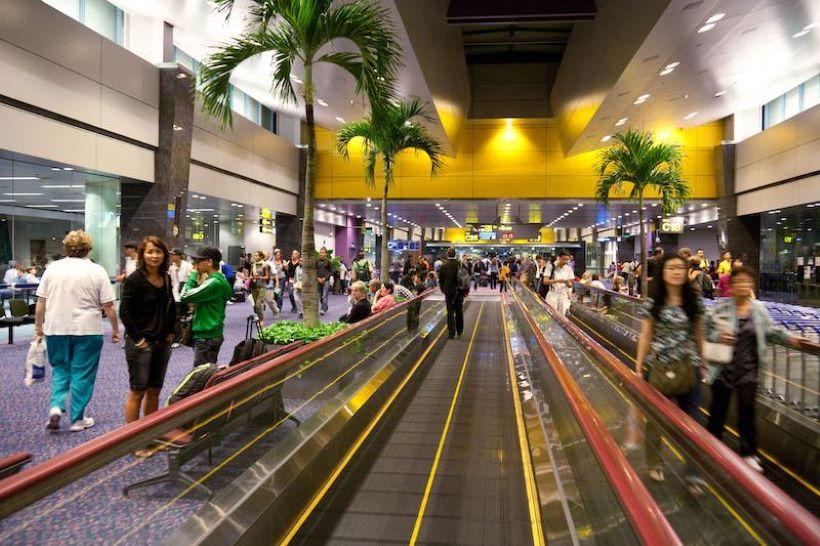
Changi Airport introduces passenger carbon offset program
Singapore Changi Airport Group (CAG) has introduced a program for passengers to offset their carbon emissions based on their point of origin, destination, and class of travel. CAG has selected three beneficiaries: forest conservation at the Rimba Raya Biodiversity Reserve in Indonesia; the Anhuang Afforestation Project in Guizhou, China; and the India Windpower Project. Some of these projects also create employment locally as well as help to introduce sustainable power sources, such as solar energy.
A business-class return ticket on the world’s longest flight—from Singapore to New York—is expected to generate 10,291 kg (22,687 lb.) of CO2. Opting in to the carbon offset program for this journey would cost a passenger S$142.53 ($105).
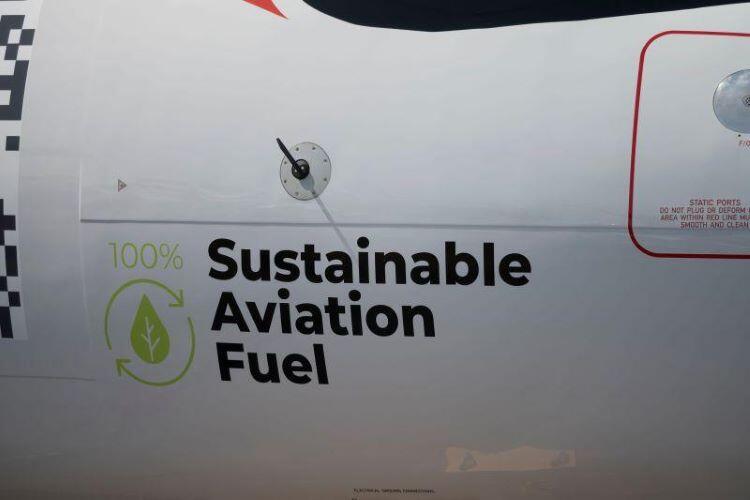
EU offers airlines $2 billion for SAF support
Airlines participating in the EU emissions trading scheme (EU ETS) are being encouraged to claim up to €2 billion ($2.1 billion) in EU ETS allowances aimed at mitigating the price difference between sustainable aviation fuels (SAF) and traditional kerosene. The initiative takes effect from January 2024, and will run until 2026. Airlines will still need to fund their upfront SAF costs, but they will be able to reclaim up to 100% of the price difference when they report their 2024 emissions in September 2025. This cost gap will be repaid through EU ETS allowances, worth around €2 billion, on a first-come first-served basis.
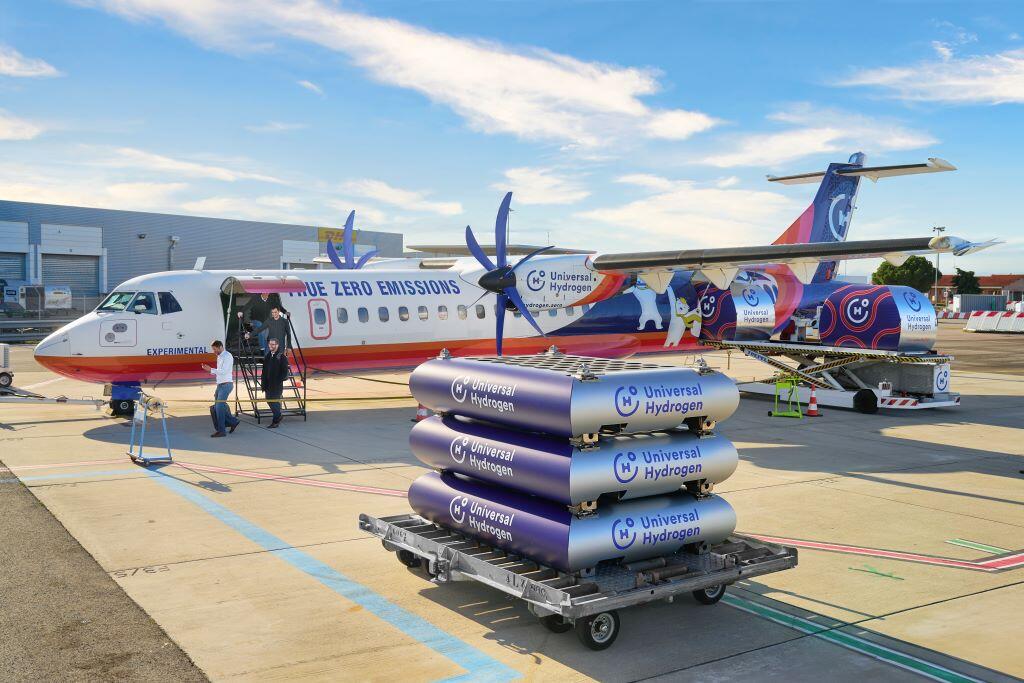
UH2 simulates hydrogen ATR turnaround in Toulouse demonstration
Universal Hydrogen (UH2) has demonstrated loading and unloading of its liquid hydrogen modules on an ATR 72 test aircraft at Toulouse Blagnac Airport. The startup is developing a hydrogen-electric propulsion retrofit for the ATR 72 and plans to provide operators with hydrogen fuel services using the modular capsules.
The demonstration on the operational F50 ramp at Toulouse Blagnac simulated a turnaround procedure and was conducted in collaboration with the airport and ground handling company Groupe 3S. The palletized modules were loaded into and then unloaded from the rear fuselage of the ATR 72 using a cargo loader. The demo was attended by the Airport Compatibility of Alternative Aviation Fuels Task Force.
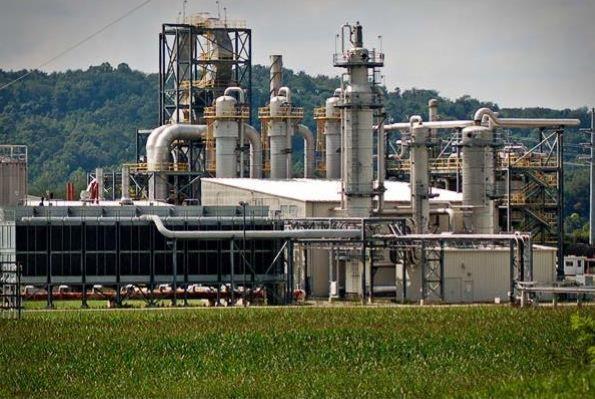
US airlines back ethanol producers on SAF credit
US airlines have backed the use of a carbon life-cycle assessment model that would make it easier for sustainable aviation fuel (SAF) made from corn ethanol to qualify for a government subsidy. A Nov. 1 letter to U.S. Treasury Secretary Janet Yellen, signed by fuel producers and seven major airlines, as well as Boeing and GE Aerospace, urged the Biden administration to immediately recognize the US Energy Department’s Argonne GREET (Greenhouse Gases, Regulated Emissions and Energy Use in Technologies) model as an acceptable lifecycle assessment methodology under the Inflation Reduction Act.
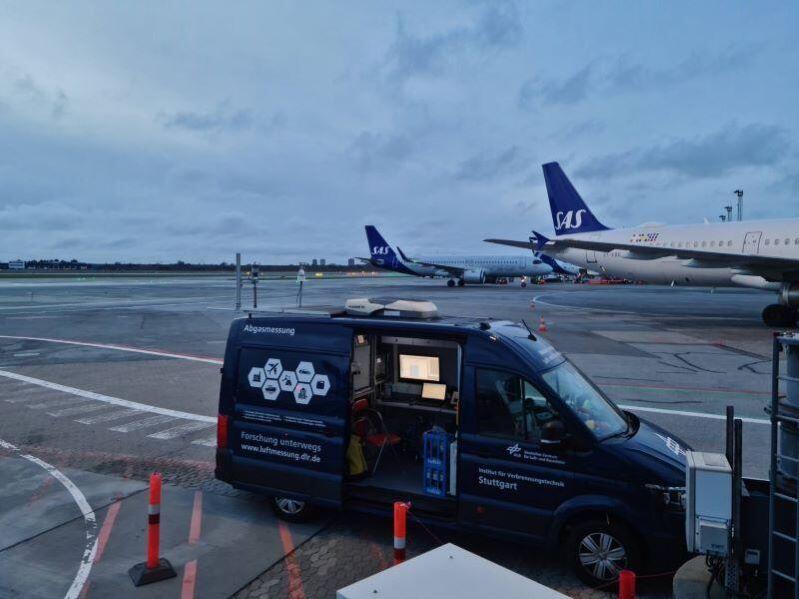
Study: SAF could reduce ultrafine particles by 34%
A study on the impact of sustainable aviation fuel (SAF) on ground air quality has revealed that ultrafine particle emissions could be reduced by about 30%, compared with traditional kerosene. The research, which was performed by German Aerospace Center DLR, Copenhagen Airport, Scandinavian Airlines and BP, monitored ground emissions from a Scandinavian Airlines (SAS) aircraft over a four-week period.
Pictured: The mobile lab of the DLR Institute of Combustion Technology
COMAC shares C929’s carbon emissions reduction target
Commercial Aircraft Cooperation of China (COMAC) chief aircraft designer has said the OEM is targeting a 60% reduction in carbon emissions versus similar modern airliners for its C929 widebody program as it works through the preliminary design phase.
The update is the most significant COMAC has provided on the C929 since Russia formally dropped out of what was previously a bilateral program in August.
Wu Guanghui, chief designer of COMAC’s C919 narrowbody and a member of the Chinese Academy of Engineering, told the China Association for Science and Technology's annual conference that the C929 will adopt a number of new design features aiming to reduce emissions. These include modular avionics technology to reduce weight as well as a new-generation supercritical airfoil and variable-camber wings to improve aerodynamic efficiency. The fuselage will also be made up of more than 50% composite materials.
As the aviation industry marches toward a newly reached agreement at ICAO’s third Conference on Aviation and Alternative Fuels (CAAF/3) to reduce CO2 emissions in international by 5% by 2030, here are some global initiatives as the industry comes together to achieve these goals.

- Virgin Atlantic
- Emirates
- Airbus
- Air Canada
- American Airlines
- ZeroAvia
- Southwest Airlines
- British Airways
- Munich Airport
- sustainable aviation fuel (SAF)
- Japan Airlines
- Universal Hydrogen
- Propulsion-hydrogen
- Air Nostrum - Iberia Regional
- Boeing
- Singapore Changi Airport
- Toulouse-Blagnac Airport
- ATR 72
- Copenhagen Airports A/S (CPH)
- German Aerospace Center (DLR)
- Comac
- Comac C919