STOCKHOLM—ST Engineering is expanding its nacelle MRO capacity as operators of new-generation aircraft increasingly seek OEM-backed repair capability and preventive refurbishment programs.
The investment reflects a broader shift underway in the nacelle aftermarket, where composite-intensive engine architectures, tighter OEM control over repair data and persistent supply chain constraints are reshaping how maintenance providers position themselves for long-term growth.
Speaking during a media presentation at ST Engineering’s nacelle facility in Stockholm, Assad Chamoun, vice president for nacelle MRO services EMEA, outlined the company’s strategy to strengthen its global footprint around next-generation platforms, particularly the Airbus A320neo, Boeing 737 MAX and 787.
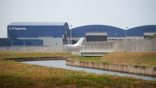
Chamoun said the approximately 15,000-m² (161,000-ft.2) Stockholm facility is undergoing a further expansion of approximately 5,000 m², scheduled for completion in early 2027. The additional capacity is intended to accommodate growing demand for widebody nacelle work as airlines continue to retain aircraft longer, while delivery delays for new fleets and engine shop capacity constraints place greater emphasis on maintaining existing assets.
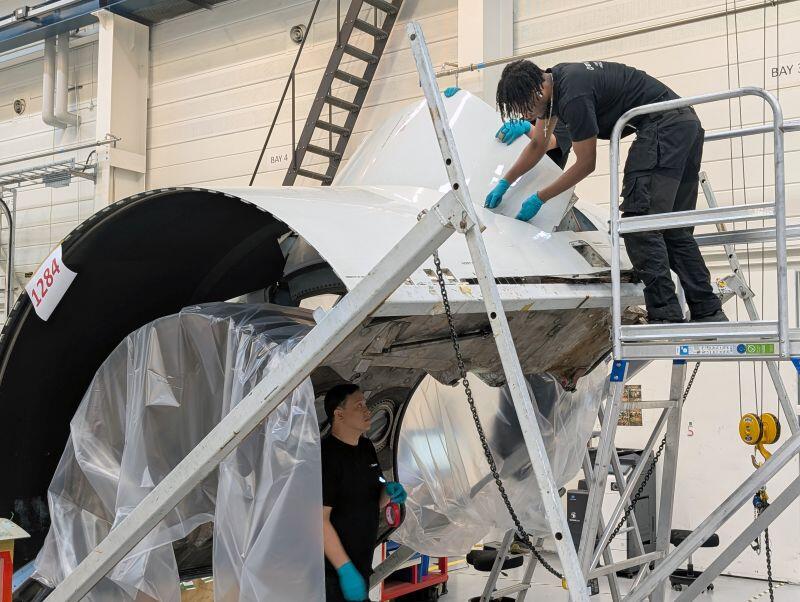
Beyond increasing physical capacity, Chamoun described the investment as part of a wider strategy that combines OEM manufacturing, licensed repair capability and traditional MRO services within a single organization. Since acquiring Middle River Aerostructure Systems in 2019, ST Engineering has expanded beyond independent nacelle maintenance to become an OEM manufacturer for several nacelle structures while also operating under licensing agreements with Collins Aerospace and Safran. He said this integrated model has become increasingly important as modern composite nacelles demand access to proprietary repair procedures, specialized tooling and OEM engineering data that are no longer readily available through conventional independent repair approaches.
Chamoun also highlighted continuing pressure across the aftermarket supply chain, particularly for CFM International Leap-1A-powered aircraft. Rather than waiting for parts availability to improve, he said ST Engineering has invested heavily in high-value structural assemblies and components with long lead times to reduce turnaround times and avoid aircraft remaining in maintenance while awaiting replacement structures. The company also tightly manages induction slots, only accepting work when material availability and repair planning have been secured in advance.
Chamoun said ST Engineering’s expanding global nacelle network now includes facilities in Baltimore, China, Singapore and Stockholm, with additional service centers under evaluation.
As airlines continue to prioritize asset availability, he believes future competitiveness in the nacelle aftermarket will increasingly depend on combining global repair capacity with OEM-backed technical capability, digital planning tools and proactive maintenance strategies designed to minimize downtime rather than simply restore damaged components.
On its regional service center strategy, ST Engineering confirmed it is developing a network of regional nacelle service centers to bring maintenance capability closer to airline customers and heavy maintenance locations. The company currently has operational service capability in Singapore and through joint ventures in Australia and the Americas, while further locations are planned but have not been disclosed. The company emphasized that the regional facilities are intended to complement rather than replace its full-capability MRO hubs, with major overhaul work remaining concentrated at those larger sites.
The strategy is partly driven by the size and logistics involved in moving nacelle components, particularly on widebody aircraft. ST Engineering established its Singapore nacelle operation alongside its airframe facility after customers sought local support rather than shipping nacelle components to another location. The regional network will be supported by the company's wider spare parts infrastructure and the technical expertise of its Stockholm operation, which has transferred engineering, tooling and workshop capability to the newer sites.
ST Engineering is also being selective about where it adds regional service center capacity, favoring locations where a facility can be anchored by a major airline customer rather than entering markets simply to add footprint.

Related Content