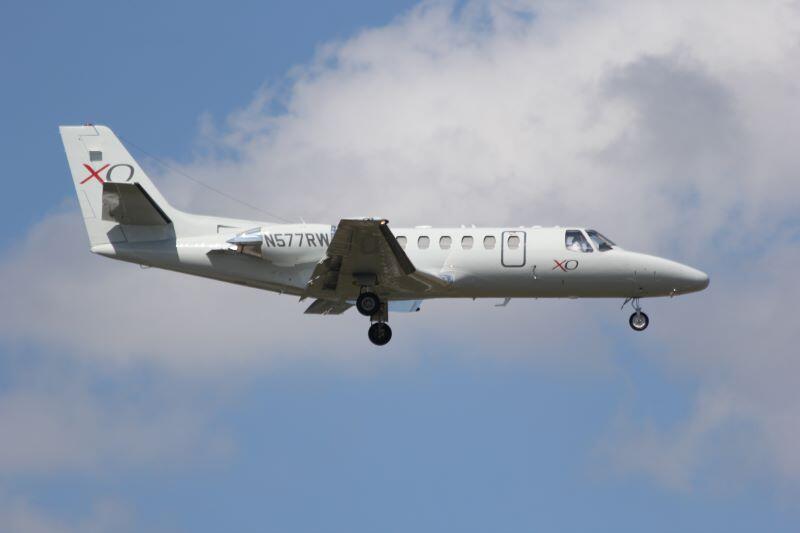
The FAA is rescinding exemptions that have allowed certain Cessna Citation business jets that normally require two pilots to operate with one single-pilot, citing “safety concerns” and “widespread noncompliance,” it said in a notice on Sept. 24.
Exemption holders are being notified that their exemptions are being rescinded.
The FAA began issuing exemptions in1984 saying there was no data showing a degradation of safety in certain Part 25-certified Citations. The exemptions would also give operators more operating flexibility and lower operating costs, it said.
Cessna Citation CE-500 aircraft are unique, the FAA notes, as some variants are certified under Part 23, including the CE-501 and CE-551, while others are certified under Part 25, including the CE-500, CE-550 and CE-560. Aircraft under Part 25 are type certified for two pilots. Part 23 CE-500 variants are required to be flown by two pilots unless the aircraft carries additional equipment on board.
The FAA also began granting exemptions to training providers allowing them to train and issue a logbook endorsement to allow single-pilot operations in CE-500 aircraft otherwise requiring a second pilot.
Aircraft that were covered by the exemption include the Citation and Citation I, Citation II, Citation S/II, the Navy T-47A, Citation V and Citation Ultra, Citation Bravo, Citation Encore and Citation Encore+.
An FAA review that began in 2024, however, found a range of noncompliance, such as incomplete records, improper checks by designated pilot examiners, falsified records and other practices. As a result, 13 of 14 exemption holders were denied extensions or had their exemptions rescinded.
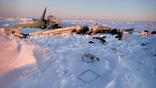
A review of accidents involving Part 25 CE-500 aircraft operated with one pilot also found that they are involved in about twice as many accidents when compared to Part 23 CE-500, CE510 and CE525 aircraft flown by a single pilot, the FAA said.
Awarding exemptions to training providers is also problematic as they have no ongoing involvement with the pilots operating as a single pilot, the FAA says. Thus, it says, the pilot exercising the relief is likely unaware when the exemption expires or is terminated.
The National Business Aviation Association and the Citation Jet Pilots (CJP) association responded, saying it supports the FAA’s responsibility to examine safety concerns and take action.
“At the same time, the FAA’s decision to rescind these exemptions in full, effective immediately upon publication in the Federal Register and without direct notice to affected operators, raises serious questions,” said Heidi Williams, NBAA senior vice president of operations.
Rob Balzano, CEO of CJP and the CJP Safety and Education Foundation, said the organization has submitted Freedom of Information Act requests for the data used by the FAA in its review.
“Our goal is to understand the facts and analysis behind the FAA’s actions so we can assess their impact on our members and respond constructively,” he said.
The organizations are urging the FAA to share its supporting safety analysis and communicate with the operators impacted to explain the basis for the immediate effective date.
“We are ready to work with the agency and the Citation community on a response that addresses documented risks, strengthens training and gives pilots clear, timely guidance," Williams said.
Textron Aviation says its aware of the FAA's notice, a spokesperson said in a statement.
“Textron Aviation supports the FAA’s commitment to aviation safety and stands ready and available to support customers," the statement said.
Editor's Note: This story has been updated with comments from NBAA and the CJP.

Related Content