Flight Friday: Widebodies Soar In 2025 As Utilization Patterns Shift
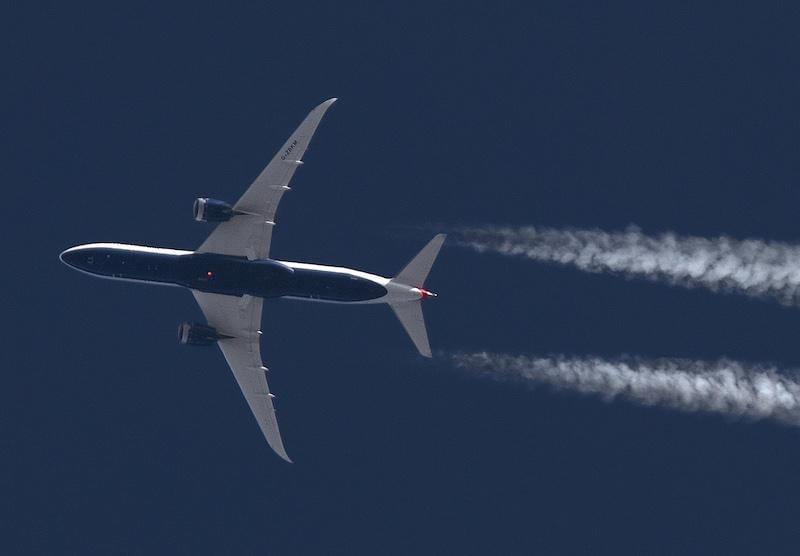
British Airways Boeing 787-9
Looking back, 2025 has been somewhat of a boon year for widebody aircraft. Boeing is the leader, having accumulated over 500 widebody orders so far this year, and Airbus has amassed over 250 orders.
Therefore, this week’s Flight Friday looks at how flights (cycles) for passenger variants of those types that are still in production, Airbus A330/A350 and Boeing’s 777/787, stack up over the last six years.
The data shows that overall, in November 2025, that the number of flights by these four groups is very similar to 2019, with less than a 2% difference.
However, back in 2019, the A330 accounted for more than 38% of the monthly flights, the 777 was almost 32%, the 787 almost 22% and the A350 with just 8% of the monthly flights. These figures are reflected by the makeup of the fleet at the time, as the A350 was still relatively new and the 787 was hitting its production stride.
Fast forward to 2025, and while the overall number is virtually the same, the composition of this utilization has shifted. The COVID pandemic led to the retirement of some of the old A330s and 777s, decreasing their overall in-service fleet count.
These aircraft were replaced, in part, with the A350 and the 787. The shift in the utilization split in favor of the 787, which now has the leading share at almost 30%.
The A330 has dropped to below 29%, with the slow A330neo output that has currently climbed to around 2.5 aircraft per month, which has led to a little over 130 aircraft being delivered since the beginning of 2020; however, almost 300 A330s have been retired in that same timeframe.
Similar to the A330, the 777 fleet has decreased, which has dialed back its split to a quarter, while the A350, with additional deliveries, has seen its market share double to over 16%.
This data was put together using Aviation Week’s Tracked Aircraft Utilization database.

Related Content