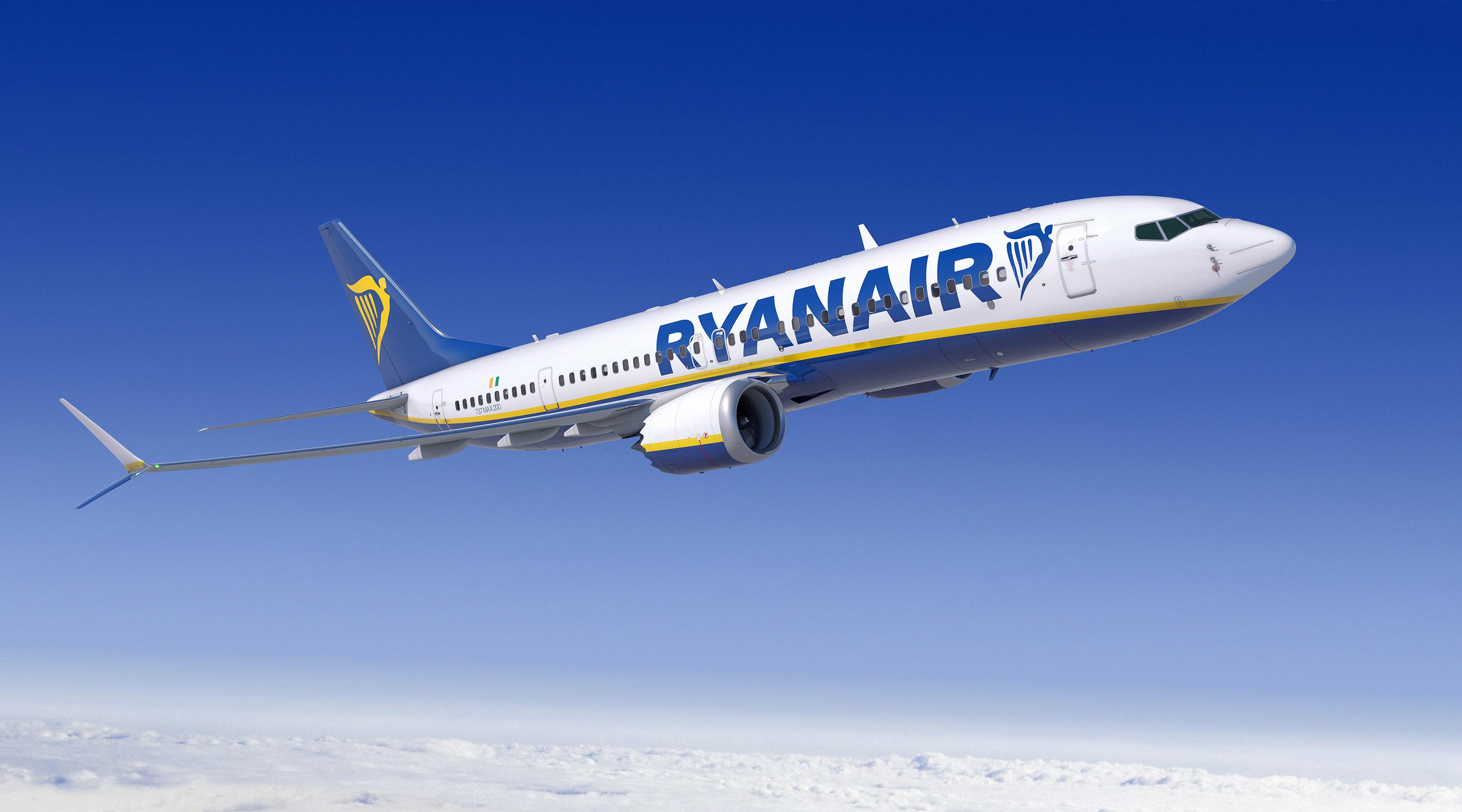
Ryanair Boeing 737-8-200
Prior to the start of the 2026 Farnborough International Airshow, CFM International announced that it had received certification for its high-pressure turbine (HPT) durability kit and initial certification for the reverse bleed system (RBS) fix on the Leap-1B engine; this week’s Flight Friday looks at the Leap-1B and the Boeing 737 MAX types it powers.
Using average monthly flight cycles, it should come as little surprise that the MAX 8200 operates the highest number of monthly cycles. The 8200 is, almost exclusively, designed for the LCC market, 85% of which are operated by the Ryanair Group, with the remaining by Allegiant and Akasa Air.
The LCC model relies on quick turnaround times and many daily cycles. During the northern hemisphere summer, average monthly cycles of 150 per aircraft are common.
MAX 8s and MAX 9s are more mainstays of legacy airlines. The MAX 8 averages 100+ cycles per month, with more consistent year-round usage. The MAX 9 is often used on slightly longer trunk routes, leading to fewer monthly averages on under 100 cycles per month.
MAX 9 utilization took a hit in January 2024 as a result or the Alaska Airlines door plug incident.
As these MAX aircraft now start hitting their heavy maintenance check periods, the utilization will be blended throughout the whole fleet.
This data was put together using Aviation Week’s Tracked Aircraft Utilization database.

Related Content