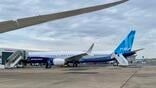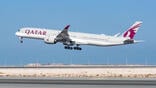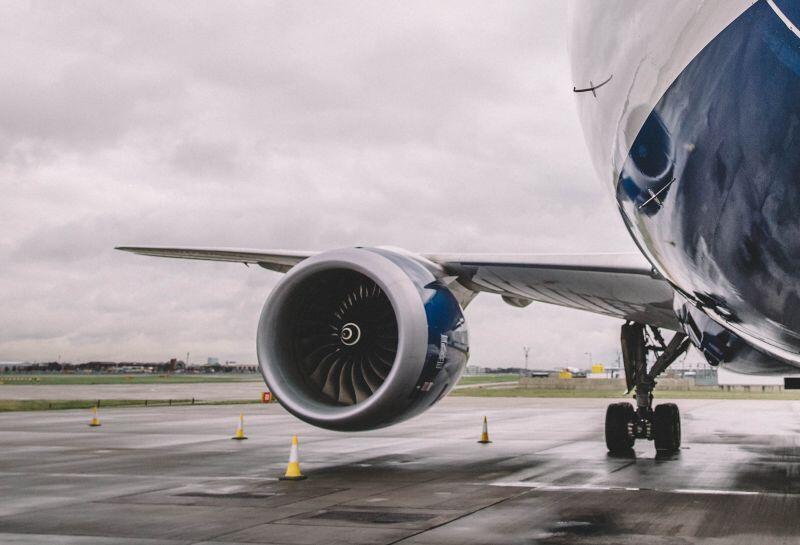
As Boeing surpassed the 1,300 787 delivery mark during August 2026, this week’s Flight Friday looks at the 787 and its associated engines.
Fifteen years after the first Rolls-Royce Trent-powered aircraft, Boeing has gone on to deliver 430 Rolls-powered 787s. Today, almost 420 are still in service, with some additional aircraft in storage. The Trent-powered fleet averages approximately 50-55 flight cycles per month.
Northern Hemisphere summer 2023 saw the average cycles touch 60, but the number has lowered a little recently.
The average stage length for the Trent-powered aircraft is approximately 7.3 hours per cycle.
The GE Aerospace GenX-powered 787 fleet, with almost 875 deliveries and with first delivery occurring in March 2012, is operating an average monthly cycle rate that is a little higher than the Rolls-powered aircraft. With monthly averages in the 55-60 cycles per month range, these aircraft are flying more. However, the average stage length on the GenX fleet is a little lower at around 7 hours per flight. GenX aircraft fly more frequently, but on slightly shorter routes.
With almost 1,200 787s on order, eventually the 787 delivered fleet will surpass the 2,500 mark, which will make the 787 "Dreamliner" one of the most delivered widebody aircraft ever.
This data was put together using Aviation Week’s Tracked Aircraft Utilization database.

Related Content