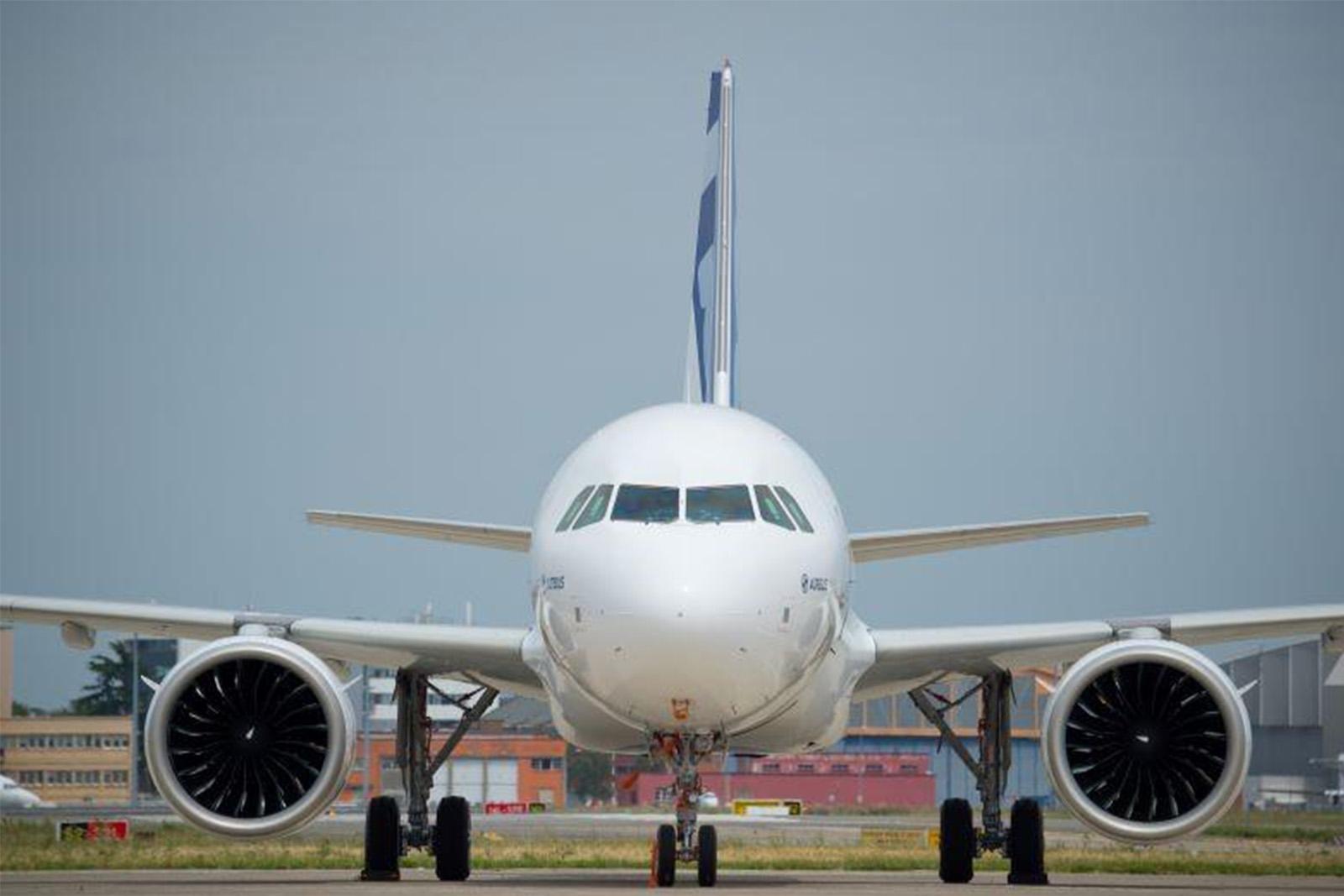
Pratt & Whitney is projecting high-single-digit commercial aftermarket growth in 2026, bolstered by strength in several areas.
Upticks in volume within Pratt’s biggest large-engine programs, the PW1000G geared turbofan (GTF) and the IAE V2500, will drive the engine-maker’s MRO business this year.
GTF business is growing steadily as the fleet matures and engines undergo expected shop visits on top of unscheduled work driven by durability issues and the contaminated powder metal inspection program.
V2500 demand remains strong and should at least match 2025 levels.
“We talked last year about doing 800 or so [V2500] shop visits,” Neil Mitchill, chief financial officer of Pratt parent RTX, said on a recent earnings call. “We probably did a little bit more than that. I think for 2026, we’re expecting it to be more or less the same, probably within 20 shop visits of 2025.”
Pratt & Whitney Canada is also expected to see increased MRO volume, he said.
Among large engines, the expected areas of contractions are in PW2000s and PW4000s. Overhaul demand for the venerable powerplants is expected to soften as retirements of Boeing 757s and older 777s accelerate, Mitchill said. Even a slight decline in overhauls is likely to be felt given the amount of material that goes into shop visits on older engines.
“Those are expensive overhauls, and we’re seeing a little bit of headwind there, probably about $100 million for 2026, all things that we saw coming and we planned aligned with our customer’s fleet plan,” Mitchill said.
Within the PW1000G fleet management plan, groundings continue to fall as overhauls ramp up. Pratt said MRO output, defined as completed engine overhauls, was up 39% in the fourth quarter and 26% for the year. In-shop turn times were down 16%, the company said.
While the company is making progress, the multi-year effort to rid the fleet of reduced life-limit parts is far from over. Pratt still is not producing enough full-life parts to cover MRO shop needs.
While all new engines are being shipped with full-life parts, some in-service units are being returned to the fleet with contaminated parts, including high-pressure turbine disks and hubs, targeted for inspection and life-limit reductions.
Pratt has declined to project when it will be producing enough full-life parts to replace all material flagged by the company and covered by mandatory inspection orders.
The latest Aviation Week Fleet Discovery database figures show that about 650 Pratt-powered Airbus A320neos have been parked for at least 30 days. While most are awaiting engines undergoing overhauls, some are idled for unrelated reasons.
Another 110 A220s and Embraer E195-E2-series aircraft are grounded—many, but not all, due to the powder metal issue. Embraer Commercial CEO Arjan Meijer is confident that the remaining handful of E2s on the ground due to the issue will soon be back in service.

Related Content