This article is published in Aviation Week MRO part of Aviation Week Intelligence Network (AWIN), and is complimentary through Feb 23, 2026. For information on becoming an AWIN Member to access more content like this, click here.
More than 150 Pratt & Whitney geared turbofan (GTF)-powered aircraft will return to service in 2026, according to lessor Avolon.
While the Dublin-based leasing specialist noted that aircraft groundings have “stubbornly persisted” since 2024 and are expected to continue until at least 2028, the number of stored aircraft this year is projected to fall after Pratt’s efforts to resolve its powdered metal issue. The engine maker has increased shop capacity and boosted spare engine output in its attempts to mitigate the effect on customers.
This view, outlined in Avalon’s latest forecast, aligns with reports from several airlines that they have passed the peak of their GTF-related groundings.
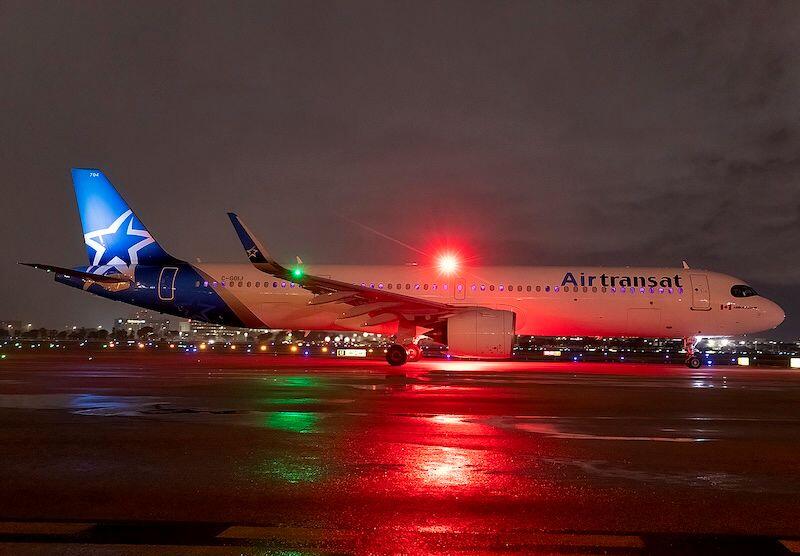
“The situation is expected to keep improving, with the number of grounded aircraft projected to range between three and five during 2026, and full resolution anticipated by the end of 2027 or early 2028,” said Annick Guérard, president and CEO of Air Transat, on its latest earnings call.
Meanwhile, one of the world’s largest GTF operators, Wizz Air, aims to have all its GTF-powered aircraft back in service by the end of 2027.
Avolon also highlighted that the price of OEM shop visits and spare parts are rising well above inflation, helping to drive outsized shareholder returns for “services-oriented business models with locked-in customer bases.”
The best example of this is Rolls-Royce, whose share price outperformed that of the world’s most valuable company, Nvidia, over the past three years, rising more than 1,000%.
Through 2025, meanwhile, GE Aerospace’s share price rose 83% and Safran—GE’s partner on CFM programs—increased 43%.
For 2026, GE Aerospace’s operating profit is forecast to be around $10 billion, which the OEM had not previously expected to reach until 2028.
In the final quarter of 2025, GE’s aftermarket sales climbed 31%, while aftermarket orders were up 27% for the full year.