Fast 5: Leki Aviation Invests In Asia, Artificial Intelligence
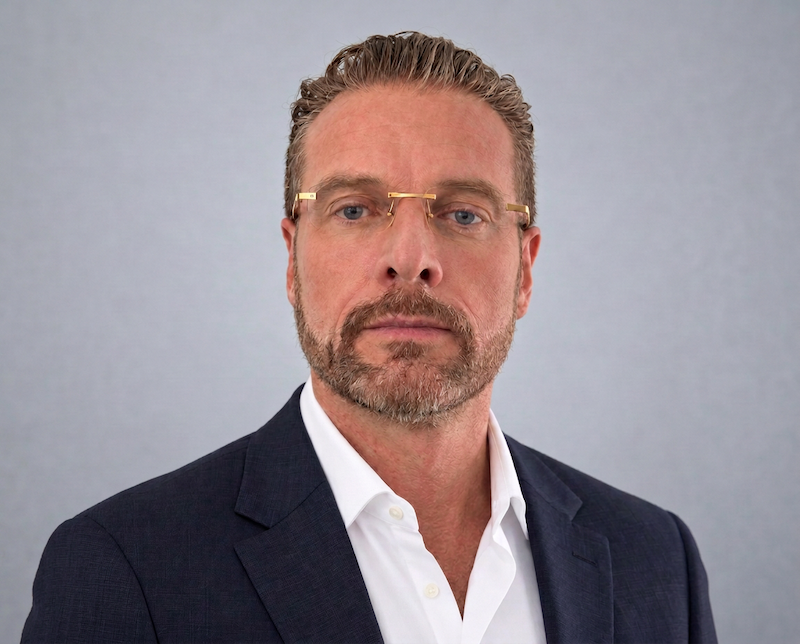
Leki Aviation COO Peter Kjeldsen.
On the heels of Leki Aviation’s recent growth in the Asia-Pacific region, Chief Operating Officer Peter Kjeldsen speaks with Aviation Week about what is driving its new investments and how the company is navigating ongoing supply chain and workforce challenges.
Leki Aviation opened a new warehouse in Singapore last month and its sister company, Leki Tech, added repair capability for Elektro-Metall Airbus A320 and A350 actuators at its new facility there. What drove these expansions in the Asia-Pacific region?
It’s an extension of what we have set up here in the U.S. There’s a gap in the market in terms of the repairs that are being conducted for [Elektro-Metall actuators], so we saw there was an opportunity to bring the quality and the standard of the repairs that were done from that manufacturer.
We are also the distributor of their products, and we saw there was a logical add-on for also being able to repair the products in-house, so we set that vision up over here in the U.S., adhering to the component maintenance manuals and [aiming to improve] the quality and reduce the shop processing time. It’s been working out tremendously.
We are seeing that the product is performing way better than it ever has. We have now taken that concept and brought it to Asia with the same vision of having the distribution and repair capabilities combined. I expect the same [results] based on the market analysis that we have done for the APAC region—that we’re also going to see a good uptake in the business for these kinds of repairs out there.
Supply chain and geopolitical headaches are creating significant cost pressures for airlines. What strategies is Leki Aviation deploying to help reduce these pressures for its customers?
In aviation, there’s always something going on. I think what situations like this really do is emphasize the value that distributors bring to the market. During circumstances like this, airlines’ operating expenses are going through the roof because of the fuel prices, so now you will see some of the airlines having greater dependency on distributors. We pre-invest in the inventory and we keep it on our shelves.
We have the capital tie-up here, so the airlines don’t have to carry that on the balance sheet. We are then working with our manufacturers to make sure that we adhere to the delivery times that they have. We then adjust our inventory levels so we can meet whatever their manufacturing process and lead times are. We function as the buffer in between holding that inventory and making sure that the supply chain we are in control of is working as smoothly as possible.
We’re seeing recent developments in new technologies focused on streamlining inventory decisions and improving parts traceability. How is Leki Aviation approaching the use of technology in its business?
We are using a lot of technologies. Going through COVID-19, we saw there were huge upsides in having things automated. Everything that we have in terms of enterprise resource planning processes and back-end processes is all automated. We have already implemented some initiatives on the artificial intelligence (AI) side for some of the more complex tasks, and we are looking forward to implementing even more AI into the entire setup.
Inventory planning is also automated. We have a system that calculates inventory levels based on the draw that we have and calculates manufacturer lead times, so we continuously replenish inventory levels in real time.
The MRO technician workforce shortage is a well-publicized problem at this point, but I’ve heard from some parts specialists that they are having difficulty finding enough staff to support warehouse operations. Does Leki Aviation see any challenges in finding and retaining qualified workforce, and if so, what strategies are you using to mitigate that?
We are actively looking for more people right now, so I share the same sentiment as my colleagues in the industry. There are people out there, but it can be difficult to find individuals with certain skill sets. When we hire, we’re not necessarily looking for the technical skills.
We feel that we have a good, solid setup to onboard people and teach them the technical skills required for aviation. It’s more about finding the right mindset to adapt to the organization. But it seems to be a global challenge to find really qualified talent.
What do you see as the biggest challenge for the aftermarket right now?
It’s the fuel prices right now. It’s the one common denominator impacting everyone in the industry. With higher fuel prices, there are higher ticket prices, and potentially some of the airlines are reducing some of the nonprofitable flights, which could result in fewer parts. We are eagerly waiting for it to calm down eventually to a normal, acceptable level.

Related Content