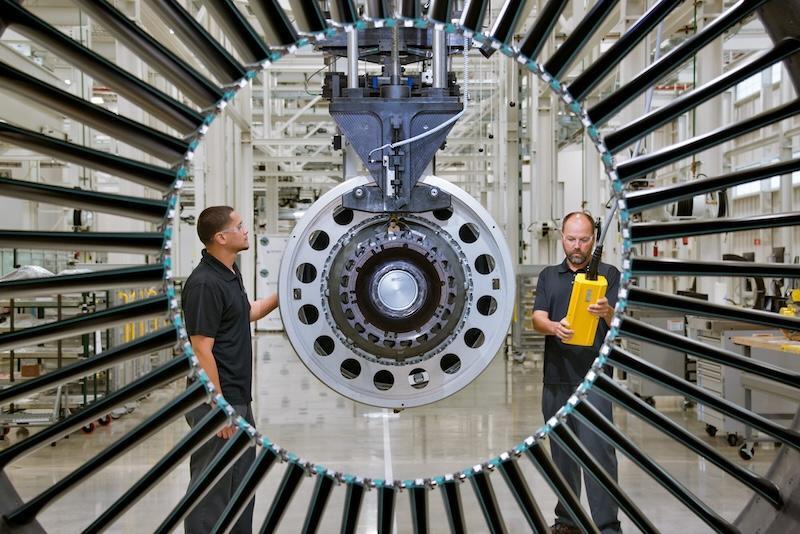
North America: Delta TechOps To Grow GTF Capacity
Widebody and narrowbody engine manufacturers are expanding facilities, whether by adding external shops to their MRO networks or growing their internal capacity volumes. In the North American widebody segment, Pratt & Whitney has been building up its geared turbofan (GTF) aftermarket network. This coincides with the engine-maker's unveiling of updates to the GTF's hot section, which can be retrofitted onto existing engines for better durability, and the new Advantage engine, an upgraded version of the PW1100G. In April, Delta TechOps announced plans to expand capacity at its designated GTF shop in Atlanta, which opened in 2023. The MRO provider aims to expand its overhaul volumes for the PW1500, which powers the Airbus A220. Delta TechOps intends to ramp up to more than 450 engines per year over the next decade, a more than 30% increase. The company also maintains the PW1100 engine, which powers parent company Delta Air Lines’ Airbus A320neo fleet.
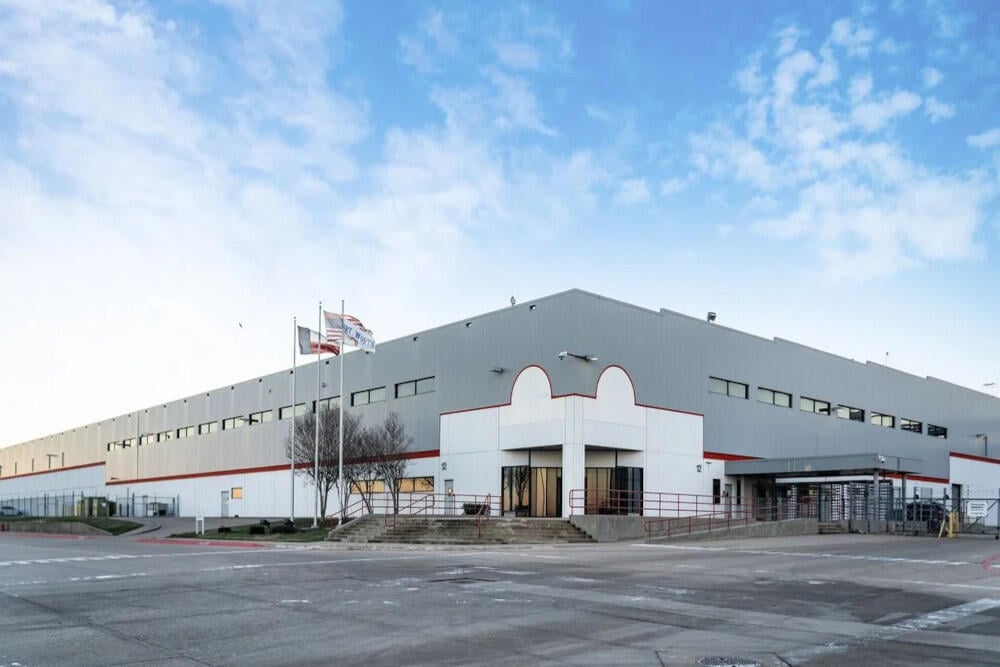
North America: MROs Press Ahead With Leap Growth Plans
The aftermarket for CFM International's Leap engine, which will have the highest number of in-service models by 2028, continues to increase at pace in North America. StandardAero, one of the five inaugural members of the Leap Premier MRO network launched last year, plans to accelerate Leap-1A and -1B shop visit throughput capacity to 2029 at its designated Leap facility in San Antonio. In May, the company announced plans to introduce short-term leasing services on the two Leap engines for operators undergoing shop visits. MTU Maintenance Dallas, which is to rebrand as MTU Maintenance Fort Worth later this year, joined the Leap Premier MRO network this year as its sixth member. Shortly after, the provider announced a $120 million investment to modernize the facility for servicing Leap and GE Aerospace GEnx engines at the full overhaul and testing capability level.
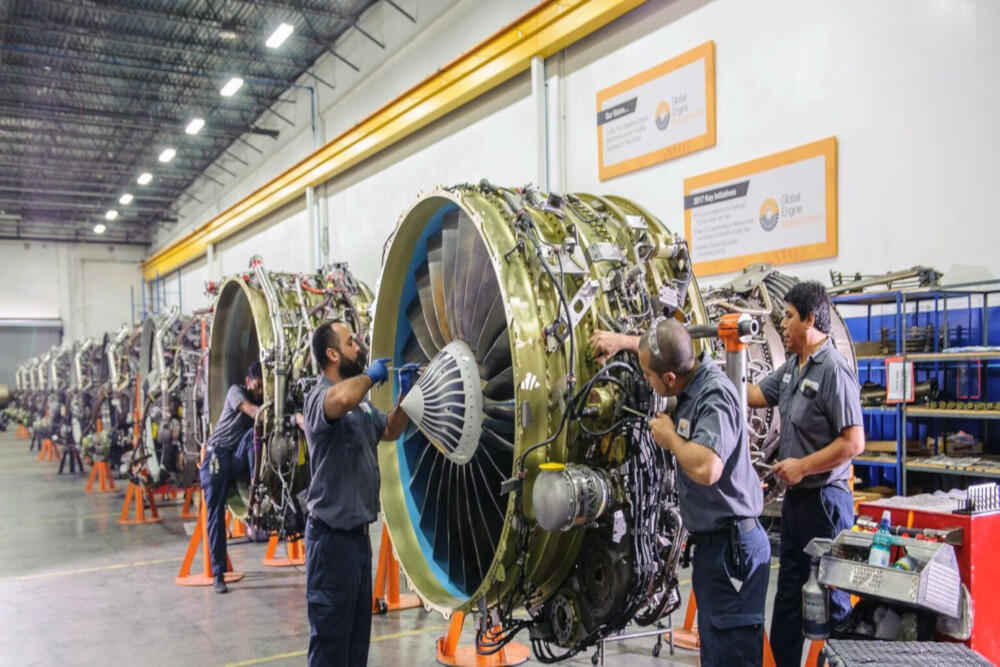
North America: Willis, GEM Target More Regional CFM56 Engine Testing Capacity
MRO providers are also ramping up test capabilities for engines. Lessor Willis Lease Finance Corp., which has sought to grow its aftermarket footprint through its Willis Aviation Services division, has agreed to form a joint venture with Florida-based Global Engine Maintenance. The partnership will operate as Willis Global Engine Testing at a new designated engine test cell facility in West Palm Beach, Florida. Construction is expected to begin later this year. The facility will initially focus on testing CFM International CFM56-5B and -7B variants, but plans to accommodate newer engines types in the future. At MRO Americas in April, both parties described to Inside MRO the lack of test capacity in North America, which limits the efficient return of engines to service, as a factor in setting up the joint venture.
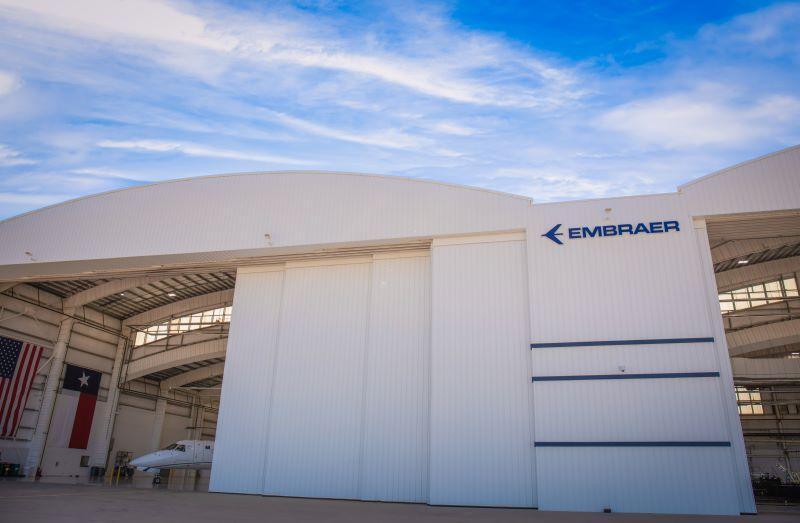
North America: Embraer Adds MRO Network Capacity
Embraer opened a new MRO facility in June in Fort Worth as part of an effort to grow its U.S. maintenance capacity by approximately 53%. The Brazilian airframer has invested $70 million in the facility, which is the 13th owned service center in its network, to help meet a backlog of demand in its services business as the global Embraer fleet continues expanding. Around 250 jobs are expected to be created at the site at Perot Field Fort Worth Alliance Airport.
Europe: New Additions To The GTF Network
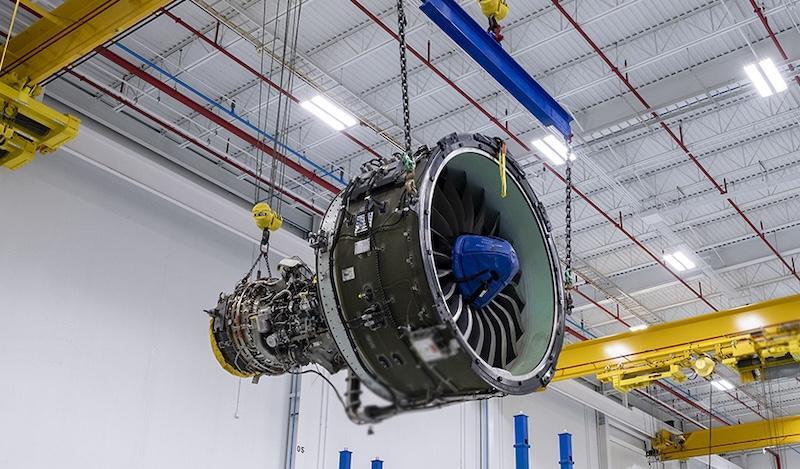
Much of Europe's engine aftermarket activity this year has focused so far on Pratt & Whitney's geared turbofan (GTF). Coinciding with the Paris Air Show, Pratt announced Spain-based ITP Aero would have the 21st shop in the GTF aftermarket network. ITP plans to build a new designated engine facility near Madrid, where it mostly undertakes noncommercial aerospace engine maintenance. The shop, which is expected to start work in early 2027, will service PW1500G engines for Airbus A220s and PW1900Gs for Embraer E-Jets E2s, with full overhaul services and backshop repairs on some components. ITP already has some exposure to the GTF as a risk- and revenue-sharing partner and manufactures some critical parts, including the mid-turbine frame and integrally bladed rotors made of nickel for high-pressure compressor components. The MRO expects to invest around €100 million ($115 million) over the next 4-5 years, starting in the second half of 2025. “This will mainly be on specialized equipment that comes with the GTF program, specialist tooling and duplicate equipment in our facility to add the right capacity, and then work on our testbed strategy and build that out,” says Alan Jones, executive vice president of ITP Aero’s MRO business. By 2033, the company expects annual engine inductions to reach a peak above 120 per year.
Europe: Rolls-Royce Seeks Capacity In Both Internal and External Networks
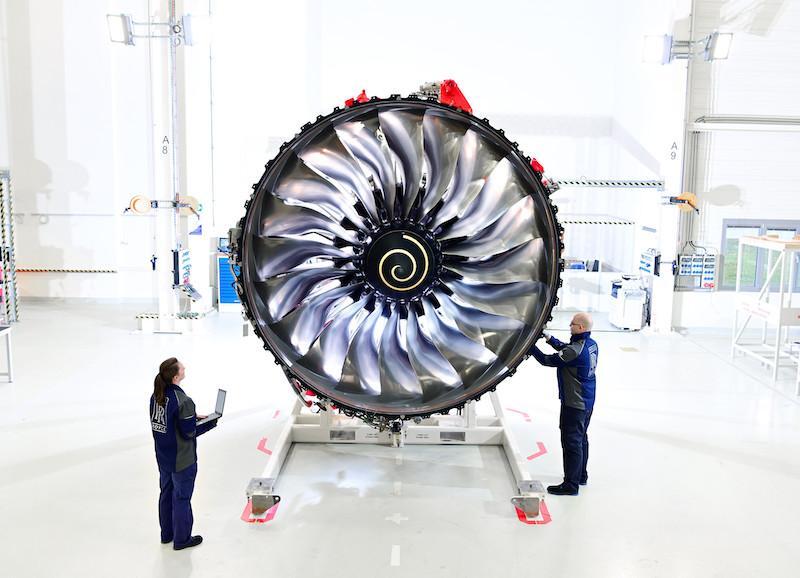
Rolls-Royce is seeking additional capacity for its aftermarket network as MRO demand in the widebody engine segment continues to rebound. The company is investing more than £55 million ($70 million) into expanding assembly, test and shop visit capacity at its home base in Derby, England, and in Dahlewitz, Germany, where it resumed commercial engine maintenance at the end of 2024 after inducting its first Trent 1000 engine at the facility. In May, the engine-maker signed a deal to add Turkish Technic to its aftermarket and set up a maintenance center at Istanbul Airport. The facility is to ramp up to full capability to service Rolls' Trent XWB-84 and -97 engines, which power the Airbus A350, as well as the Trent 7000 for the A330neo. Once operational at the end of 2027, Turkish Technic predicts the center will eventually have the capacity for up to 200 total shop visits per year. In Europe, the engine-maker is also expanding capacity at its joint venture with Lufthansa Technik, N3 Engine Overhaul Services, increasing annual output to 250 engines from 160 over the next few years in Arnstadt, Germany.
Europe: Airlines Look To Capacity, Insourcing
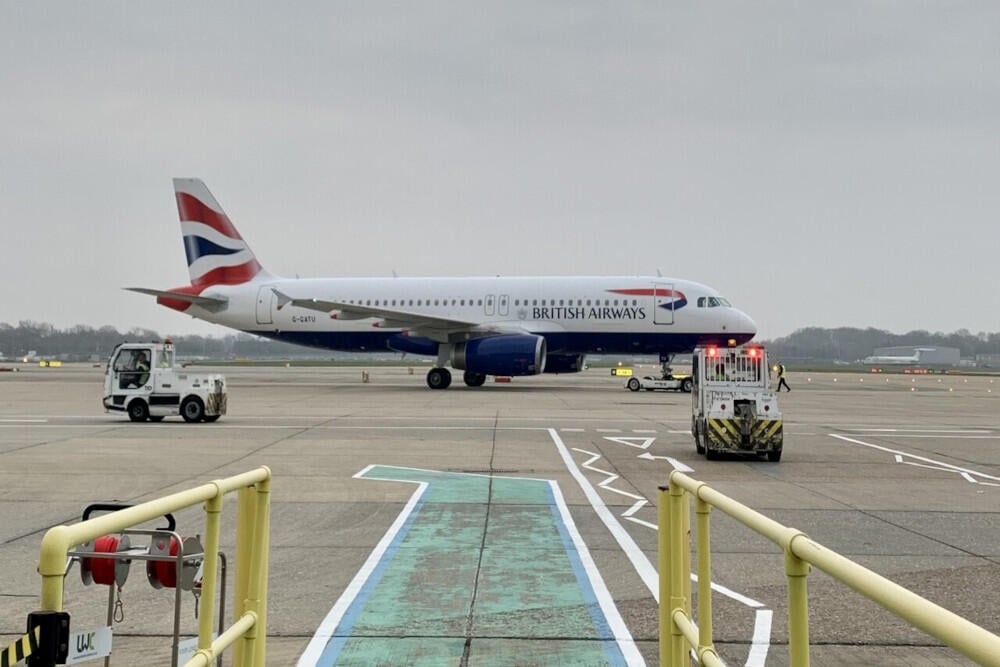
Base maintenance slots are at a premium in Europe. The 2025-26 winter period is already booked out, as is 2026-27, with many MROs reporting that airlines are booking further in advance. While demand for outsourcing to third parties is not expected to diminish, some carriers are looking to bring further capacity online to in-house certain services. Among these are British Airways, which undertakes no third-party maintenance but has an extensive base maintenance operation across the UK. The carrier added further capacity to its own network in February by acquiring Boeing Global Services' London Gatwick Airport facility. British Airways said this has allowed it to conduct minor maintenance on Boeing 777 aircraft while in-housing some scheduled heavy maintenance work on its Airbus A320/321 fleet. Additionally, the carrier plans to enhance its capacity to undertake unscheduled repairs. British Airways currently operates more than 120 A320/321s in both the Ceo and Neo variants. Air Serbia is also planning to in-house more maintenance and nearing a decision on building its own MRO hangar in Belgrade.

Europe: Ryanair Sets Out Bold Engine MRO Plan
Ryanair is another carrier looking to grow its maintenance capacity. The Irish low-cost carrier estimates it conducts 75% of its aircraft checks in-house versus 25% outsourced. Ryanair has multiple heavy maintenance locations and partners in Europe as well as in the Middle East, where Joramco undertakes around 10 lines of maintenance for the carrier in Amman, Jordan. As a bolder part of its maintenance strategy, Ryanair is going against the grain by bringing heavy engine shop work in-house, including potentially building two engine facilities for its CFM International CFM56 and ever-growing Leap engine fleets. The carrier said a decision could be due soon on the two locations for the engine shops, which will turn around upward of 200 engines annually per facility when operational sometime in the next 5-10 years.
Europe: EME Adds GTF Test Cell Capacity In Poland
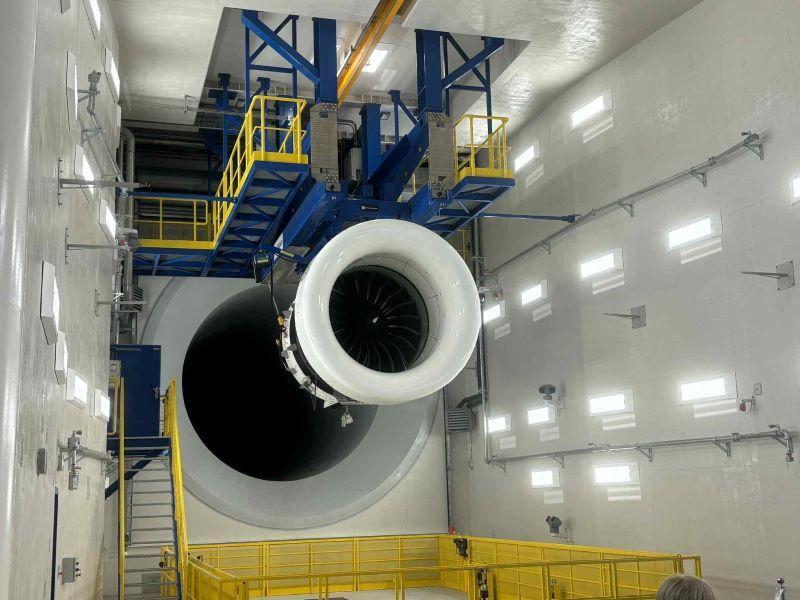
This summer, EME Aero—the Lufthansa Technik-MTU Aero Engines Pratt & Whitney geared turbofan repair joint venture—brought a second test cell online at its facility in Jasionka near Rzeszow in southeastern Poland. The second chambers mirrors the first test cell and has a 60,000-lb.-thrust capacity. EME Aero plans to ramp up to 500 annual inductions by 2028 of PW1100G, PW1500G and PW1900G variants.
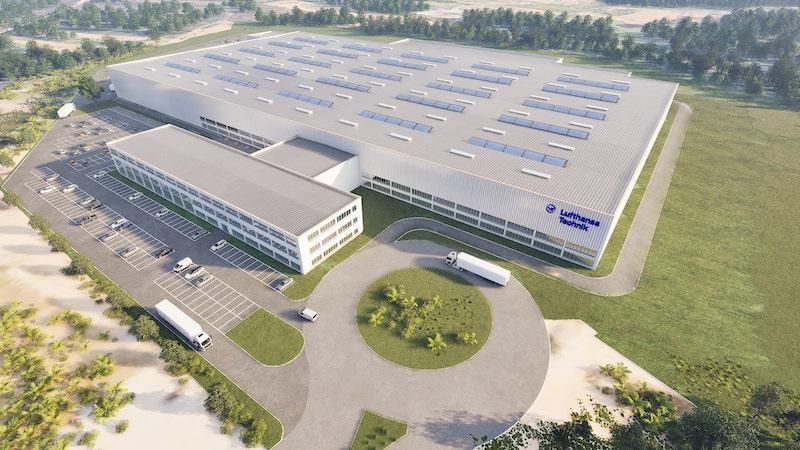
Europe: Lufthansa Technik To Set Up Parts MRO Shop In Portugal
Constrained parts repair capacity has affected the aftermarket in certain regions, including Europe. Lufthansa Technik, among the world’s biggest MRO providers, is looking to grow its component maintenance capacity in the region. The company in December 2024 announced plans to set up a facility in Portugal by the end of 2027. The roughly 580,000 ft.2 facility will be located roughly 21 mi. south of Porto, and is expected to employ around 700 staff. To support the capacity growth with skills, Lufthansa Technik plans to set up a training center this year near the new facility.

Middle East: Etihad Engineering Leads Middle East MRO Expansion Charge
Etihad Engineering is undertaking a large capacity expansion in Abu Dhabi as part of a broader plan for more than doubling revenues by 2030. The maintenance provider’s business is a 70:30 split between third-party work and Etihad Airways fleet maintenance. Etihad Engineering, which Abu Dhabi Aviation acquired last year, says market MRO demand and Etihad Airways fleet expansion plans are contributing factors in its capacity and capability expansion goals. Two new hangars are set to come online this year. The first is Hangar 7, which houses Boeing 777-300ER passenger-to-freighter conversion work in partnership with Israel Aerospace Industries. The second, 6D, will expand upon Etihad Engineering's existing Airbus A380 hangar capacity this summer. Tentative plans are also in the design stage for adding a further hangar to accommodate up to five widebodies by 2028. Last year, Etihad Engineering also purchased an A380-capable hangar from Abu Dhabi state fund Mubadala, and has since leased it to Etihad Airways for line maintenance. The hangar can accommodate one widebody or several narrowbodies and will be incorporated into the MRO provider’s capacity in 2027.
Middle East: Saudi Aviation Goals Extend To MRO
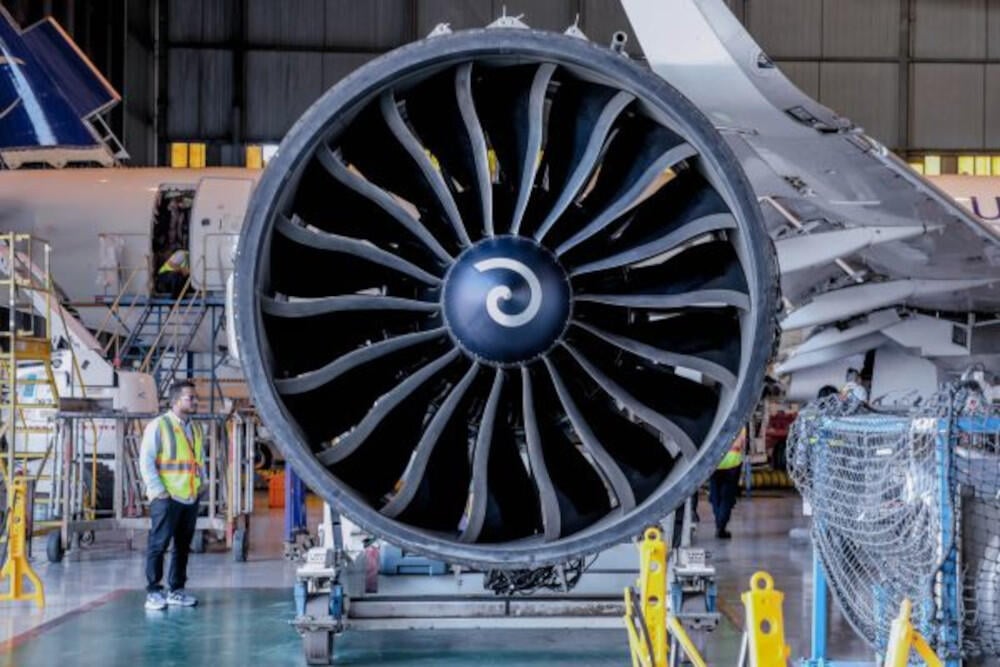
Ever since Saudi Arabia's Public Investment Fund announced its investment into Saudia Technic at the end of 2023, the company has gradually looked to add capability to its growing maintenance hub in Jeddah. Construction of a designated "MRO Village," expected to have 10.7 million ft.2 capacity, is underway at the city's King Abdulaziz International Airport. The site is to include an engine maintenance center and an engine test cell that is expected eventually to service both narrowbody and widebody engine types. Saudia Technic has also begun exploring a joint venture with Air France KLM Engineering & Maintenance targeting MRO on the GE Aerospace GEnx engine, which powers Boeing 787 aircraft.
Middle East: Airlines Add Capacity As Fleets Expand
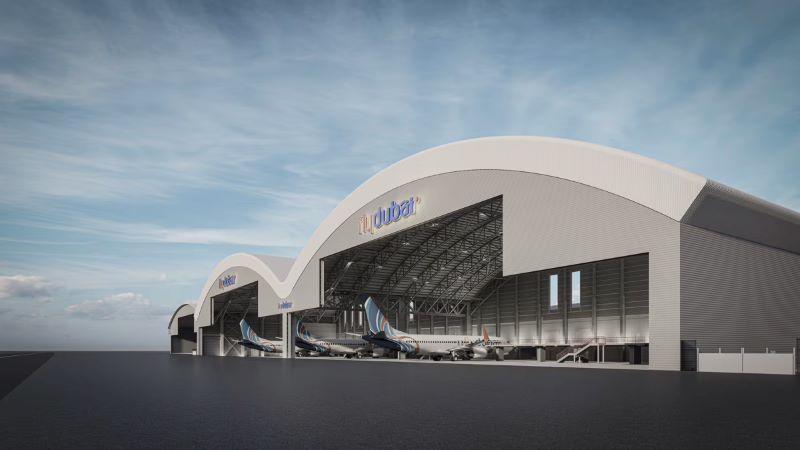
Aviation Week Network’s Fleet & MRO Forecast is projecting fleet growth in the Middle East at a 7% compound annual growth rate over the next decade. Fleet expansion and competition for maintenance slots have led carriers such as Flydubai to in-house some services and add internal MRO capacity. The airline broke ground in July on a new hangar at Dubai South, seeking to increase control over its maintenance and generate quicker turnaround times on its Boeing 737 fleet. The hangar will have capabilities to conduct line maintenance and technical services as well as materials and workshops for specialist repairs. Flydubai first announced plans to invest $190 million in the 350,000 ft.2 hangar in November 2023, and expects construction to be complete in the fourth quarter of 2026. The airline expects to receive more than 120 Boeing 737-8 and -9 aircraft over the next decade.
Flydubai’s move to insource some maintenance follows a trend. Carriers that traditionally outsource services are taking some MRO functions in-house amid supply chain constraints and low slot availability. These include Gulf Air, which plans to build a new maintenance facility at Bahrain International Airport, with the site expected to be operational 18-24 months from the start of construction. The airline said it is looking to in-house further MRO services, and the hangar, once built, will be able to accommodate one widebody and one narrowbody simultaneously, or three narrowbodies at the same time.
Middle East: Room For New Engine Entrants?
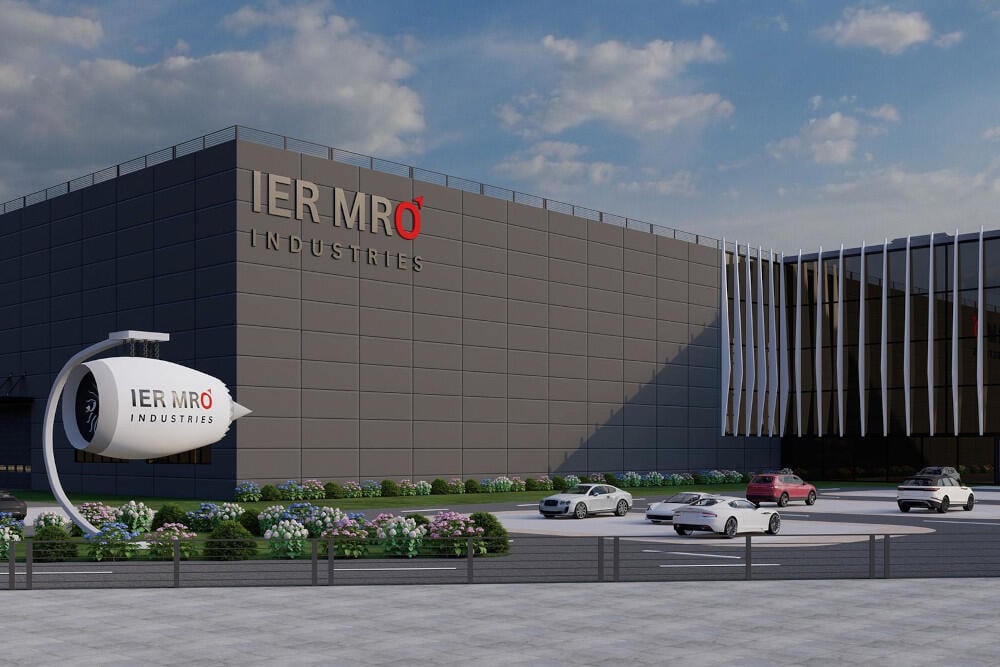
While the Middle East has an abundance of airframe maintenance providers, the region is still relatively lacking in engine specialists. This leaves room for new entrants to operate in a market that accounts for 51% of the region’s overall MRO spend this year. IER MRO Industries, the maintenance business of industrial gas turbine specialist International Energy Resources, is looking to break ground this summer on its planned commercial engine overhaul and testing facility in Dubai, which will focus on narrowbody engine maintenance. The preliminary designs for the facility have been completed and approved for the 1.3 million-ft.2 facility planned for Dubai South. The company hopes to have the test facility ready by the end of 2027, with the MRO to follow in the first quarter of 2028. IER MRO Industries intends to focus initially on CFM International CFM56-7B engines and eventually plans to add Leap-1A and -1B and International Aero Engines V2500 repair capability.
Asia-Pacific: Maintenance Slots At A Premium For Operators
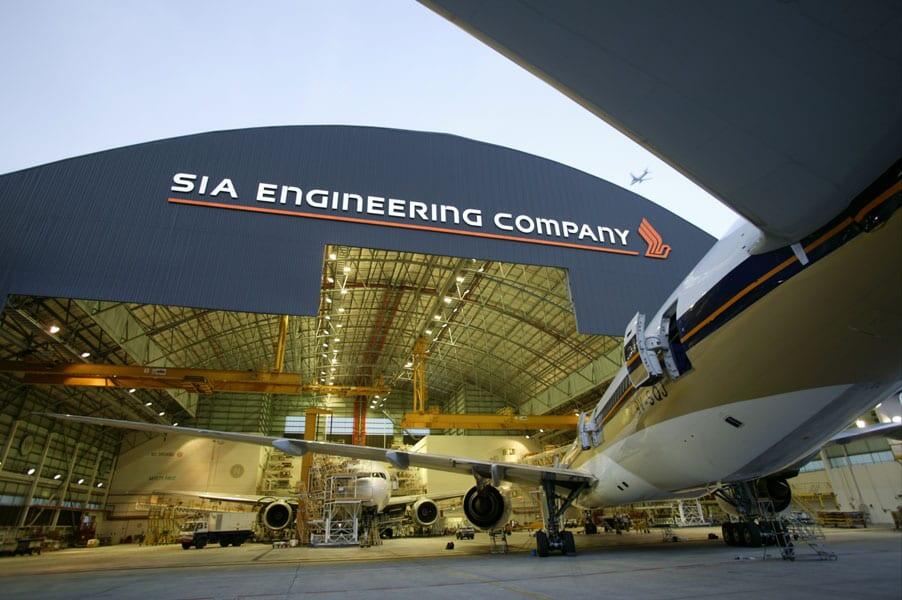
Fleet expansions, the resulting MRO demand and other factors have tightened market capacity in the Asia-Pacific region, and the industry is still getting to grips with this environment. Aircraft are operating longer than expected because of delivery delays and technical challenges, necessitating heavier maintenance, while MROs face an overhang of deferred work, workforce shortages and supply chain challenges affecting turnaround times. Maintenance slots are at a premium as a result, leading to a surge in hangar expansions across the region.
Asia-Pacific: Overseas Investment In The Region
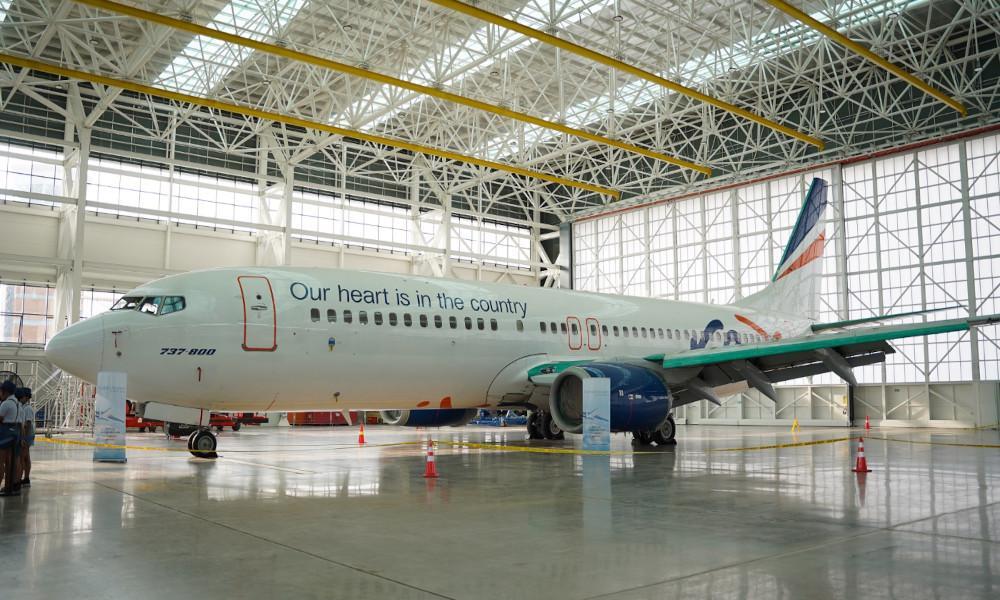
Lithuanian aftermarket provider FL Technics is one maintenance company that has upped investment into the Asia-Pacific region. The company has a nearly 10-year presence in Jakarta, Indonesia, and increased its footprint in the country last year by setting up a base maintenance facility in Bali. The six-bay hangar, operated by the FL Technics Indonesia subsidiary, has a volume of 183,000 ft.3 and focuses on Boeing 737 and Airbus A320 repairs.
Asia-Pacific: Large-Scale Airframe Hangar Projects In-Region
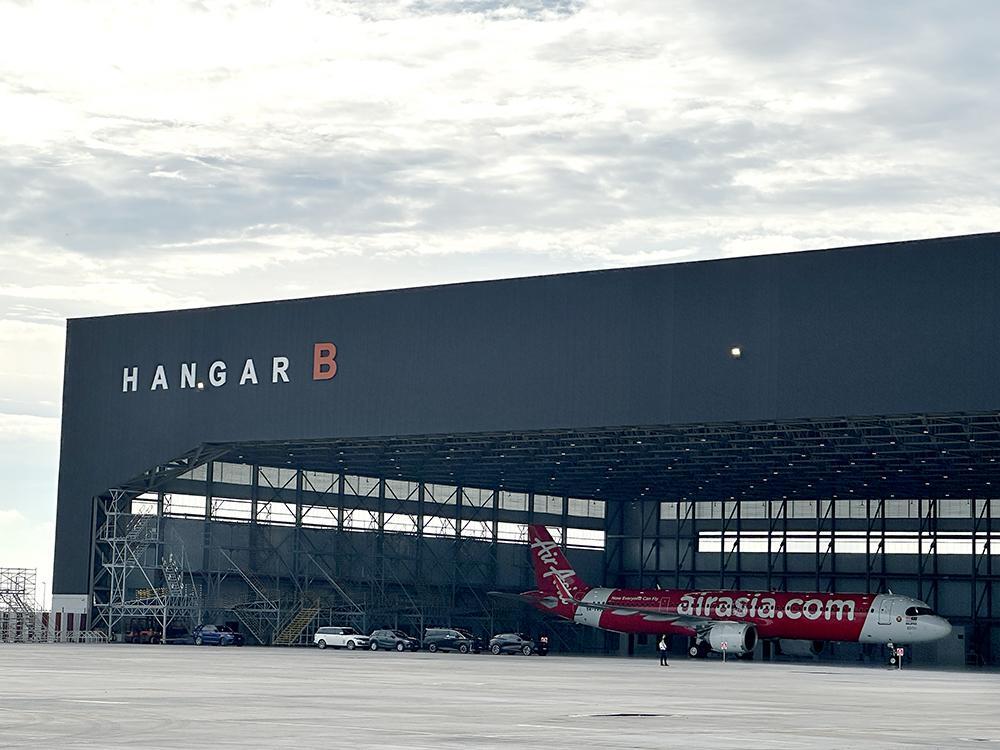
Singapore-based ST Engineering, one of the region’s biggest aftermarket players, has been on the front foot in growing its hangar space. The maintenance specialist has been expanding its hangar presence in Singapore and at its U.S. operation in Pensacola, Florida, as well as opening a third airframe facility in China through a joint venture with SF Airlines. More expansion activity is on the way: ST Engineering plans to add more base maintenance in Singapore by 2026 with a four-bay widebody facility. The company is predicting strong demand for CFM International Leap engine work over the next decade, and accordingly is increasing its engine maintenance capacity in Singapore by one-third. Malaysia-based Asia Digital Engineering (ADE) has also expanded its capacity by opening a 14-bay hangar in Kuala Lumpur in September 2024. However, the MRO considers this insufficient given the forecasted demand, and plans to build another hangar nearby.
The expected surge in new generation aircraft and engines, along with the extended lives of existing models, are factors driving hangar expansions worldwide.