ZURZACH, Switzerland—SR Technics plans to induct its first third-party CFM International Leap-1A engine in November, bringing forward a start previously targeted for 2027.
Speaking during a visit to the company’s new facility in Zurzach, Switzerland, on Nov. 3, Bo Lump, SR Technic's senior vice president of business development, said that after the first Leap-1A arrives this month, a second third-party engine is scheduled to arrive in December.
Until now, SR Technics' Leap-1A work has been performed under an offload agreement with Safran. The MRO provider brought forward its planned induction schedule following requests from existing airline customers and an internal assessment of the company’s readiness to accommodate third-party work.
SR Technics has not specified how many third-party Leap-1A shop visit slots it will offer in 2027 or identified the customers behind the first two planned inductions.
Lump says growing Leap capabilities have put SR Technics in a position to undertake full work scopes. He has pushed internally to accelerate third-party activity as the company prepares for changes in the balance of demand between CFM56 and new-generation engine maintenance.
“In my opinion, we need to ramp up the Leap quicker on the third-party side,” Lump said. The timing of that transition is still uncertain, he said, pointing to airlines retaining Boeing 737NG and prior-generation Airbus A320 aircraft longer than anticipated after replacement plans were disrupted, notably with delays to 737 MAX deliveries that slowed the transition for some operators of older 737s.
However, he expects high fuel costs to influence future fleet decisions. Lump said that the lower fuel burn of newer aircraft could encourage airlines to accelerate their adoption of Leap and Pratt & Whitney geared turbofan-powered aircraft, and make earlier retirement decisions for some CFM56-powered fleets.
As demand for new-gen engines picks up, SR Technics' challenge will be expanding Leap capacity while continuing to capture maintenance demand from in-service CFM56 engines. Lump stressed that the legacy engine platform will remain important, with further opportunities to develop repair capabilities as the company expands into newer programs.
The MRO provider also wants to increase the proportion of work it performs internally on new-generation engines, drawing on its established CFM56 maintenance model. Lump says greater internal repair capability would improve supply chain control, support shorter turnaround times and help control costs.
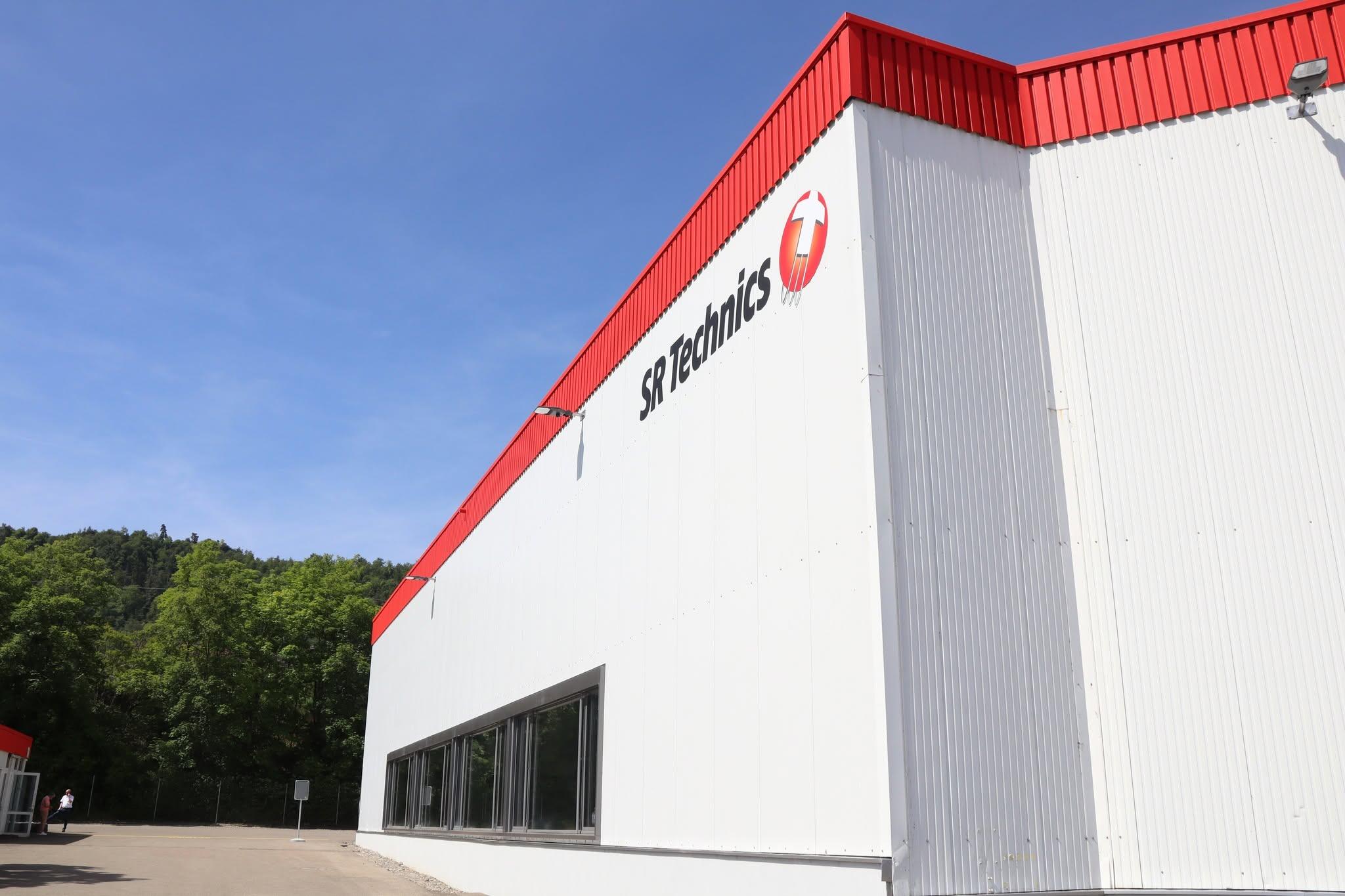
The company’s investment at Zurzach is part of a strategy to meet continued demand on mature engine platforms. The facility houses CFM56 quick-turn work that SR Technics previously performed on a smaller scale in Zurich, where heavy CFM56 maintenance remains.
Lump said the company is targeting around 80 CFM56 quick-turn events at Zurzach next year, with much of the initial demand coming from customers that already use SR Technics for heavy maintenance.
SR Technics is also moving its Pratt & Whitney PW4000 work from Zurich to Zurzach and aims to complete the transfer around late 2027. Lump said the company had doubled PW4000 inductions in 2026, compared to the previous year, and foresees firm demand through 2028. It is targeting capacity for five to six engines per month, with work currently split roughly evenly between the 94-in. and 100-in. variants.
The company is also looking to apply elements of its CFM56 repair model to the Leap and GTF. Lump estimates the company performs more than 90% of its CFM56 work internally. On newer platforms, he sees more opportunities to expand parts repair capability by bringing additional component repairs in-house.
“We really then need to start ramping up the repair side of it,” Lump said. He added that SR Technics is also investing in equipment, facilities and capabilities at its airfoil repair operation in Cork, Ireland. Lump said expanding in-house component repairs would help shorten turnaround times, give SR Technics “more supply chain control” and reduce costs.

Related Content