This article is published in Aerospace Daily & Defense Report part of Aviation Week Intelligence Network (AWIN), and is complimentary through Aug 05, 2026. For information on becoming an AWIN Member to access more content like this, click here.

U.S. Air Force Likes KC-46 Progress, But Hedging Bets On Full Recovery

KC46RII0513AWIN

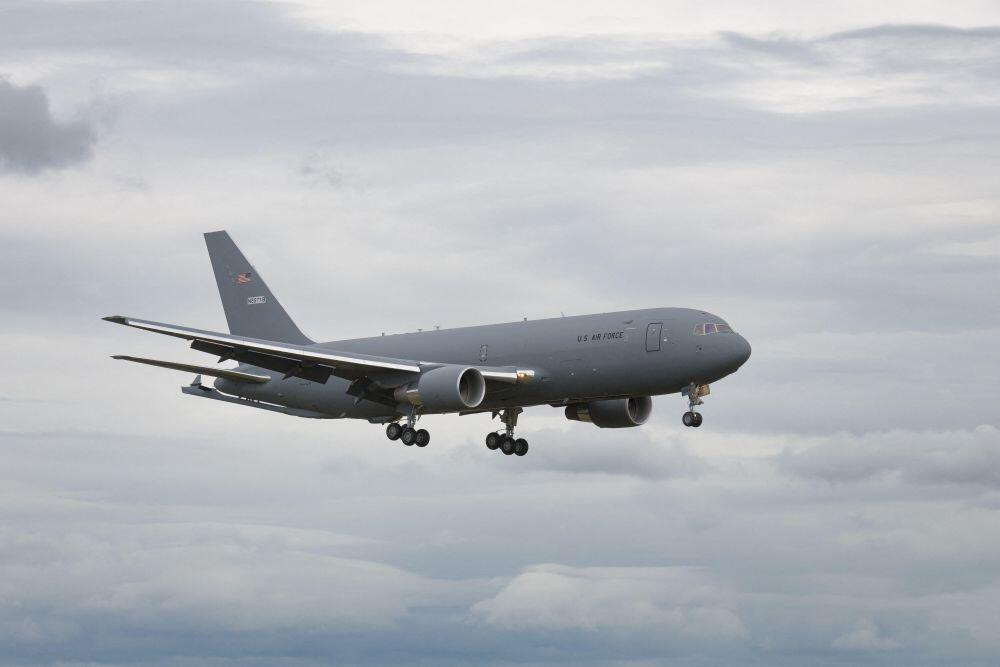
KC-46

Credit: Alamy

DAYTON, Ohio—U.S. Air Force officials and Boeing CEO Kelly Ortberg on July 28 hailed progress made on addressing a long list of costly problems hanging over the KC-46 tanker program, but the government is still hedging its bets on the manufacturer’s ability to make a full recovery in time for the next major contract extension.

The Air Force has made a promised follow-on order of 75 KC-46s scheduled in fiscal 2028 contingent on whether Boeing can eliminate all of the aircraft’s deficiencies, said Brig. Gen. William Ottati, the program acquisition executive for Mobility programs.

At the same time, the Air Force believes Boeing is finally on track to successfully resolve that list of problems by the end of next year, which would make that follow-on contract award possible.

“Eighteen months ago was the last time we saw really a delay. The schedule’s been solid the last 18 months. My confidence in [resolving the deficiencies] is significantly higher than it was,” said Col. David Holl, the Air Force’s KC-46 program manager. Holl and Otatti briefed reporters on the sidelines of the Life Cycle Industry Days event here.

That improved confidence level is reflected in Seattle. During a second-quarter earnings call with analysts hours before the Air Force officers spoke to reporters, Ortberg sounded a rare note of relief in remarks about the KC-46 program.

“I think we’ve done a really good job finally on that project. As you know, we’re getting to the end of the fixed price production that we have, we’ll be repricing new lots going forward. I think we’ve got KC-46 well in hand,” Ortberg said.

Perhaps stung by the decade-long history of setbacks by the KC-46 program, Air Force officials declined to fully endorse Ortberg’s rosy outlook.

“I don’t want to contradict him because it’s kind of hard to just encapsulate the entirety of the program as one risk level,” Ottati said.

Ottati acknowledged that progress has been made with reducing manufacturing errors by Boeing and the absence of new deficiencies. But he said that the program has not quite earned a clean bill of health yet.

“We still have some reliability issues. We have some material availability issues and software issues,” Ottati said. “The progress on those is great but we need to get things fully integrated and across the finish line.”

The Air Force believes that Boeing is on track to eliminate the major remaining deficiencies by the end of 2027. Those include integrating the Remote Vision System 2.0, the boom telescope actuator redesign, the environmental control system duct track fix and the faulty drain lines from the auxiliary power unit.

Steve Trimble

Steve covers military aviation, missiles and space for the Aviation Week Network, based in Washington, DC.