This article is published in Aerospace Daily & Defense Report part of Aviation Week Intelligence Network (AWIN), and is complimentary through Jun 18, 2026. For information on becoming an AWIN Member to access more content like this, click here.

Watchdog Report Details KC-135, KC-46 Readiness Issues

gao

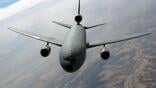
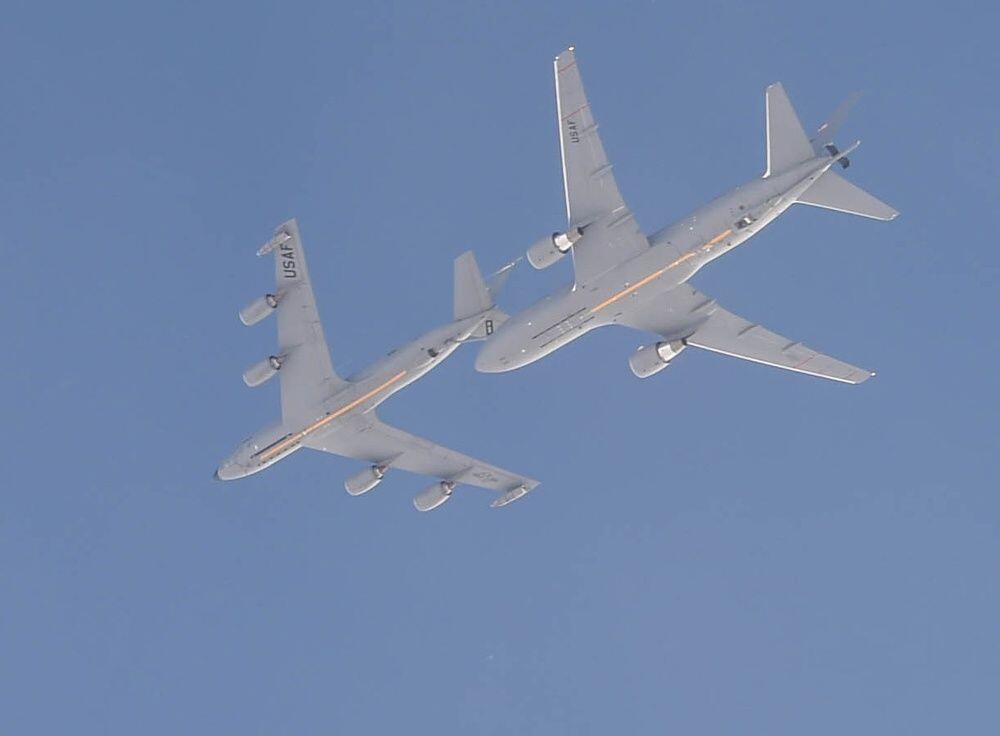
KC-135 refueling a KC-46.

Credit: U.S. Air Force

The U.S. Air Force needs to create a comprehensive assessment and plan to improve the sustainment of its aerial refueling tanker, which has consistently fallen below its readiness goals, a new watchdog report says.

The Government Accountability Office (GAO) in a report released June 10 says the Air Force has decided to no longer publicly disclose its mission capable rates of aircraft, a reversal of longstanding practice, though the watchdog reports that the unspecific rates are low because of sustainment issues for both the Boeing KC-46 and KC-135.

“The Air Force has not conducted a comprehensive assessment of the risks associated with sustainment of its aerial refueling tanker fleet or developed mitigation plans that prioritize these risks based on their likelihood or impact, according to our review of KC-135 and KC-46A sustainment plans and other documentation,” the GAO report says.

The Air Force has also reported mission-capable rates for the tankers in ways that could obscure issues in the fleet. Specifically, the GAO says the Air Force had reported that a tanker is mission capable if it can fly cargo or aeromedical evacuation sorties even if the aircraft’s refueling system is malfunctioning, a practice that Air Mobility Command in 2025 directed to be reversed for the KC-46.

The GAO report details parts issues facing both the KC-135 and KC-46 fleets as the tankers have been in high demand for operations across the globe. For example, the aging KC-135 has seen increased failure in key parts to include the Common Computing Modules and Input Output Concentrator avionics components, with aircraft at times sitting for months as they await new parts.

The Air Force has been working to modernize the KC-135 fleet, including a cockpit avionics refresh effort. The report says efforts will extend the life of the tanker to 2050, and potentially even to 2075.

“However, according to Air Force officials, the continued reliance on the KC-135 has led to an increase in the missions assigned to the aircraft, thereby increasing the necessary sustainment and maintenance work to ensure the KC-135 fleet is available and mission capable,” the GAO says.

While the KC-46 is newer, with 105 delivered to the Air Force as of the spring, the fleet is also seeing sustainment issues. There is one critical deficiency with the aircraft’s refueling boom, set to be fixed with an ongoing redesign, and two related to its remote vision system, which is being replaced starting in 2028.

The GAO says that during site visits to KC-46 units, officials also raised concerns about Boeing’s quality control procedures, as there have been issues with frequently failing electrical components on the boom, sensors that do not perform accurately, airframe cracks and other issues. The report also highlights maintenance issues with the KC-46’s auxiliary power unit. A KC-46 maintainer detailed this issue to Aviation Week during a visit in July 2025, saying that the Boeing 767 APU is designed for airline and freighter operations during which it would largely stay running constantly. But the military operations of the KC-46 require more downtime and turning the unit off and on, causing issues.

“Air Force and [Defense Logistics Agency] officials attributed high failure rates for KC-46A parts to assumptions used during the development process,” the report says. “Specifically, Boeing designed the KC-46A based on its civilian aircraft. However, the requirements for a military version of the same aircraft differ substantially and result in higher usage and subsequently shorter lifespan of critical parts.”

The Air Force tells GAO it is in the process of analyzing which parts are breaking and the sustainment needs for the aircraft. Air Mobility Command also says it is discussing increasing the amount of time between scheduled depot maintenance by a year, which should increase the availability of aircraft by 6%.

Brian Everstine

Brian Everstine is the Pentagon Editor for Aviation Week, based in Washington, D.C.