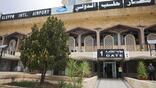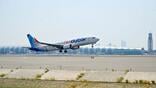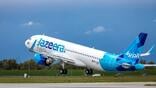
Yemeni national carrier FlyAden launched new direct service from Aden, Yemen, to King Fahd International Airport in Dammam, Saudi Arabia, on July 5.
The route will initially operate once a week using an Airbus A320, marking progress in FlyAden’s ongoing efforts to rebuild Yemen’s international air links.
The Dammam route is the latest step in FlyAden’s growth since launching operations in November 2025 with a wet-leased Boeing 737-800 from Red Sea Airlines.
In March, the carrier took delivery of its first owned A320 at Aden International Airport. The aircraft, previously operated by Royal Jordanian Airlines, marked a significant milestone in the airline’s expansion and Yemen’s efforts to restore international air connectivity after years of disruption.
FlyAden plans to add a second A320 later this year as it continues to expand its network. The airline currently operates scheduled services from Aden to Jordan’s capital Amman; Jeddah, Saudi Arabia; and Cairo. It is also preparing to launch Hajj and Umrah pilgrimage flights.
Looking ahead, the carrier said it intends to steadily grow both its fleet and route network “on an annual basis.”
Shabib Al Lawati, traffic development director at Dammam Airports, highlighted the extensive work behind securing a new airline.
“Attracting a new airline is never easy, particularly in today’s highly competitive market where every carrier carefully evaluates the commercial viability of a new destination. This achievement reflects the value of strong partnerships and a shared commitment to expanding connectivity for Dammam,” he said.
Al Lawati said the airport will now focus on supporting FlyAden by stimulating passenger demand, strengthening the airline’s market presence, expanding its catchment area and building a sustainable business case that could support increased frequencies in the future.
“For me, successful air traffic development is not measured by launching a route, but by ensuring that the route succeeds, grows and continues to create value for the airline, the airport, passengers and the wider aviation ecosystem,” he added.

Related Content