Flight Friday: Middle East Carriers Utilization Pre/Post Start Of Conflict
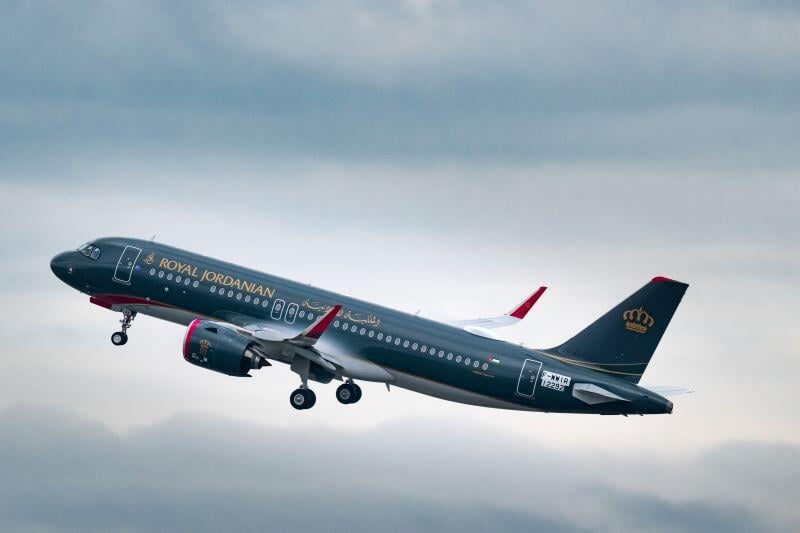
Royal Jordanian Airbus A321neo
Six months after the conflict in the Middle East started, and with recent escalations in Saudi Arabia impacting air travel infrastructure, this week’s Flight Friday looks at how operators in the region are flying their aircraft in September 2026 compared to September 2025.
It should come as no surprise that overall flight cycles in the Middle East, year to date, are down over 17% compared to January-September 2025, with the majority of that difference occurring in the second quarter of 2026. However, when comparing September 2026 to 2025, the differences are narrowing.
The carriers that predominantly operate narrowbody aircraft are still showing lower flights in 2026 compared to 2025. The nature of operations means that these operators, like FlyDubai, Flyadeal and Flynas tend to operate more flights in and around the Middle East. When both ends of a flight route are potentially deemed to be in an area greatly impacted by conflict, it lowers demand, therefore impacting overall utilization.
The “Gulf Connector” carriers seem to have recovered a little better, with Emirates’ utilization only 2% lower in 2026 compared to 2025.
However, there are two operators that are flying more. Etihad is up almost 10% and Royal Jordanian Airlines up 25%. Some of this increase can be attributed to a slightly larger in-service fleet, with Etihad’s fleet up 15%, and Royal Jordanian’s fleet up 6%. Royal Jordanian’s increase is also aided by the increase in availability of aircraft powered by Pratt & Whitney PW1000G (GTF) engines, coupled with geographical distance from what is deemed the center of the conflict: Iran, and now, Saudi Arabia.
This data was put together using Aviation Week’s Tracked Aircraft Utilization database.

Related Content