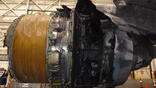
LISBON, Portugal—A few mature aircraft engines that were supposed to be facing retirement are instead springing back into maintenance shops and could stay in service for another decade because airlines don’t have replacement aircraft options.
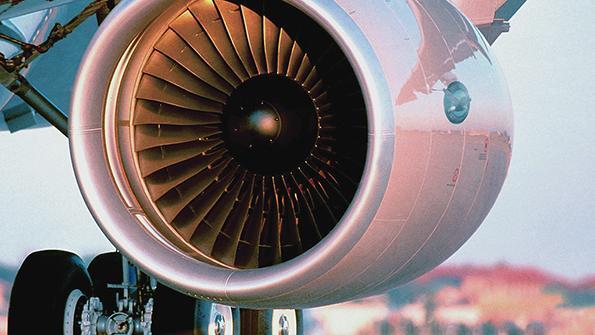
One mature engine that has been resurging over the last couple of years is the Pratt & Whitney PW4000.
About two years ago, SR Technics started receiving more maintenance requests for the PW4000, which it thought was going to be a sunsetting fleet, but then those “two to three requests turned into four or even five or more per month, and that demand isn’t something that you can just turn on and do because it requires materials, staff” and additional capacity, says Bo Lump, SR Technics’ senior VP business development, speaking at Aviation Week’s AeroEngines Europe. To meet the boost in demand, the Swiss-based MRO chose to invest in a facility, employee training and material to support the engine.
Pratt & Whitney agrees that the PW4000—which powers aircraft such as early model Boeing 777s and Airbus A330s—is seeing more shop visits than anticipated.
Scott Cika, Pratt & Whitney’s executive director of mature commercial engines, points out that “next year that machine will turn 40 years old.”
“The advantages of a mature configuration are the predictability, reliability and time-on-wing that they afford,” Cika says. But as out-of-production machines continue to mature, finding material to support the shop visits can be challenging. Used serviceable material (USM) and repairs are key components of that, as is “really good communications with our customers to understand what their needs are” so the market can react, he adds.
To support its aging fleet, he says the OEM is evaluating new repair development and modified workscopes.
Based on customer feedback, “I’ve heard people wanting to operate the [PW4000] 100-inch into the late 2030s. We’ve heard people want to operate the 94-inch into 2040,” Cika says. He classifies the 112-inch, which powers the 777-200s and -300s, as “its own unique situation” and expects that engine to remain on-wing until the early 2030s, as well. United Airlines operates 85 777-200s and -300s, alone, according to Aviation Week Fleet Discovery data.
Shop capacity and material availability vary by engine type, but better planning is paramount for any mature engine.

Related Content