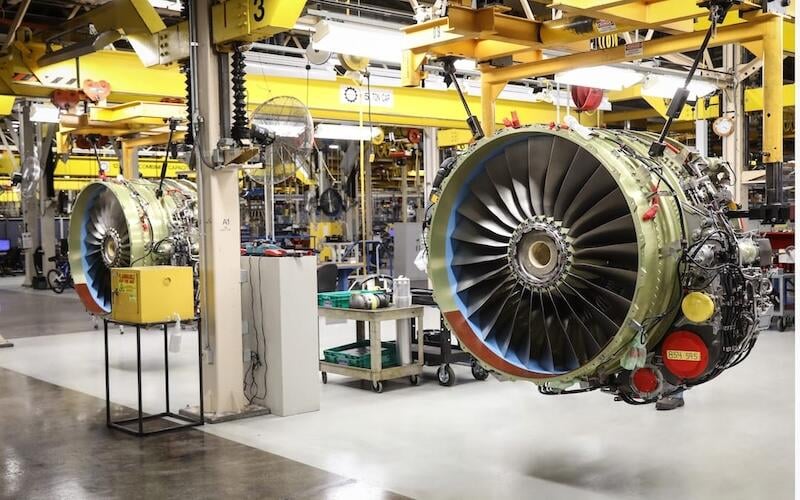
CFM56 engines.
Entering 2026, airlines continued to operate older aircraft and engines longer than usual as they sought to bridge a capacity gap created by slow deliveries, extended maintenance times and new-generation engine problems.
Toward the end of the year, many operators still do, but rising fuel prices connected to the war in Iran and other inflationary pressures have raised questions about whether older equipment will stay in service for as long as had been anticipated prior to the conflict.
Values of prior-generation engines like the CFM56 and V2500, while still high, appear past their peak, and increasing numbers of Airbus A320s are coming off lease without onward customers.
And although air travel demand has been resilient, several airline CEOs have said they are reaching the limit of how far they can pass on fuel increases in higher airfares, especially as the oil price exacerbates cost-of-living pressures for consumers.
That said, a mass retirement of older aircraft is not anticipated soon. In 2027, the most popular engine in the global fleet will remain the CFM56, with almost 19,000 — 44% of all narrowbody engines — in service, according to Aviation Week’s 2027 Commercial Fleet & MRO Forecast.
That number is expected to fall to just below 15,000 a decade later, at which point only the CFM56’s successor, the CFM Leap, will have overtaken it by engine count. Over the first nine months of 2026, Leap deliveries rose 26% year on year to 1,565 engines.
Unsurprisingly, the CFM56 also commands the biggest engine maintenance market, worth almost $200 billion for the type over the next 10 years. Demand is expected to peak at more than $23 billion in 2029.
In-service numbers of the Leap are expected to overtake its predecessor around 2029-30, and around 35,000 Leaps are forecast to be flying by 2036.
The Leap maintenance market, meanwhile, is predicted to grow from $5 billion in 2027 to $28 billion a decade later, and only surpass the CFM56 as the world’s most valuable engine maintenance market in the 2033-34 period.
For a full analysis of the latest Aviation Week data on engine deliveries, retirements and maintenance, see the Engine Yearbook 2027, out soon.

Related Content