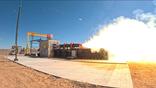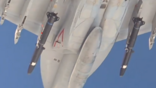
A Navy F/A-18 carries the new Joint Direct Attack Munition (JDAM) Long Range (LR) variant during a test event in early April off the coast of California.
Credit: U.S. Navy
Boeing demonstrated a turbojet-powered GBU-75 Joint Direct Attack Munition Long Range (JDAM-LR) for the U.S. Navy in early April, converting a glide bomb into a powered munition, the service says. “This new capability allows pilots to engage targets from significantly safer distances, maintaining a...

Subscription Required
Boeing Unveils GBU-75 Powered JDAM For U.S. Navy is published in Aerospace Daily & Defense Report, an Aviation Week Intelligence Network (AWIN) Market Briefing and is included with your AWIN membership.
Already a member of AWIN or subscribe to Aerospace Daily & Defense Report through your company? Login with your existing email and password.
Not a member? Learn how you can access the market intelligence and data you need to stay abreast of what's happening in the aerospace and defense community.
Related Content