This article is published in Aerospace Daily & Defense Report part of Aviation Week Intelligence Network (AWIN), and is complimentary through May 17, 2026. For information on becoming an AWIN Member to access more content like this, click here.

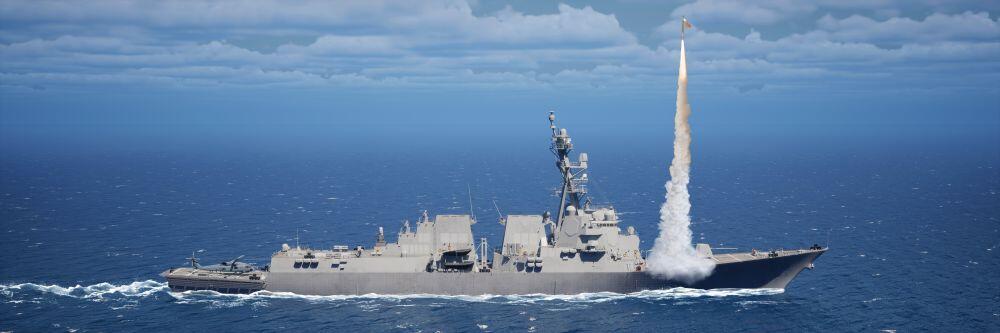
Lockheed Offers Hypersonic Defense Option With PAC-3 For U.S. Navy

Lockheed Martin
Credit: Lockheed Martin

NATIONAL HARBOR, Maryland–Lockheed Martin will integrate the PAC-3 Missile Segment Enhancement (MSE) into the Aegis Combat System under a roughly $200 million contract from the U.S. Navy, a company executive says.

The PAC-3 will give the Navy another option for shooting down aircraft and incoming missiles, including maneuvering hypersonic threats, said Jason Reynolds, Lockheed’s general manager for integrated air and missile defense. The missile will be integrated into the Mk 41 launch cell on Navy ships.

The RTX SM-6 Sea-Based Terminal missile now provides the Navy’s only capability to defend ships from the threat of hypersonic glide vehicles, but PAC-3 MSE also has been used in combat by Ukrainians to defend against high-speed Russian threats, including the Kinzhal aeroballistic missile and the Tsirkon cruise missile.

“We’re working with the Navy to basically prove that we can do the Sea-Based Terminal mission with the PAC-3 MSC. That needs to be proven and tested, but analysis shows you can solve that mission as well,” Reynolds told Aviation Week April 21 at the Sea Air Space conference here hosted by the Navy League.

The Missile Defense Agency also is partnered with the Japanese government to field the Northrop Grumman Glide Phase Interceptor in 2031.

The integration with the Aegis Combat System comes during a significant budget ramp-up for the PAC-3 program. Lockheed doubled production over the last three years to more than 600 interceptors last year. Output is now expected to rise to 2,000 missiles annually by 2030.

“We’re breaking ground every month. Over 20 facilities are intended to be upgraded or increased in their capacity to meet this critical demand for this effective missile,” Reynolds said.

The U.S. Army developed and fielded the family of ground-launched Patriot missile interceptors.

Steve Trimble

Steve covers military aviation, missiles and space for the Aviation Week Network, based in Washington, DC.