This article is published in Aviation Week & Space Technology and is free to read until Jan 26, 2026. If you want to read more articles from this publication, please click the link to subscribe.
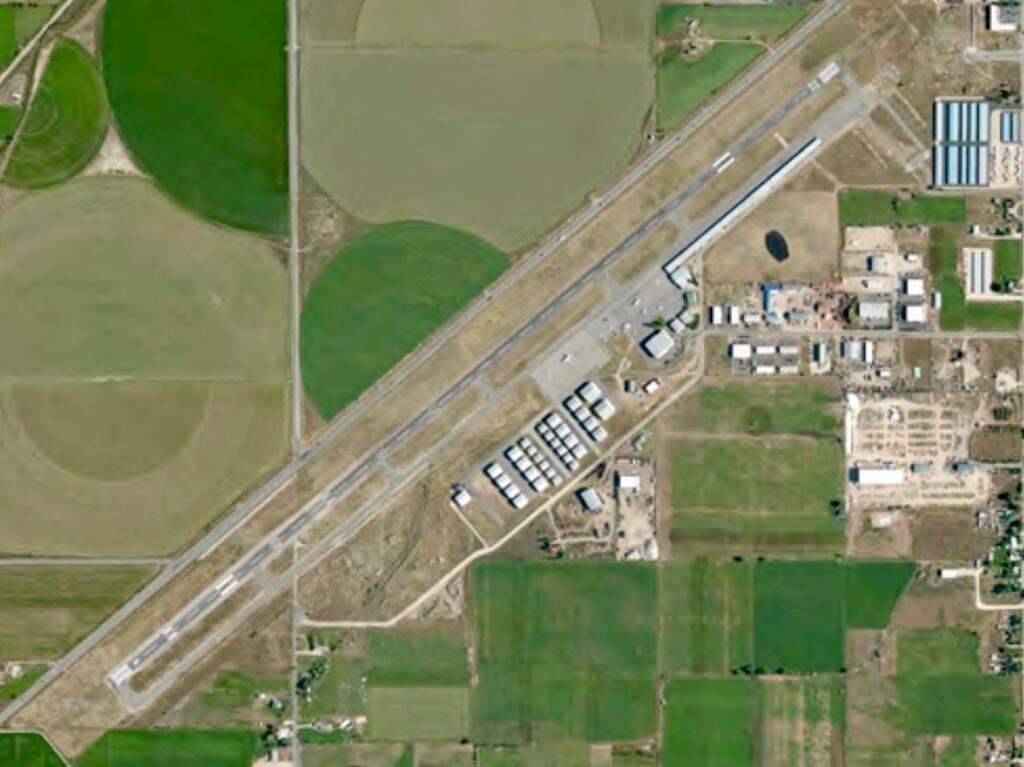
US Route 189 runs parallel to the runway at KHCR, which is 300 ft. away. A row of aircraft hangars is even closer to the runway.
As the KHCR certificate holder, Heber City has the ultimate responsibility to comply with FAA criteria. The city council is the governing body with the authority to move the airport compliance upgrade project forward.
It is no exaggeration that the deliberation process that led to a city council vote in 2023 was lengthy and contentious. The local political discourse was as ugly as our national political discourse. Loud opinions were expressed by special interests who deliberately misconstrued information hoping to influence public opinion and ultimately, the city council’s vote.
When Heber City officials accepted grant funds from the FAA for projects such as the 1992 runway extension, they signed a contract that includes a list of obligations the city must satisfy. These grant assurances cover a range of safety, operations, and financial matters that are designed to ensure the airport is operated in a manner consistent with federal policies and regulations.
Heber City received its first grant in 1949, for $73,515, under the Federal Airport Act Program (FAAP). An additional 33 grants have since been issued under the Airport Improvement Program (AIP), totaling $17.8 million. Since 2012, KHCR has received $5.8 million in AIP funding.
Local opposition to the compliance upgrade gave rise to claims that the city could abrogate its previous agreements with the FAA. Heber City’s mayor at the time, Kelleen Potter, sought clarification from the FAA on the city’s legal obligations due to its previous acceptance of federal funding.
“As a result of receiving FAA funding for the Heber Valley Airport, is Heber City bound by the federal Grant Assurances?” she asked. The manager of the FAA’s Denver Airports District Office, in an Oct. 19, 2021, email, replied: “Yes. Since HCR has used AIP funding to purchase land those grant assurances run in perpetuity.”
Vocal opponents of the upgrade narrowly interpreted a paragraph within FAA Advisory Circular (AC) 150/5070-6B to allow Heber City the option to not upgrade the Heber Valley Airport to C-II standards even if the master plan demonstrates that the Airport should be upgraded or to limit the size and number of jets using the Heber Valley Airport. The FAA’s response is that the airport does not meet standards for the existing fleet of users and the critical aircraft.
Mayor Potter asked: “Would the FAA ever require Heber City to pay back the funding it has received from the FAA over the years? Under what circumstances?” The FAA responded: “Yes, if we do not receive a usable unit of work for an AIP-funded project we require the sponsor to repay AIP funds.”
Even though a sizeable and outspoken number of citizens proposed closing the airport, Heber City’s aviation counsel Peter Kirsch explained at a public hearing that defying the FAA’s directive could forfeit federal money for airport improvements and force the city to re-pay the FAA over $50 million during the next 20 years for breaching the previous agreement that funded the runway expansion. Without FAA funding, consultants opined that the airport is unlikely to sustain operations in future years.
Opponents also proposed limiting the number and type of aircraft using the airport. An airport working group called “Heber Valley Airport Flightpath” tried to inform the residents that federal law prohibits the city from imposing limits beyond safety limits dictated by the FAA. Any aircraft that can safely use the airport must be allowed to operate there. In the same way the city cannot restrict the public from driving on public roads, the city cannot restrict the number or type of aircraft using its airport.
Moving Forward
On June 20, 2023, the Heber City Council voted 4-1 to submit a new master plan for the Heber Valley Airport to the FAA for approval. This will ultimately result in bringing the airport up to C-II standards.
“The city is finally moving forward with an upgrade that has been needed since 2004,” said Nadim AbuHaidar, the owner of fixed-base operator OK3 AIR at KHCR. “Safety will improve and compliance with the FAA grant assurances will ensure federal funding.”
“Concerns have been raised over the years about what an upgrade might mean for the airport,” AbuHaidar added. “Hopefully, the city’s master planning process allowed folks to understand that the upgrade will allow the airport to more safely accommodate the aircraft that are already landing here, while maintaining the city’s FAA funding. The upgrade presents an opportunity to plan for the future of KHCR in a way that addresses the needs of all stakeholders.”
OK3 Air has received permission from the city to build a new, 31,500 ft.2 aircraft hangar. In addition, OK3 Air anticipates relocating its operations to a new 17.8-acre location on the south end of the airport. It will further invest at least $5 million at the airport once the C-II upgrade is completed.
Construction on the runway project would likely result in closure of the airport while the current runway is removed and a new runway installed. A row of hangars will be removed to comply with the Runway Safety Area (RSA) clearance requirements. How will Heber City pay for its part of the project? It intends to increase rates for landing fees and fuel flowage.
The KHCR saga provides a warning to those who have a stake in an airport whose RSA and Runway Protection Zone don’t comply with FAA safety standards. If your airport gets snared by this problem—you have my empathy. We as members of the business aviation industry inherently think about the positive contributions to local, regional and the national economy. Unfortunately, the Heber Valley Airport example illustrates the disconnect between business aviation and local communities.
Be prepared for a long and potentially unpleasant administrative process. Smaller municipalities simply don’t have subject matter experts on airport design standards, and cities are challenged by local problems such as replacing aging infrastructure and population growth.
For Complexities Of Airport Compliance, Part 1, click here.