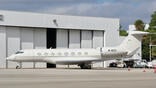
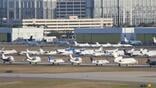
The impact of airborne particulates on aircraft engines is a challenge for aviation.
Credit: Clay Lacy Aviation
On May 24, 1988, TACA Flight 110, a Boeing 737-300, was flying from Belize to New Orleans. The weather radar depicted areas of light-to-moderate precipitation in the flight path, as well as some isolated red cells indicative of heavy precipitation to both sides of the intended flight path for the...

Subscription Required
This content requires a subscription to one of the Aviation Week Intelligence Network (AWIN) bundles.
Schedule a demo today to find out how you can access this content and similar content related to your area of the global aviation industry.
Already an AWIN subscriber? Login
Did you know? Aviation Week has won top honors multiple times in the Jesse H. Neal National Business Journalism Awards, the business-to-business media equivalent of the Pulitzer Prizes.
Related Content