Flights to and from the Eastern Caribbean are being restored after U.S. aviation authorities lifted temporary airspace restrictions imposed following U.S. military action in Venezuela.
The restrictions, put in place by the FAA, followed U.S. strikes in Venezuela and the subsequent capture of the country’s President Nicolás Maduro, prompting the restriction of commercial flight operations in portions of Caribbean airspace as a precaution.
The curbs expired at midnight eastern time early on Jan. 4, allowing airlines to resume flights and begin the task of restoring disrupted schedules. U.S. Transportation Secretary Sean Duffy confirmed the reopening in a post on social media site X, saying: “The original restrictions around the Caribbean airspace are expiring at 12:00 a.m. ET and flights can resume. Airlines are informed and will update their schedules quickly.”
The closure triggered hundreds of cancellations across the region on Jan. 3, as airlines were forced to suspend flights during an already capacity-constrained New Year holiday travel period. Airports across Puerto Rico, the U.S. Virgin Islands and several Eastern Caribbean nations were hit by widespread cancellations.
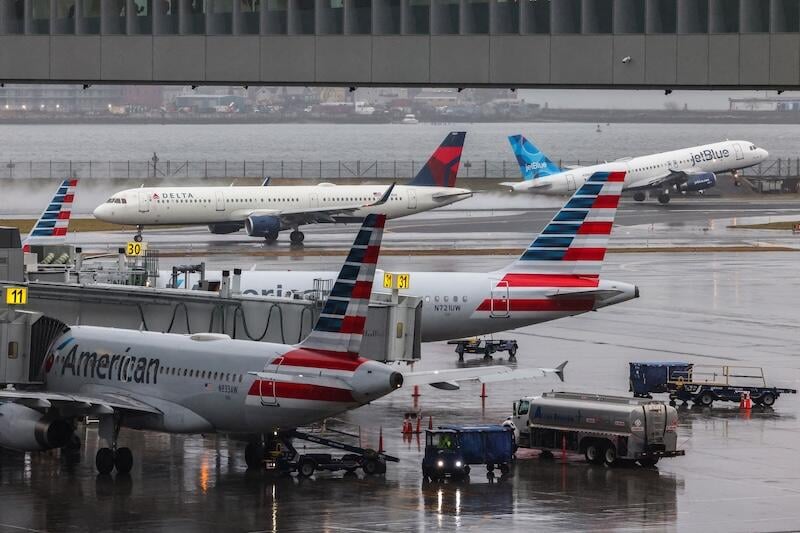
American Airlines says it has moved quickly to add capacity, resuming scheduled service on Jan. 4 and offering nearly 5,000 additional seats through extra flights and the use of larger aircraft. By Jan. 5, the carrier says it has expanded that to nearly 7,000 extra seats supported by 43 additional flights, including limited inter-island service in the Eastern Caribbean to move passengers into San Juan for onward connections to the mainland U.S.
Delta Air Lines has also added more than 2,600 seats through supplemental Caribbean flights on Jan. 5 and aimed to reaccommodate affected customers by Jan. 6. However, the airline cautions that physical space limitations at many Caribbean airports could result in some delays.
Other carriers have also resumed operations. United Airlines has restored its Caribbean schedule and added additional flights to assist displaced travelers, while JetBlue Airways says it has rebooked passengers and added flights where possible after canceling more than 200 flights during the closure.
The airspace shutdown followed a dramatic U.S. military incursion into Venezuela that resulted in the capture of Maduro and his wife. U.S. officials say Maduro was indicted on narco-terrorism conspiracy and other charges in the Southern District of New York. On Jan. 5, Maduro submitted a not guilty plea in a Manhattan courtroom, asserting he was still president of Venezuela and that he had been “kidnapped.”
Commercial service between the U.S. and Venezuela has been suspended since 2019, when the U.S. Transportation Department halted all flights after determining that conditions in the country posed risks to the safety and security of passengers, aircraft and crews. However, some U.S. airlines fly over the country en route to other points in South America.
Meanwhile, the French Civil Aviation Authority says flights to and from the French West Indies and French Guiana will continue but urges French airlines to avoid Venezuelan airspace and carry additional fuel in case of diversions.

Related Content