TAP Prepares For Privatization With Focus On Core Strengths

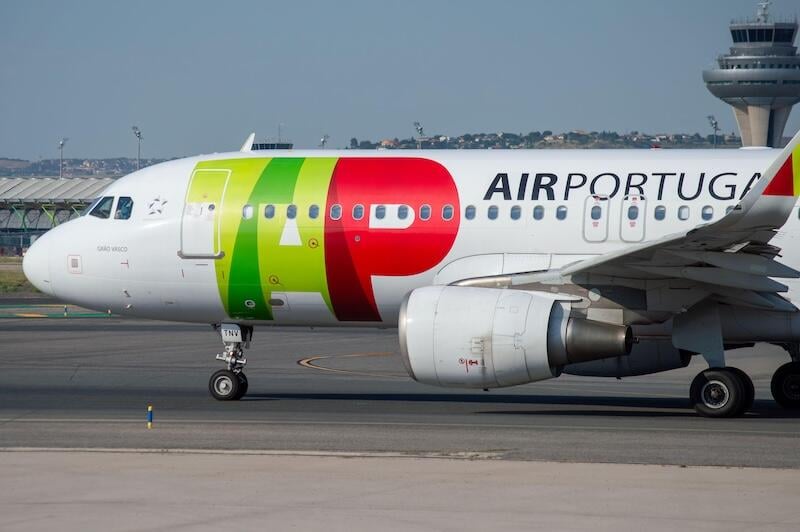
tap air portugal a320
Credit: Alfonso Sacristán M./Alamy Stock Photo

HONG KONG—TAP Air Portugal CEO Luís Rodrigues says the carrier is entering a pivotal phase as the Portuguese government launches a partial privatization process, stressing that operational excellence is key to attracting the right strategic partner.

Speaking during a pre-recorded keynote interview at Routes World 2025, Rodrigues explained that TAP has been preparing for privatization by focusing on performance—rather than speculating about potential future shareholders.

“We’ve been preparing for the whole process by running the airline to the best of our abilities,” Rodrigues told delegates. “I told the team from day one: We need to run this as if privatization isn’t going to happen.”

He explained this approach was necessary for two reasons—first, to ensure the airline remains stable regardless of political timelines, and second, so that any future investor finds “a properly run airline, not one that’s paralyzed or afraid of what’s coming.”

The Portuguese government has approved the sale of up to 49.9% of TAP, with 44.9% available to strategic investors and 5% reserved for employees. The process is expected to conclude by early summer 2026, followed by a regulatory review. Interested airline groups have a 60-day window to express interest, with binding offers expected next year.

Rodrigues confirmed that a dedicated team has been set up to manage the sale, allowing him to focus on operations. “I was very glad the government appointed a new chairman to focus on privatization, so I can concentrate on the day-to-day business,” he said.

More News And Analysis From Routes World 2025

TAP’s strategic value lies in its South Atlantic network, particularly its dominance on routes to Brazil. The airline holds 25.6% of Europe–Brazil capacity, ahead of LATAM (22.9%) and Air France (9.4%), according to OAG Schedules Analyser data.

“We’re flying 11 different routes in Brazil, of which nine are cities we’re the only airline connecting to Europe,” Rodrigues said. “There’s obviously significant value in that, and any group will be looking at it carefully.”

Although TAP has a large slot portfolio at Lisbon Airport, Rodrigues said that its infrastructure remains a major constraint, even as a 99-aircraft fleet cap imposed during restructuring is set to expire at the end of 2025. “There are no slots available,” he said. “It’s no use growing the fleet if we can’t use the aircraft.”

TAP is expanding from secondary airports like Porto, recently launching long-haul services to Boston. “Porto … has potential to become a mini-hub,” Rodrigues said. “That’s probably one of our biggest growth opportunities to expand our network.”

While TAP is a longstanding member of Star Alliance, Rodrigues said alliance affiliation should not be a decisive factor in the privatization. “If ultimately we were to leave Star, it would be a painful transition—but limited in time and cost,” he said.

On fleet strategy, he added that TAP remains committed to its Airbus and Embraer aircraft, saying that no fleet renewal decisions would be made until the new shareholder is in place. “It’s a long-term process … and they must have a voice in those decisions,” Rodrigues said.

The full interview with Luis Rodrigues can be heard on this week’s episode of Window Seat.

David Casey

David Casey is Editor in Chief of Routes, the global route development community's trusted source for news and information.

Routes World 2025

Routes World 2025 brought together airline, airport, and destination decision-makers in Hong Kong to define the world’s route networks.