Rapid scenario planning and operational flexibility have become central to how airlines run their networks, as geopolitical challenges, supply chain disruption and changing demand patterns reshape the industry’s planning assumptions.
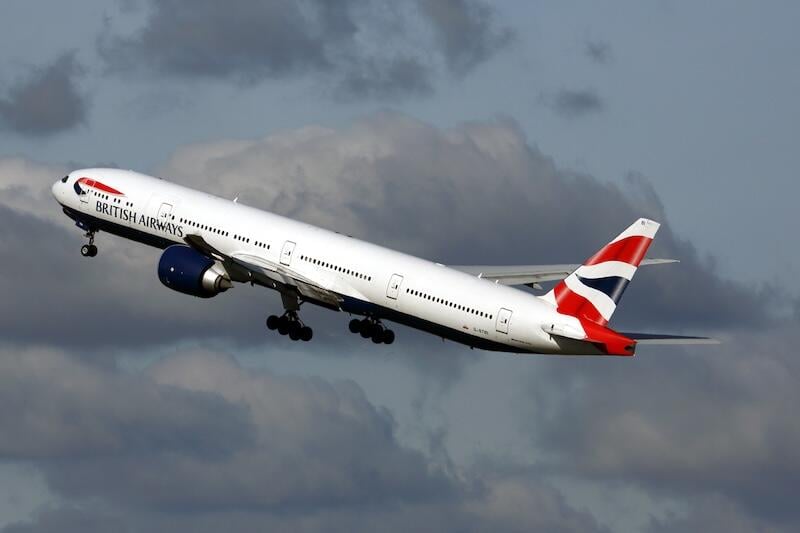
Speaking during a panel discussion at the CAPA Airline Leader Summit in Lisbon, executives from British Airways, Finnair and TAP Air Portugal described an operating environment where traditional long-term network planning has been replaced by constant contingency modeling.
“The airline industry historically has always had curveballs thrown its way,” said British Airways Chief Planning and Strategy Officer Neil Chernoff. “What we’ve learned is in a world where there’s lots of changes, potential for disruption … you have to plan for that disruption, and so we embed it now in our planning process.”
Chernoff said British Airways now builds alternative deployment options into its annual planning cycle. “We tend to plan a year in advance, so you don’t know what you don’t know at that point. But we’ve gone into our planning cycles to say, ‘Okay, I want an 8-hr. stage length. I think it’s going to be to the U.S., but if something happens in the U.S., what’s my alternative?’ And so, we try to be able to manage that.”
Finnair—hit harder than most by the closure of Russian airspace—said the situation forced a change in how it views planning risk. “Airspace closes all the time, but the difference with the current situation is how long it has been closed,” said Finnair Chief Revenue Officer Christine Rovelli.
“However, if we hadn’t gone through the experience of COVID, which taught us to be much more agile, much more reactive, much less afraid of taking risks, then [the airspace closure] would have been much more difficult for us to deal with. But it’s no longer a planning scenario for us. It’s closed. We’re just running the business that way.”
TAP Air Portugal faces its own wave of disruptions—from African elections to engine availability issues and extreme weather—requiring a redesigned approach to operational planning. Group Head of Strategy Henri-Charles Ozarovsky said TAP is now working under the assumption that volatility is permanent.
“You have to have five micro plans all the time,” he said. “You can’t live thinking that everything’s going to be again OK next year … Make a steady plan, but you need to have three more alternatives.”
Ozarovsky said TAP’s African markets, in particular, have become increasingly sensitive to political cycles, with elections driving abrupt demand changes and operational restrictions. The goal, he said, is therefore not to eliminate disruption, but to ensure the airline always has fallback options ready to deploy.

Related Content