This article is published in Air Transport World part of Aviation Week Intelligence Network (AWIN), and is complimentary through Aug 24, 2026. For information on becoming an AWIN Member to access more content like this, click here.
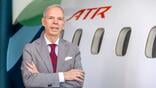
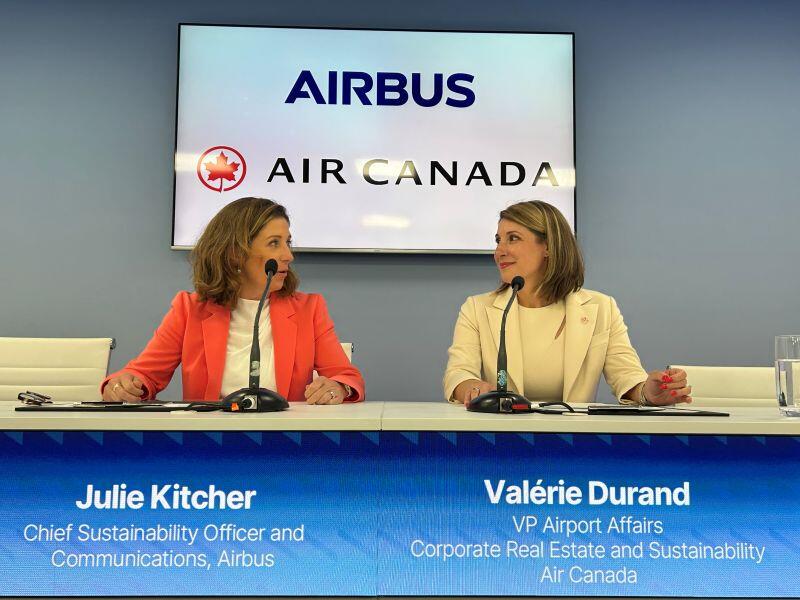
(L to R): Airbus chief sustainability officer Julie Kitcher and Air Canada VP for airport affairs, corporate real estate and sustainability Valerie Durand.
Airbus and Air Canada are partnering on a new C$13.7 million ($9.8 million) investment platform to support the Canadian sustainable aviation fuel (SAF) ramp up.
“Together, we will be investing in the production of SAF in Canada,” Airbus chief sustainability officer Julie Kitcher said, speaking at a July 20 Farnborough Airshow briefing. “This is a joint investment of up to C$13.7 million on a 50:50 basis.”
A focus area for the partnership will include accelerating a jointly agreed Canadian SAF project toward final investment decision.
The investment vehicle is initially expected to back HEFA SAF production. Canada has extensive feedstock and an Airbus-commissioned study, performed by ICF, has shown that local production could meet 40% of Canadian SAF demand, adding C$32 billion to Canadian GDP and creating 140,000 new jobs.
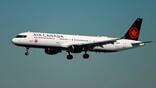
Air Canada operates over 100 Airbus aircraft, including A321XLRs that entered the fleet this year. Air Canada VP for airport affairs, corporate real estate and sustainability Valerie Durand said this initiative will help build a reliable and competitive SAF supply for Canada.
When asked whether U.S. policy changes had increased the necessity for initiatives like this one, Durand said Air Canada had remained steady in its objectives. “It’s not a matter of one geography versus another,” she said.
Airbus and Air Canada will continue to work with the Canadian Sustainable Aviation Fuel Coalition (C-SAF) and government partners to establish a regulatory framework for SAF.
Beyond the SAF investment vehicle, Airbus will offset its Canadian corporate travel through a five-year deal with Air Canada’s Leave Less Travel Program. This will initially involve Airbus acquiring environmental attributes, also known as Scope 3 credentials, from 60,000 liters (15,850 gal.) of Air Canada’s SAF.
Air Canada is aiming for net zero by 2050, as well as reducing emissions from air and ground operations by 2030, against a 2019 baseline. Air Canada used 1.6% SAF in its operations in 2025.
Airbus has a similar 50:50 sustainability investment venture with Qantas in Australia.