This article is published in Air Transport World part of Aviation Week Intelligence Network (AWIN), and is complimentary through Nov 08, 2026. For information on becoming an AWIN Member to access more content like this, click here.
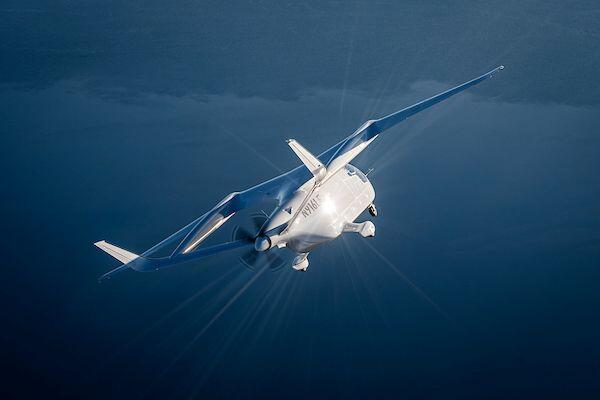
Using the example of BETA Technologies, ALTEA said an aircraft operating for 20 years could require 18 to 20 sets of replacement batteries.
Regional airlines will be among the first to operate electric and hybrid aircraft, but they also lack capacity to absorb new technology risks.
In a newly released white paper, consultancy firm ALTEA observed “fundamental tension” in the market for new electric and hybrid aircraft under 30 seats.
“The routes with the strongest need for smaller alternative-propulsion aircraft are often those least able to absorb the risk of new technology going wrong,” ALTEA associate and former Eastern Airways executive Chris Holliday said.
The white paper looks at new technologies being developed by Heart Aerospace, BETA Technologies, Electra, Ampaire, ZeroAvia, Aura Aero, Vaeridion, Elysian, JEKTA and others.
ALTEA noted that clean-sheet aircraft programs can take eight to 10 years to certify, whereas venture capital investors expect quicker returns, adding another layer of uncertainty beyond the new technology being explored.
Turning to the aftermarket—such as batteries, powertrain software, health monitoring, operational data and support services—Holliday said more OEM data is needed.
Using the example of BETA Technologies, ALTEA said an aircraft operating for 20 years could require 18 to 20 sets of replacement batteries. With no pre-existing market for electric and hybrid aircraft, this raises questions about real-world maintenance costs, battery degradation and battery ownership, as well as residual values.
“Who carries the downside risk if battery residual-value assumptions prove incorrect; what data should manufacturers provide to appraisers and lessors; and who should finance the infrastructure required to support new propulsion systems. The answers could determine not only which aircraft programs survive, but whether the technology ultimately reaches the regional communities it is designed to serve,” Holliday said.

Related Content