With the completion of the 2025 edition of the Dubai Airshow, this week’s Flight Friday examines flights of lower-cost carriers in the region as compared to the equivalent month in 2019.
There has been a narrowbody operator boom in the Middle East over recent years, with fleets increasing across the board. Collectively, the operators in this analysis have doubled their fleet size from 2019 to 2025.
Flydubai has the largest in-service fleet (ISF), with almost 100 aircraft, which is more than double its October 2019 ISF of just over 40 aircraft. This results in aggregated hours that are almost double the equivalent month in 2019.
Flynas has the next largest fleet, and likewise, its fleet has doubled from 32 in 2019 to 64 today. Again, this results in aggregated hours that are twice as many as 2019, thanks to this increased fleet growth.
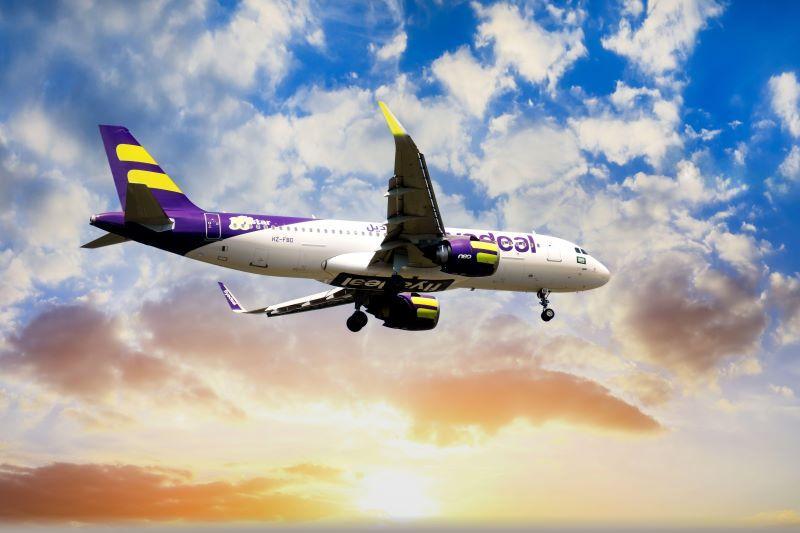
Flyadeal is currently four times larger than it was in 2019. Having only commenced operations in late 2017, Flyadeal began operations in 2017 and had an ISF of 11 aircraft in October 2019. It now has more than 40. This fleet growth is reflected in the trebling of flights by the operator in the equivalent month.
Air Arabia is operating more flights in 2025 than 2019, though its growth is less evident. While operating a third more flights in 2025, this is due to its smaller fleet growth. Air Arabia already had 43 aircraft in its fleet in 2019, and today it’s nearly 60 aircraft. Fleet growth of a third has translated into a flight growth of a third.
This data was put together using Aviation Week’s Tracked Aircraft Utilization database.

Related Content