
Sustainable Aviation Fuel
With governments and airlines committed to decarbonizing aviation by 2050, innovative solutions are required and sustainable aviation fuels (SAF) could play a major role in meeting targets. IATA estimates that SAF could contribute around 65% of the reduction in emissions needed by aviation to reach net-zero in 2050. This will, however, require a massive increase in production in order to meet demand.
Top Story
Sponsored Content
Latest News On Sustainable Aviation Fuels

Sep 20, 2023
A study by German aerospace center DLR also shows that further reductions in climate impact are possible by switching to hydrogen as an aviation energy source.

Sep 18, 2023
The panel discussion was held at the Air Charter Expo on Sept. 12.

Sep 18, 2023
With fewer slots available next summer at Amsterdam’s airport, the Netherlands’ plan to cap flight capacity to limit noise is starting to become a reality.

Sep 14, 2023
EASA expects to be tasked to assess sustainable aviation fuels (SAF) on a regular basis and label flights depending on their environmental merits.
Sep 14, 2023
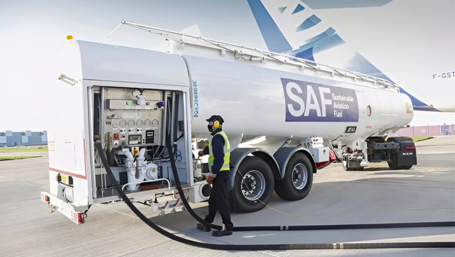
Airbus has formed a sustainable aviation fuel (SAF) strategic partnership with Washington D.C.-based DG Fuels (DGF).
Sep 14, 2023
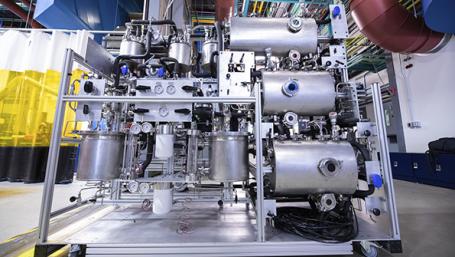
Research into new sustainable aviation fuels moves into high gear as production plans continue to grow.
Sep 13, 2023
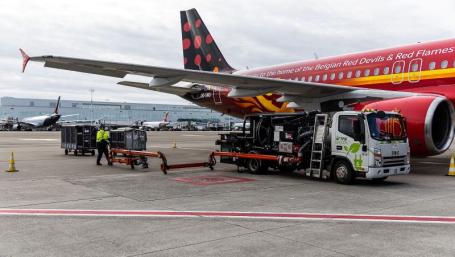
The ReFuelEU Aviation Regulation that paves the way for mandates aiming to boost production of sustainable aviation fuel (SAF) and bring down prices.
Sep 12, 2023
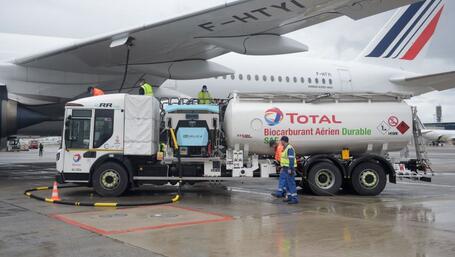
The European Parliament is set to vote on the ReFuelEU legislation Sept. 13, paving the way for gradually increasing mandated levels of SAF.