
Sustainable Aviation Fuel
With governments and airlines committed to decarbonizing aviation by 2050, innovative solutions are required and sustainable aviation fuels (SAF) could play a major role in meeting targets. IATA estimates that SAF could contribute around 65% of the reduction in emissions needed by aviation to reach net-zero in 2050. This will, however, require a massive increase in production in order to meet demand.
Top Story
Sponsored Content
Latest News On Sustainable Aviation Fuels

Jun 24, 2026
European airlines push for Emissions Trading System (ETS) funds to boost sustainable aviation fuel investment ahead of July policy review.

Jun 19, 2026
Laminar flow and cryogenic propulsion top technology lists in the NASA studies.

Jun 18, 2026
SAF producers and proponents of electric flight urge the EC to extend the European Union Emissions Trading System to flights departing the 27-nation EU bloc.

Jun 16, 2026
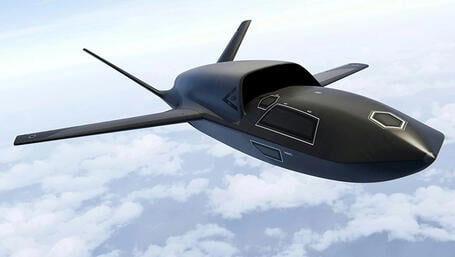
Lockheed’s printed attack drone; flying on solid-state batteries; Embraer tests hydrogen; and SAF from cow manure.

Jun 15, 2026
The UK government is to provide £219 million in funding over the next four years to help develop domestic sustainable aviation fuel (SAF) production.
Jun 15, 2026
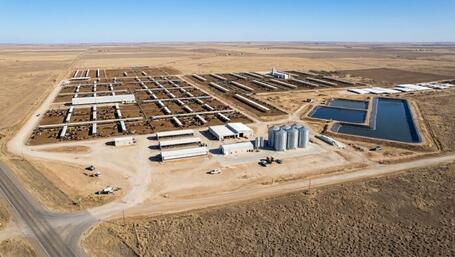
Circularity Fuels produces ASTM-compliant SAF from cow manure biogas in California pilot, targeting cost parity with conventional jet fuel.
Jun 12, 2026
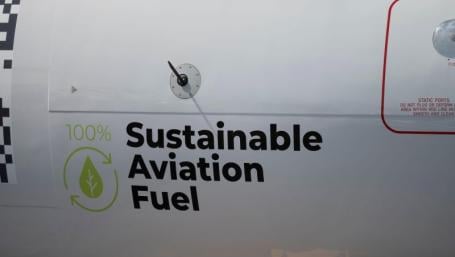
It's not about policies that require SAF, or designing scalable, affordable SAF. The most significant threat to scaling SAF is airport infrastructure itself.
Jun 12, 2026
Our roundup of the main aerospace and defense stories making the news this week.