Podcast: Unpacking Trump’s Gargantuan Military Air And Space Budget
Editors delve into the winners and losers in the White House’s $1.5 trillion defense spending plan.
Today’s aerospace and defense programs demand speed, precision, and resilience. A long-time trusted partner in the industry, Siemens empowers organizations to design, build, and sustain next-generation systems faster. Learn more at siemens.com today.
Subscribe Now
Don't miss a single episode of the award-winning Check 6. Follow us in Apple Podcasts, Spotify or wherever you listen to podcasts.
Discover all of our podcasts at aviationweek.com/podcasts
AI-Generated Summary
The podcast episode delves into the significant increase in the U.S. defense budget proposed by the Trump administration for fiscal year 2027. The budget aims to raise defense spending to $1.5 trillion, marking a substantial increase from previous levels. This proposal includes a $1.15 trillion base budget for the Pentagon, supplemented by $350 billion in reconciliation funds. Additionally, a $200 billion supplemental request is anticipated for the Iran War, potentially bringing the total to $1.7 trillion.
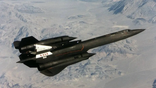
The discussion highlights the historical context, comparing this increase to the Reagan defense buildup of the 1980s, which occurred over eight years, whereas the current proposal aims to achieve a similar increase in just one year. The conversation also touches on the implications for various military branches, with significant boosts in procurement and research and development, particularly for the Air Force and Navy.
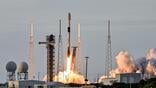
The Space Force is noted as a major beneficiary, with a proposed budget increase of 77%, while NASA faces proposed cuts outside of its human space exploration program. The podcast explores the potential establishment of an autonomous warfare command, drawing parallels to similar developments in Ukraine and Russia.
The episode concludes with a discussion on the challenges of absorbing such a large budget increase and the potential political implications, including the impact of upcoming midterm elections on the budget's approval and implementation.
Key Topics:
- Trump's Fiscal 2027 Defense Budget Proposal
- Historical Context: Reagan vs. Trump Defense Spending
- Pentagon's Base Budget and Reconciliation Funds
- Space Force and NASA Budget Implications
- Autonomous Warfare Command Development
- Procurement and R&D Increases for Military Branches
- Political Implications and Midterm Elections
- Challenges in Implementing the Budget Increase




Related Content