Podcast: The Space Launch Bottleneck—Vulcan, Starship & Startups
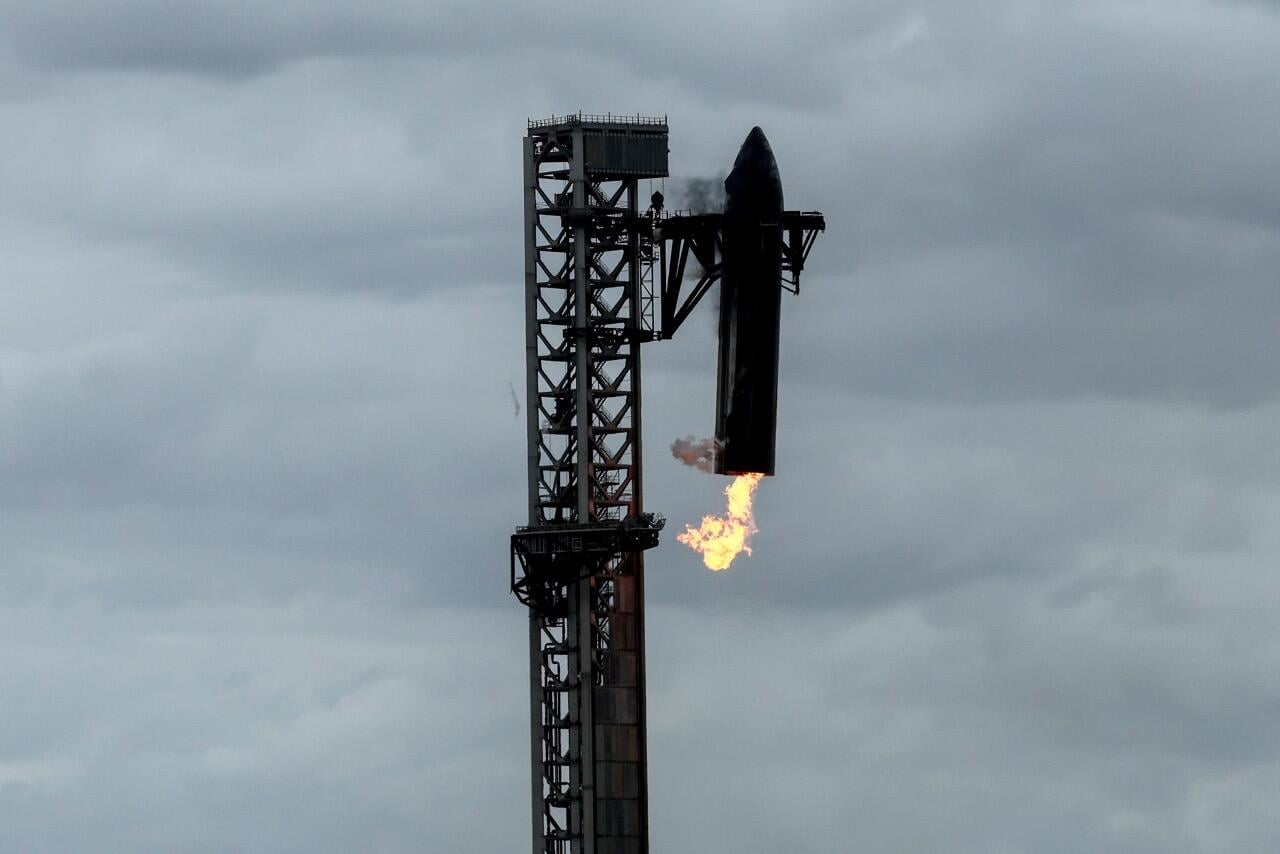
Editors discuss the supply-demand dilemma for satellite companies trying to catch a ride to space, covering the recent Vulcan failure for Amazon Leo, the momentous catch of Starship's upper stage and more.
Subscribe Now
Don't miss a single episode of the award-winning Check 6. Follow us in Apple Podcasts, Spotify or wherever you listen to podcasts.
Discover all of our podcasts at aviationweek.com/podcasts
AI-Generated Summary
Check 6 surveys a space launch market where demand exceeds available rocket capacity. Vulcan’s launch saw its Centaur upper stage short of the energy to reach orbit, losing 40 Amazon low Earth orbit satellites and grounding the vehicle. The investigation focuses on the BE4 fuel supply after preliminary findings clear the engines and solid boosters. The episode traces effects on national security launches: six missions shift from United Launch Alliance to SpaceX’s Falcon family, including GPS payloads. Faster integration enables schedule changes, while West Coast access and polar orbit requirements also affect assignments.
Attention then turns to Starship’s fifteenth flight from Boca Chica. The vehicle delivered 26 Starlink satellites to orbit. Its Super Heavy booster lost an engine and a planned tower catch was aborted but the upper stage was caught for the first time. The episode describes production expansion at Starbase, with facilities planned in Florida and Louisiana, and a larger vehicle under development. NASA expects a future Starship variant to support crewed lunar missions, while the Space Force studies potential uses and launch-range implications.
Elsewhere, launch bottlenecks leave satellite operators searching for rides as commercial Falcon 9 rideshares become less available. Rideshare launches help startups test technology before building constellations, so reduced access changes their funding and planning. Some companies purchase full rocket capacity, sign early contracts for vehicles yet to fly, or pursue their own launch systems. Payloads are increasingly designed to fit multiple rockets, allowing transfers after delays. Capacity and infrastructure remain concerns.
Key Topics:
- Vulcan’s Launch Failure and Investigation
- National Security Missions Shift to Falcon
- West Coast Launch Access and Polar Orbits
- Starship’s Fifteenth Flight
- Booster Recovery and Reusability
- SpaceX Production Expansion
- Launch Access for Satellite Startups
- Flexible Payloads and Launch Infrastructure



Related Content