This article is published in Aviation Week & Space Technology and is free to read until Nov 15, 2025. If you want to read more articles from this publication, please click the link to subscribe.
Opinion: Brexit’s Lasting Impact On The UK’s MRO Workforce
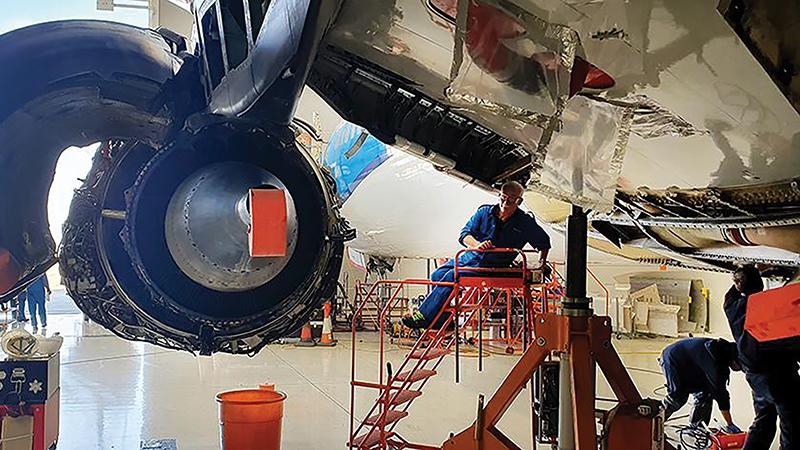
Brexit has limited workforce mobility between the UK and Europe.
Few industries are as global, interconnected and reliant on cross-border collaboration as aviation. The UK has long held a strong reputation as a center of excellence for MRO, but since Brexit, the sector has faced new and ongoing challenges—many of them related to talent.
Oaklands Global has had a front-row seat to shifting workforce dynamics since the UK left the European Union. The MRO market is bouncing back from the COVID-19 pandemic, but availability of technically skilled labor is still one of the sector’s most pressing issues.
Before Brexit, UK MROs benefited from seamless access to engineers and technical specialists across the EU. Licensed engineers from such countries as Hungary, Poland, Portugal and Spain often formed a significant portion of the workforce.
The end of free movement has made this cross-border talent exchange much harder. EU nationals must now navigate visa requirements, work permits and sponsorship hurdles. Many MROs in the UK, particularly those outside London and the southeast, have struggled to adapt quickly. For some, the pipeline of European engineers on which they once relied has all but dried up.
One of the most significant aviation staffing challenges since Brexit has been the licensing split between the UK Civil Aviation Authority (CAA) and the European Union Aviation Safety Agency (EASA). Before Brexit, a licensed aircraft engineer with an EASA Part-66 license could work freely across Europe, including in the UK, without additional bureaucracy. Today, the two authorities no longer automatically recognize each other’s licenses.
This creates a costly and time-consuming dilemma for engineers and MROs. A UK engineer holding only a CAA license may need to pursue an additional EASA license to work on EU-registered aircraft in Europe, and vice versa. The result? Many highly skilled engineers who might once have worked in the UK are staying in the EU, where their credentials are more widely accepted. This has deepened the shortage of licensed staff available to UK MROs.
For employers, this is more than a paperwork issue—it restricts flexibility, slows recruitment and increases costs when demand for maintenance is already high.
With fewer engineers available, competition for talent has intensified. Salaries and contract rates have increased significantly since 2020, and retention has become a major challenge. MROs that once relied on contingent labor now find themselves paying a premium for short-term support.
This inflationary effect on costs directly affects profitability, especially in a sector where margins are already thin. For smaller independent MROs, competing with larger organizations on pay and benefits can be particularly tough.
Despite these headwinds, Brexit has spurred some positives in the UK MRO talent market. The growing demand for technical talent has brought MRO back into the spotlight and highlighted career paths in the sector. Many companies are kickstarting apprenticeship and graduate programs as well as partnerships with technical colleges. Investing in one’s own pipeline of engineers has become more urgent, and that will strengthen the sector’s resilience in the long term.
The workforce squeeze has also accelerated the adoption of digital tools and efficiency-driven technologies. From predictive maintenance to digital records management, companies are seeking to do more with fewer hands.
From our perspective as aviation recruiters, Brexit has fundamentally changed the way we support MRO clients. Broader search strategies are now essential, and we cast a much wider net and conduct deeper dives into passive candidate markets. Searches are done not only across Europe, but also in regions such as the Middle East and Asia to identify experienced engineers who are open to relocating to the UK or seeking opportunities to return home.
Visas and relocation advisory have become part of our remit, as clients rely on us both to identify talent and to guide them through the complexities of moving skilled workers to the UK. Retention consulting is increasingly in demand, and we advise MROs on structuring compensation, career progression and workplace culture to retain the engineers they have.
Brexit has made one thing clear: The UK MRO sector can no longer rely on easy access to a broad European labor market. Success will depend on proactive workforce planning, domestic talent pipelines and smarter approaches to attracting international specialists.