Fast 5: Aeroplex Targets Big Engine-Part Growth At Budapest Component Repair Center
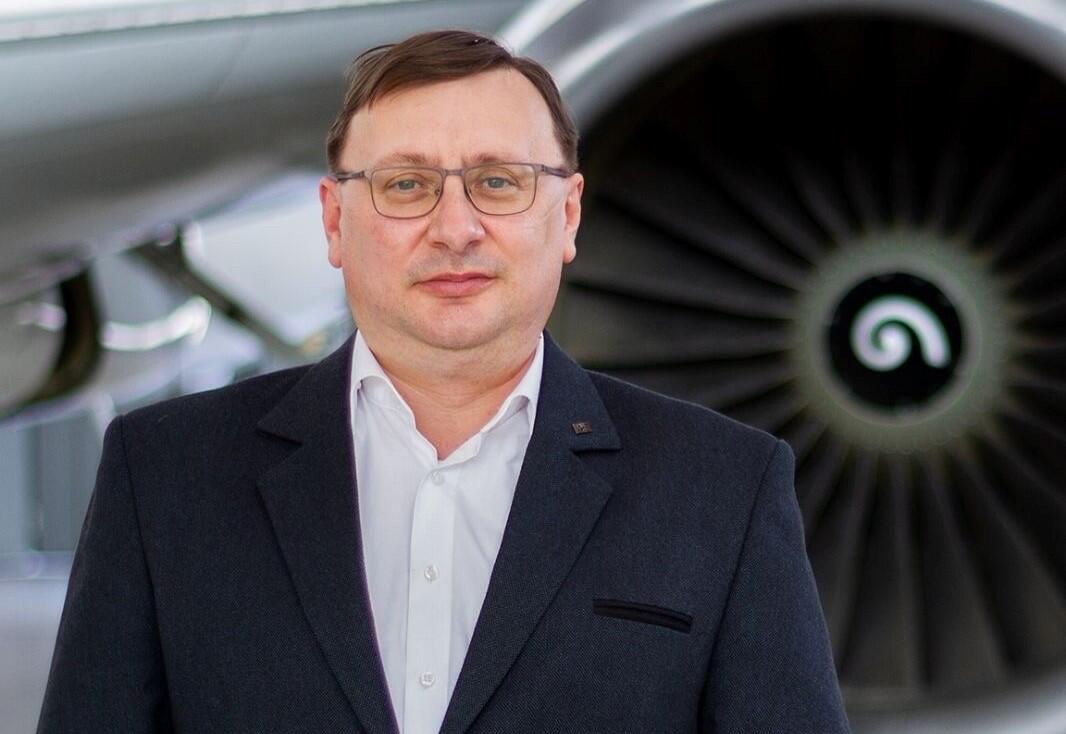
Aeroplex's Ferenc Hortobagyi
One year after Aeroplex opened a designated component repair center close to its Budapest headquarters, Ferenc Hortobagyi, the company’s component repair director, discusses the continuing ramp up of the operation and where it is planning more large-scale investments.
Aeroplex opened its component repair center one year ago. How would you describe the first year?
Intense, fast-moving and highly productive. Despite opening in November 2024, most of the past 12 months have been dedicated to ramp-up activities: onboarding new staff, configuring tooling and engineering processes, stabilizing production flows and transferring repair activities into the new environment. Achieving this has required tight coordination between human resources, engineering, logistics and our Part 147 training organization. As we celebrate the first anniversary internally with our staff, we see this year as the foundation stage—the real acceleration will come in 2026 and 2027 as major technologies and new capabilities come online.
Which component repair segments have developed the fastest in recent times?
Engine piece-part repairs, by a significant margin. We entered this space back in 2019, working on CFM56 components, but demand surged over the past two years. In 2025, we added GE90 and GEnx spinner repairs, and we are now developing GE90 acoustic component repairs as well as expanding into CF6 and additional CFM56 spinner capabilities. These expansions require advanced surface treatment processes and tighter engineering control, but they also position us as a credible partner for both OEMs and European engine shops that are under enormous turnaround-time pressure.
This growth is tied to wider engine MRO capacity challenges in the market. The entire sector is experiencing extended TATs. A CFM56 engine overhaul, which used to take 50-75 days, can now reach 120 days or even more. These delays put a serious burden on airlines—they need more spare engines, and in many cases they face AOG situations. The reasons are well known across the industry: global supply chain constraints and bottlenecks that affect both material availability and repair capacities.
Our priority is that every component we repair must be returned to the customer on time and at the highest quality level. Because we can deliver CFM56 components in about 12 days (versus a 14-day commitment) and acoustic panels in as little as eight to nine days, we have attracted new business from both OEMs and airlines. In 2024 alone, the shop produced more than 6,000 engine components. Maintaining 100% on-time delivery for several product lines over four to five years has helped build credibility.
Are you expanding other component capabilities beyond engines?
Yes. Composites are an important area of growth; we industrialized radome repairs this year and are building toward full capability for Airbus A320 and Boeing 737 aircraft. On emergency equipment, we are pursuing agreements with OEMs to overhaul oxygen bottles and broaden our aircraft slide repair portfolio beyond current types. We are also developing test and analysis capabilities for flight data and cockpit voice recorders, which strengthens the avionics side of the business and expands the range of components we can keep in-house.
Aeroplex also targeted advancing its presence in the wheels and brakes segment. How has this progressed?
This shop was the first that we moved to our new component repair center. The wheels and brakes shop achieved stable output this year. We saw around 25% growth in 2025 and expect to participate in larger tenders in 2026-2027. The new facility layout and logistics integration helped shorten internal route times. It’s still in the ramp-up phase, but the foundations are strong. Thanks for our state-of-the-art equipment we can accommodate 30 wheels per day in our new shop. We are establishing a bigger wheels and brakes asset for exchange and pool services.
What are some of the investment goals for the next two years?
The next two years are centered on capability and technology expansion. We have a $15 million investment plan—currently under review with ownership—that covers new thermal spray systems, vacuum processing, machining, welding equipment, an autoclave for complex composite repairs and more sophisticated digital metrology and automation. These technologies will allow us to broaden repair depth, reduce manual rework and support certification for additional platforms. To operate this equipment, we will hire about 45 new specialists, which will nearly double the technical workforce dedicated to the component repair center. Our in-house Part 147 training center has been key. It allows us to deliver basic training, vocational training and type-related courses internally, which dramatically shortens the hiring cycle. The school is now serving third-party students as well, which strengthens the overall pipeline for Hungarian aviation. Within the shop, we manage capacity using flexible deployment—moving skilled personnel between composites, wheels and brakes and engine parts during peak periods.

Related Content