This article is published in Aviation Week MRO part of Aviation Week Intelligence Network (AWIN), and is complimentary through Jan 19, 2026. For information on becoming an AWIN Member to access more content like this, click here.

Daily Memo: MRO Growth Rate May Slow A Bit In 2026, But Good Times Are Still Rolling
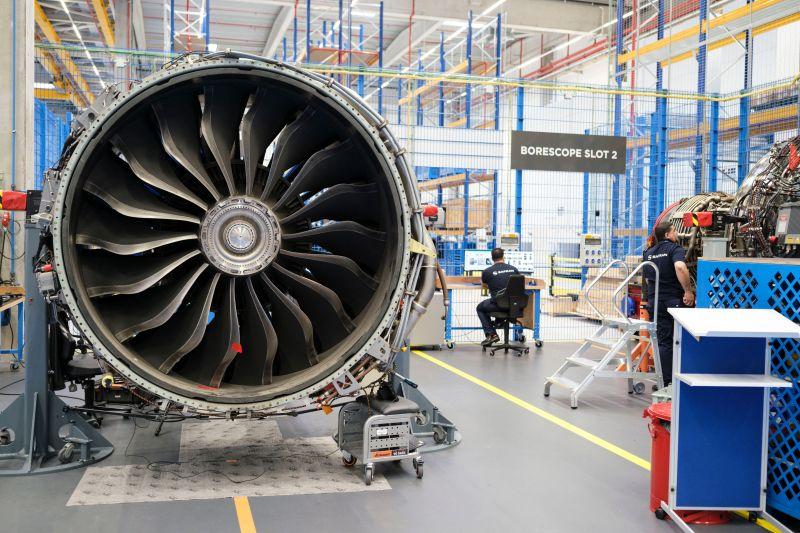
safran engine new MRO workshop
Credit: Andia/Alamy Stock Photo

The commercial aftermarket boom won’t last forever. Eventually, airlines will have enough new capacity to park lots of older, maintenance hungry models and passenger demand will slow down, which will speed up fleet modernization efforts.

But anyone waiting for such a shift better be patient.

The early outlook on 2026 from companies in the business sees a sizable jump in spending across the commercial aftermarket landscape, the latest quarterly MRO survey from RBC Capital Markets shows.

Among the specifics that should please most aftermarket executives: Total MRO sales are projected to post a low-double-digit increase this year, with the red-hot engine segment reaching mid-single digits. And while new-aircraft deliveries are on the upswing, retirements will remain low.

One reason? Traffic demand’s growth pace will slow, but not by much. IATA’s most recent figures see annual revenue passenger kilometers are projected to climb 4.9% this year, versus 5.2% in 2025. Capacity, a better measure of MRO demand, will edge up 4.7% year-over-year, down from 4.9% a year ago.

The primary growth inhibitors are “persistent capacity constraints, including delays in aircraft deliveries, maintenance backlogs, and labor shortages,” IATA said.

Add it all up and the bottom line for MRO providers is more opportunity.

“We believe that supply chain constraints and the pace of new aircraft and engine deliveries will continue to drive a risk-averse focus for the airlines and MROs,” RBC wrote in an analysis of its survey. “Note that we are not seeing significant lead time improvement across the industry, especially in the data captured in this survey. As a result, we are not surprised to see inventory levels remain relatively low in this survey.”

Concerns over new tariffs introduced by the U.S. have hung over parts purchasers since they appeared last year. Would purchasers stock up to beat anticipated cost increases, creating an artificial bubble in the process? Would prices spike for key parts caught up in the byzantine and seemingly ever-changing tariff table?

So far, news continues to be good on all fronts, RBC’s survey shows.

“There has been some speculation that [fourth quarter 2025] benefited from some pre-buying, and that the broader tariff uncertainty has led to some elevated parts purchasing across 2025 (especially in China),” Herbert wrote. “But we do not see any evidence of meaningful over-buying in our [fourth quarter 2025] survey results.”

Indeed, concerns over global macro factors such as tariffs and economic growth came in mid-pack on survey respondents’ list of most worrisome near-term headwinds.

Finishing at the top were two familiar issues: spare parts availability (both getting needed material in a timely manner and getting it, period) and the pace of new aircraft deliveries. In each case, more than 50% of the survey’s 40-plus respondents flagged the two issues as among their top three key factors influencing growth in the first half of 2026.

Sean Broderick

Senior Air Transport & Safety Editor Sean Broderick covers aviation safety, MRO, and the airline business from Aviation Week Network's Washington, D.C. office.