Condor Technik is overhauling its MRO operations as the airline division retires its Boeing 757s and 767s, replacing them with Airbus A330neo and A320neo aircraft. In the process, it is redefining maintenance practices, tooling and technician training across its network.
Michael Stricker, head of operational development and support at Condor Technik, explains how the organization was restructured to support the airline’s next-generation fleet. “To integrate the Airbus A330neo into operations, certifying staff completed focused retraining from Boeing to Airbus platforms, including the new A330neo type rating,” he tells Aviation Week. This retraining has extended beyond certifying engineers to include production planning teams, who have undergone dedicated Airbus-focused instruction.
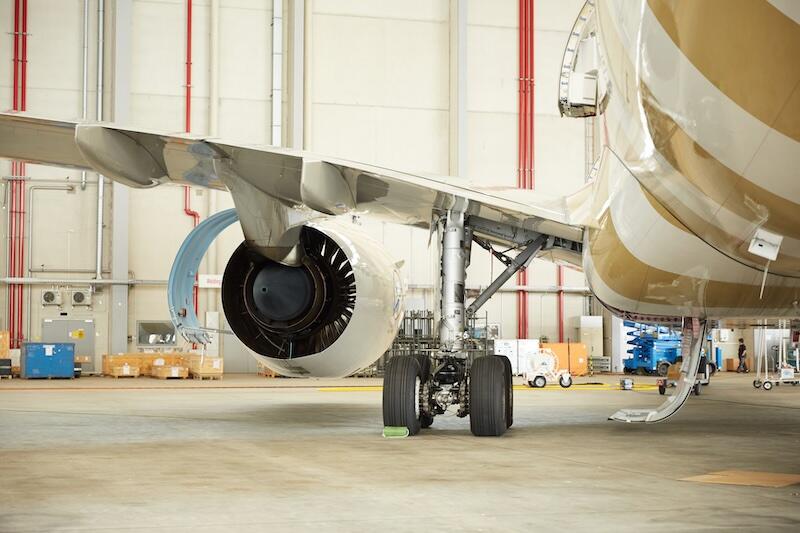
Condor Technik has also retooled its workshops and vehicle fleets to match the A330neo’s maintenance demands. “Workshop vehicles were modified and redesigned to match the specific requirements of this aircraft type,” Stricker adds. The MRO provider has obtained approvals from aviation authorities for A330neo handling at both Frankfurt and Düsseldorf, while its maintenance management system, Swiss-AS AMOS, has been updated to reflect new qualifications, spare parts and tool inventories.
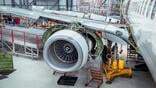
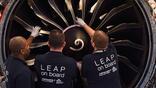
The arrival of the A330neo has also triggered investments in new tooling and ground support equipment, particularly to service the aircraft’s Rolls-Royce Trent 7000 engines. “The aircraft’s innovative connectivity and satcom systems required both dedicated staff training and the acquisition of specialized tools for effective operation and maintenance support,” Stricker says.
At Frankfurt, Condor Technik has overhauled its line maintenance philosophy. The introduction of the A330neo has prompted a move “from a traditional check-based program to a task-based maintenance philosophy,” according to Stricker. The company has shifted away from conventional A Checks toward condition-based maintenance, using digital monitoring and aircraft health data to plan interventions more efficiently. This transition, he says, is improving operational reliability while reducing unnecessary ground time.
While the long-haul A330neo program is settling in, the short- and medium-haul renewal with the A320neo presents its own challenges. The introduction of new Airbus systems and documentation requires thorough familiarization with updated maintenance manuals, the Airbus-specific system philosophy and innovative technologies such as inflight entertainment systems. Additionally, he notes that training demands remain intense, with multiple courses needed to certify maintenance staff.
Stricker acknowledges that building experience with the new aircraft poses challenges due to fewer established routines compared to longstanding familiarity with aircraft like the 757 or 767. Troubleshooting, specialized tooling and complex systems such as the Pratt & Whitney PW1100G engines all add to the learning curve.
Condor Technik’s response has been to balance its resources carefully between legacy and new fleets. “The division of labor between maintenance stations is organized by aircraft type to optimize efficiency and expertise,” Stricker explains. A Checks for the 757 are now concentrated in Düsseldorf, while A330neo line maintenance is focused in Frankfurt.
Fleet transformation has also reshaped inter-station coordination. Düsseldorf has been equipped with new tooling and ground support equipment to handle A330neo C1 Checks, while A330neo-specific material logistics have been introduced to support winter operations.
Stricker says Condor Technik’s upgrades focus on being flexible and sharing expertise across aircraft types. Lessons learned from the A330neo and A320ceo are helping prepare teams for the A320neo, creating a more efficient, digitally driven maintenance operation ready to support Condor’s incoming Airbus fleet.
The fleet renewal at Condor is well underway. According to Aviation Week Network fleet data, the carrier now operates seven 757s, with all 767s already retired. Condor currently has 18 A330-900s in service, with just three more scheduled for delivery—two in 2026 and one in 2027. in 2026 and one in 2027.