AJW Group says demand for component support across Africa continues to grow, driven by heavily utilized mid-life aircraft fleets and growing airline expansion plans, although cash flow pressures and limited local support infrastructure continue to shape maintenance decisions across much of the continent.
The assessment follows AJW Technique’s recent approval as a South African Civil Aviation Authority (SACAA) Approved Maintenance Organization, a certification that enables the Montreal-based component MRO facility to perform maintenance on civilian aeronautical components under SACAA oversight. While the approval expands AJW’s ability to support South African operators directly, it also provides the company with a clearer view of a regional aftermarket that remains firmly centered on component repair, exchange and used serviceable material (USM) support.
According to Scott Symington, chief commercial officer at AJW Group, South Africa continues to be characterized by a fleet profile that naturally drives aftermarket activity.
“Demand in South Africa is very much driven by mid-life fleets, particularly [Boeing] 737NG/Classic, [Airbus] A320ceo, A330 and Embraer ERJs. These aircraft are highly utilized and naturally generate strong demand for component repair, exchange and USM support,” he tells Aviation Week.
The country’s relatively limited penetration of newer-generation aircraft also continues to influence maintenance demand.
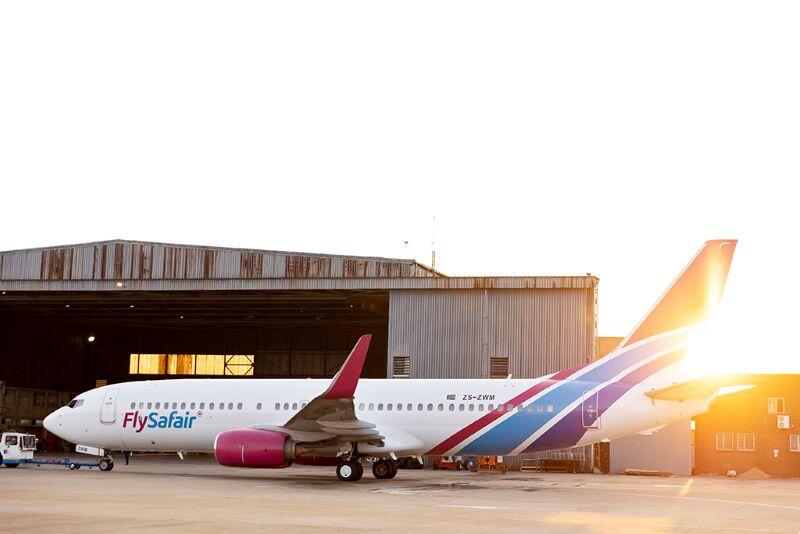
“It’s a very aftermarket-heavy environment, with limited penetration of newer types like [A320]neo, [737] MAX or [Embraer] E2,” Symington says. “We have seen demand strengthen further since our [power-by-the-hour] agreement with FlySafair in 2025. That said, across the wider operator base, cash-flow constraints remain a consistent challenge affecting maintenance planning and spend.”
That combination of mature fleets and constrained maintenance budgets means operators are increasingly focused on extracting maximum value from existing assets, reinforcing demand for repair and exchange services rather than outright component replacement.
Looking beyond South Africa, AJW sees similar momentum developing across the wider African market as airlines continue modernizing fleets while seeking dependable long-term aftermarket support.
“Across Africa, the market is busy and growing, with clear opportunities tied to the adoption of newer-generation aircraft like the [Airbus] A350, [Boeing] 787 and A320neo,” Symington notes. “Airlines such as Ethiopian, Kenya Airways and EgyptAir already have long-term growth strategies in place, which aligns well with our inventory planning.”
While those fleet expansion programs point to growing opportunities for component support providers, Symington believes many operators are still working to secure stable aftermarket partnerships capable of supporting long-term fleet growth.
“While demand is there, cash-flow constraints continue to impact consistency, even among some of the continent’s largest carriers,” he adds.
Although supply chain disruption continues to affect airlines globally, AJW does not view Africa’s challenges as fundamentally different from those seen elsewhere. Instead, the distinction lies in the maturity of regional support infrastructure.
“In reality, the core supply chain challenges are similar globally,” he adds. “The key difference in Africa is a heavier reliance on external supply, with less local inventory and warehousing available. That can sometimes extend lead times or add complexity.”
He adds that strong global aftermarket networks continue to provide viable solutions for most commercial components.
“It’s less about unique challenges and more about operating in a region with fewer local support structures compared to more mature aviation markets like Europe and the Americas,” he says.

Related Content