Constrained new aircraft production and ongoing new-technology engine issues mean that lease extensions “far outnumber” lease transitions, according to Mike Inglese, the chief executive of Aircastle.
The aircraft lessor recorded a 22% increase in lease rental revenue in its third quarter, during which, for the first time, the share of new-technology aircraft exceeded 50% of its portfolio by value.
However, current-generation assets remain an important part of the lessor’s strategy as it sees service lives being extended for airlines’ older aircraft.
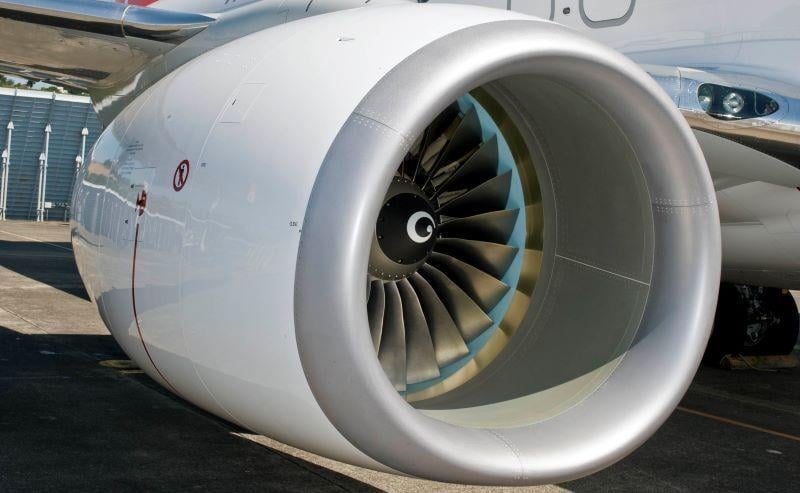
JP Morgan analyst Mark Streeter asked how this dynamic affects Aircastle’s plans for its older engines: “On older aircraft, the value disproportionately skews to the engines, but it’s at an extreme, probably the biggest extreme it’s really been in modern times … So how does that factor into how you think about churning the older end of the portfolio, whether you’re ripping engines off early, or does it make you want to keep older aircraft longer, [or] sell them sooner?”
Aircastle’s CFO Roy Chandran said the lessor seeks to balance engine usage across its fleet, managing expiry profiles and selling assets when it makes sense.
He added: “As we look at our own portfolio, we’re always looking at ways to leverage the use of engines across our portfolio with our customers. And when we’re thinking about kind of end-of-life realities with respect to our leases and end of lease, we’re trying to do the best we can to make that end-of-lease mixture be as much cash due from the lessee as possible.”
Aircastle’s net income for the three months to Nov. 30, 2025, its third quarter, was $31 million, up from $18 million in the prior-year quarter.
Sales proceeds for the year to that date were $369 million, from which Aircastle recorded gains on sale of $60 million, slightly higher than in the previous year.

Related Content