Vijay Singh, Kenya Airways capability development and MRO sales lead, speaking at the African Airlines Association MRO Conference in late March.
ADDIS ABABA—African aviation maintenance providers are continuing to build capability, with Kenya Airways MRO and South African Airways Technical outlining a series of developments that point to a gradual strengthening of the continent’s MRO capacity.
Recent updates from both organizations highlight new heavy maintenance milestones, fleet‑driven workload recovery and a clearer picture of how African MROs are positioning themselves for the next phase of demand.
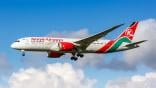
Kenya Airways MRO confirmed during the recent African Airlines Association MRO Conference here that it was completing its first Boeing 787 D check, marking a significant step in its widebody maintenance capability. The heavy check marks the first time the Nairobi‑based provider has undertaken the highest‑level maintenance inspection on the aircraft type. The development adds a new layer of in‑region capacity for 787 operators and reflects several years of preparation and internal capability-building.
Vijay Singh, capability development and MRO sales lead at Kenya Airways, said the organization has been focused on expanding both internal maintenance capability and its ability to support operators across the continent. He referenced progress on securing additional civil aviation approvals in several African states, such as Mozambique and Nigeria, and countries in central Africa. Singh emphasized that the broader objective is to ensure the organization can support operators at their own stations when required, with teams positioned to provide on‑site maintenance solutions.
Alongside the 787 work, Kenya Airways MRO is continuing to build up C check capability on the 767 and 777. These developments support both internal fleet requirements and third‑party demand, reflecting a wider trend of African operators seeking more in‑region options for widebody maintenance.
Singh also noted efforts to extend the company’s European Union Aviation Safety Agency Part 145 approval in Nairobi more broadly within the organization’s operating footprint.
South African Airways Technical (SAAT) provided a parallel update on its operational trajectory as its parent airline continues its post‑restructuring rebuild. Acting CEO Moosa Desai said South African Airways’ fleet has grown to 19 aircraft today from six aircraft at restart, forming a substantial portion of SAAT’s workload. The South African MRO has maintained a mix of internal and third‑party work throughout the recovery period, supporting multiple African carriers.
Desai described the growth as steady but measured, noting that SAAT is increasing capacity cautiously to avoid over‑extension. “We have seen progressive growth. We are ramping up cautiously to match that growth to make sure we do not over‑capacitate,” he said. At the same time, SAAT continues to fill available maintenance slots with third‑party work, maintaining its long‑standing role as a regional provider.
While challenges remain, particularly around workforce development and regulatory harmonization, these developments suggest a growing ability among African MROs to support both local and regional operators with increasingly complex maintenance requirements.

Related Content