This article is published in Aerospace Daily & Defense Report part of Aviation Week Intelligence Network (AWIN), and is complimentary through Oct 31, 2026. For information on becoming an AWIN Member to access more content like this, click here.
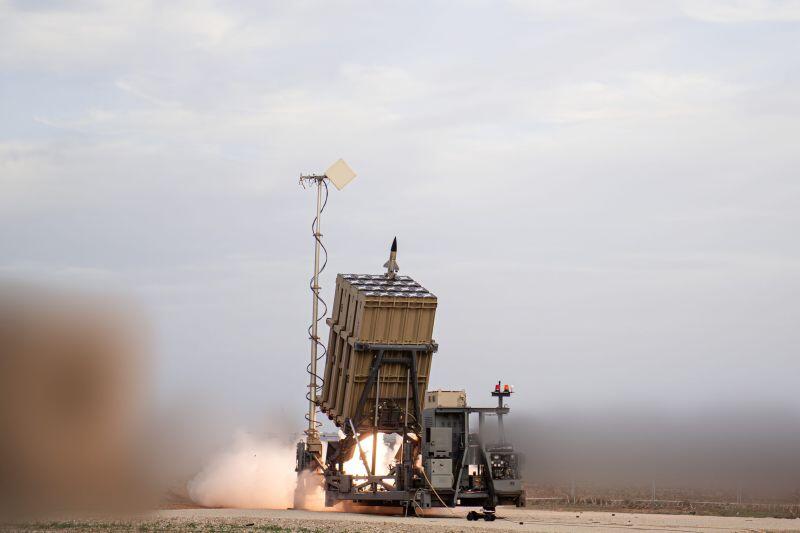
Rafael’s Iron Dome air defense system.
Rafael CEO Yoav Tourgeman raised new concerns in an exclusive interview about the impact of a potential phaseout of U.S. military aid to Israel after 2028.
Speaking on the sidelines of the Association of the U.S. Army’s annual meeting on Oct. 14, the top executive of the state-owned armaments company said he will support any agreement on military aid between the U.S. and Israeli government. But he personally worries about how a phaseout of military aid would reduce the close links between the defense industries of both countries.
“In the past, there was a kind of encouragement because you had money to spend in each other,” Tourgeman said. “It’s not a significant amount of money in any perspective, but it maintains the flow of ideas, the flow of projects. If it will not be [renewed], I hope that connection will maintain. Probably not in the same level because, you know, day-to-day you have to make your living and you have to deliver, so it will be probably less. But I think that for the benefit of both countries, it should be kept.”
The latest in a series of 10-year memoranda of understanding on U.S. military aid for Israel expires in 2028. The agreement set annual military aid to Tel Aviv at $3.8 billion, including $500 million a year set aside for missile defense projects. As talks began late last year to renew the agreement for a fourth time, Israeli Prime Minister Benjamin Netanyahu suggested the time may have come to phase out the military aid by the end of the next 10-year agreement. The talks about the new memorandum of understanding are believed to be continuing.
Tourgeman noted that the $3.8 billion now represents a smaller percentage of Israel’s overall defense budget. The Israeli government approved a total of 158 billion shekels ($51 billion) for 2026, which is more than three times higher than before 2024, according to an Oct. 13 report in Israel’s Globes newspaper. But the value of the industrial and engineering connections created by the aid provides a larger value for both countries, he added.
“I do believe that that aid serves both sides in a perfect way, and I think that both sides have benefited,” Tourgeman said.

Related Content