This article is published in Aerospace Daily & Defense Report part of Aviation Week Intelligence Network (AWIN), and is complimentary through Mar 11, 2026. For information on becoming an AWIN Member to access more content like this, click here.

New Zealand Air Force Explores New Strike, ISR Options

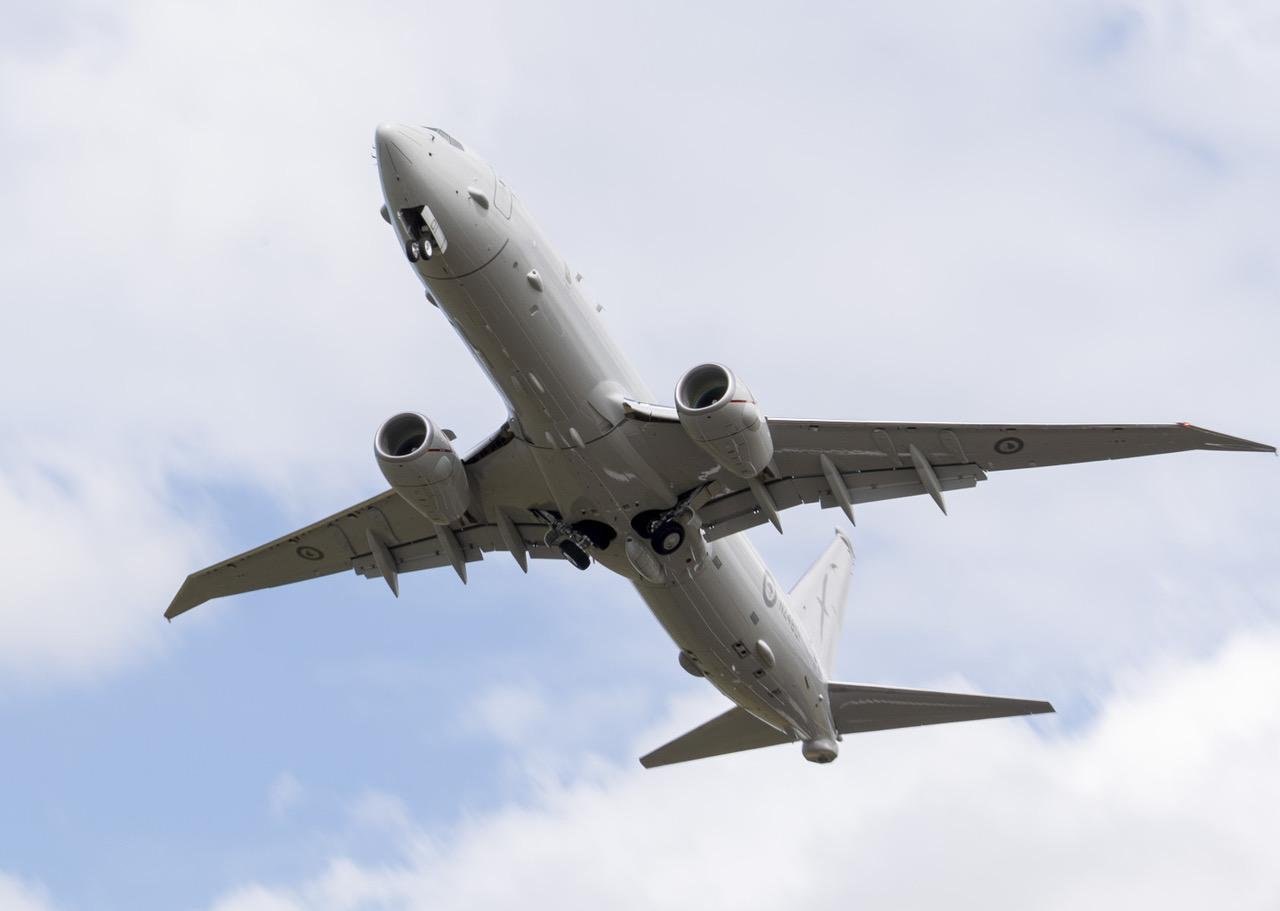
P-8A
Credit: RNZAF

SINGAPORE—The New Zealand Defense Force (NZDF) has established both an enhanced strike project and a persistent intelligence, surveillance and reconnaissance (ISR) project to examine future air-to-surface weapons, targeting capabilities and sensing options.

The move follows New Zealand's release of its Defense Capability Plan (DCP) last August. The DCP identified initial requirements for strike, uncrewed and space-related capabilities as Wellington looks to rebuild elements of combat power lost more than two decades ago.

Royal New Zealand Air Force (RNZAF) chief Air Vice-Marshal Darryn Webb told Aviation Week on Feb. 4 at the Singapore Airshow that the Boeing P-8A Poseidon will serve as the logical integration platform for both strike and ISR capabilities. The service is working with Australian and U.S. counterparts to make the aircraft weapons-capable.

Webb revealed that the RNZAF is aiming to conduct its first Harpoon anti-ship missile launch from a Poseidon in mid-2026. New Zealand largely relinquished its fixed-wing strike role following the retirement of its A-4K Skyhawks in the early 2000s.

“That’s the first good step, and then we’ll be exploring opportunities for what might suit our needs,” Webb said.

In parallel, the persistent ISR project is assessing a mix of uncrewed aerial systems and potential space-based solutions to monitor New Zealand’s extensive maritime domain, which spans an area equivalent to roughly one-twelfth of the Earth’s ocean surface.

Webb added that the RNZAF is building space-related expertise, beginning with space domain awareness and potentially expanding into satellite uplink ground stations to support national and partner requirements.

These efforts will be guided by the DCP, which is set to be refreshed on a two-year cycle.

Webb said the RNZAF does not currently anticipate investing in a conventional crewed air combat capability, but hinted at future uncrewed options.

“It’s not on the current Defense Capability Plan agenda, but every year we see enhancements in uncrewed system technology and the ability to lift those capabilities, including developments by Australia and others,” he said, adding that such systems could hypothetically be integrated with the RNZAF’s Poseidon fleet.

Chen Chuanren

Chen Chuanren is the Southeast Asia and China Editor for the Aviation Week Network’s (AWN) Air Transport World (ATW) and the Asia-Pacific Defense Correspondent for AWN, joining the team in 2017.