This article is published in Aerospace Daily & Defense Report part of Aviation Week Intelligence Network (AWIN), and is complimentary through Mar 09, 2026. For information on becoming an AWIN Member to access more content like this, click here.
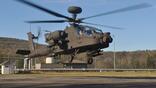
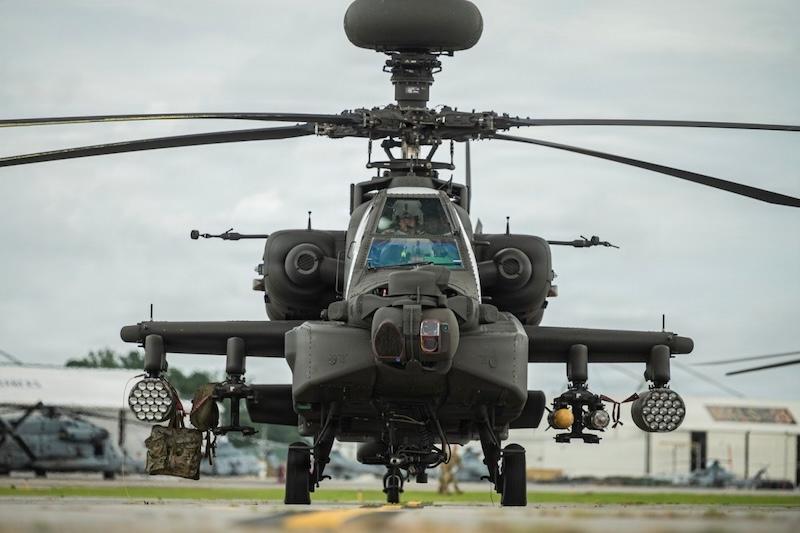
AH-64E Apache.
Credit: U.S. Army
SINGAPORE—A U.S. Army plan to go to a pure fleet of AH-64E Apaches by retiring its D models is starting to have ripple effects internationally, and Boeing is taking that as an opportunity to bring on more interest in the E model while also touting new capabilities the gunship will have.
The Army Transformation Initiative plan rolled out in April 2025 includes retiring 91 AH-64Ds and deactivating air cavalry squadrons as part of a broad overhaul, which will allow the service to save money on sustainment and training.
Terry Jamison, Boeing’s director of attack helicopter programs, says the company wants to “continue the momentum” it has with its existing D-model customers and convince them to decide to remanufacture those into Es.
“As the Army goes pure fleet, you can imagine what that’s going to do to the sustainment challenges for an older Delta-model aircraft, right?” Jamison tells Aviation Week ahead of the Singapore Airshow here. “It’s very important to get all of our internationals interoperable.”
Boeing currently has a backlog of about 300 Apaches, both new-build and remanufactured D models. Jamison says there are a number of letters of offer and acceptance from international customers working their way through the congressional notification procedures, along with nine customers in the early stages of the foreign military sales process.
Of those, there are two nations that have not operated the attack helicopter before. These undisclosed nations are coming to visit the Apache manufacturing facility in Mesa, Arizona, next month, so they are “very serious about it,” Jamison says.
One of those nations has already reached out to the U.S. government about the Army’s retiring D models, to see if they could use the parts from them to be remanufactured into Es, he says.
As part of the pitch, Boeing is highlighting two new capabilities of the aircraft. The first is how the Army is bringing on launched effects—using the gunship to air-launch small drones for surveillance, attack or other missions. In September, Boeing conducted a laboratory demonstration using the newest version 6.5 Apache to launch effects developed by other companies. Following this test, the Army plans to do a live demonstration this summer at Yuma Proving Ground, Arizona.
The other capability is using the Apache for counter-uncrewed aircraft systems. This largely started with Israel’s A- and D-model aircraft connecting to the nation’s Iron Dome system, using the helicopter’s fire-control radar in an air-to-air mode to track and shoot down drones.
The U.S. Army followed suit with a demonstration late last year with South Carolina National Guard version 6 AH-64Es downing a series of drones. The helicopters used Hellfire missiles to down large drones, laser-guided Advanced Precision Kill Weapon System rockets for medium-sized drones and the 30mm gun for small drones. During the demonstration, called Operation Flyswatter, the Army achieved 13 kills in 14 engagements.