This article is published in Aerospace Daily & Defense Report part of Aviation Week Intelligence Network (AWIN), and is complimentary through Nov 13, 2025. For information on becoming an AWIN Member to access more content like this, click here.

Boeing, Leonardo Team Up For U.S. Army Training Competition

TH-73A

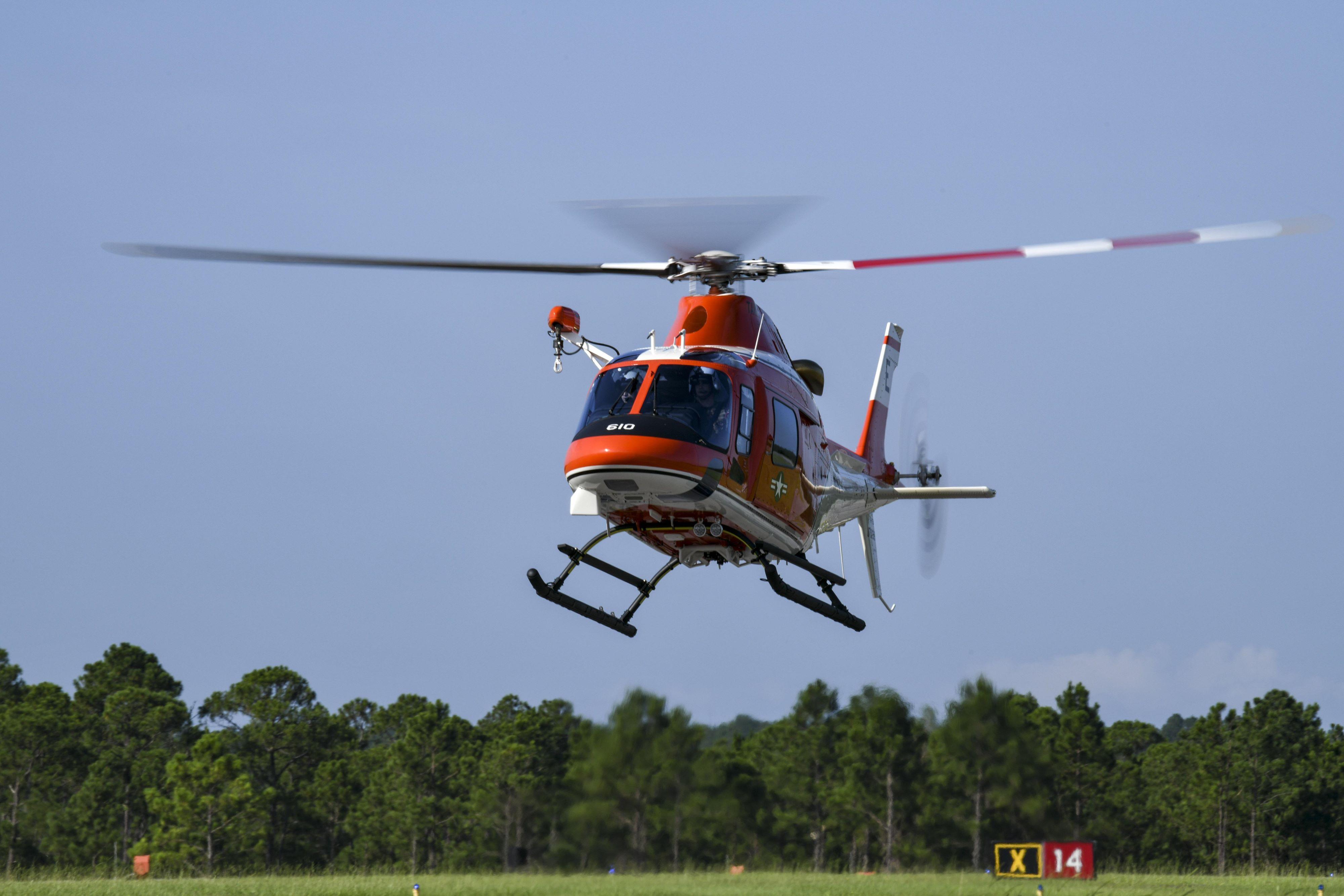
U.S. Navy TH-73A Thrasher

Credit: U.S. Navy

Boeing and Leonardo are teaming up to compete for the U.S. Army’s future helicopter training program, offering the AW119T as a contractor-owned, contractor-operated aircraft replacement for the service’s current UH-72 Lakota fleet.

The Army wants to transition away from the twin-engine UH-72 to a cheaper option, which also will provide future pilots more intensive hands-on training. Service officials say pilots who train on the highly capable UH-72 are graduating without enough skills on the basics of flying.

Boeing and Leonardo announced the teaming agreement Oct. 13 at the Association of the United States Army symposium in Washington, months after Boeing said it had been considering how to enter the competition. Leonardo had previously said it would offer the AW119T, and is bringing on Boeing as a partner because of the nature of the services contract, says Andrew Gappy, Leonardo’s vice president of U.S. government programs.

“This is arguably going to be one of the largest service contracts in all of the DOD,” Gappy says. “We’re not a proven service provider like Boeing Global Services is, and we looked at it and went, ‘What’s the best way to administer this?’ We know we have the right aircraft, we have the right training solution, we can support all elements of the operation, but we need someone who’s got a proven record with the Army.”

Leonardo produces the U.S. Navy’s TH-73A Thrasher, a variant of the AW119T, for the Navy and Marine Corps. Using this helicopter for undergraduate pilot training allows the Army to take advantage of the Navy’s work, Gappy argues.

“It’s a tough, tough environment and what the Army gets by going [down a] similar path that the Navy [took is] they get all that risk bought down already by the Navy,” he says.

In addition to producing multiple helicopters for the U.S. Army, Boeing also provides training services and mission systems support for its AH-64A Apache fleets globally. This includes providing live, virtual and constructive simulation and other trainers. The companies also point to work they have done together on the U.S. Air Force’s MH-139 program.

“We have something of a tried and trusted relationship specifically on the defense side. We have a very broad relationship, company to company, and then our services business … certainly brings a degree of scale and brings a degree of leverage that we can certainly bring to bear,” says Turbo Sjogren, vice president and general manager of government services at Boeing Global Services.

Leonardo and Boeing join a series of other competitors for the Flight School Next program, including Airbus, Bell and AeroTEC, MD Helicopters, and Robinson with M1 Support Services.

Brian Everstine

Brian Everstine is the Pentagon Editor for Aviation Week, based in Washington, D.C.