This article is published in Aerospace Daily & Defense Report part of Aviation Week Intelligence Network (AWIN), and is complimentary through Aug 24, 2026. For information on becoming an AWIN Member to access more content like this, click here.
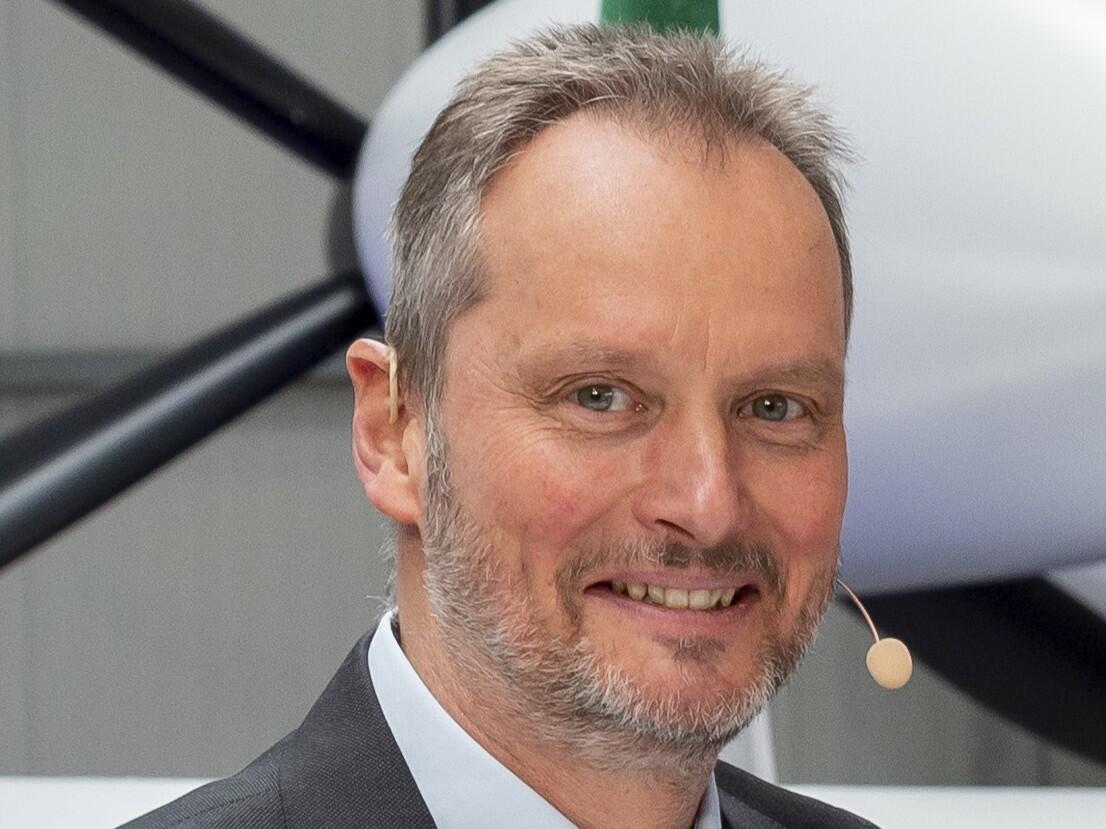
Airbus Defense and Space CEO Michael Schöllhorn.
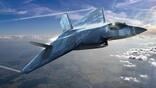
FARNBOROUGH, England—Airbus is working to maintain momentum on a future fighter as it looks to recover from the collapse of the Franco-German-Spanish New Generation Fighter program.
“We are currently setting ourselves up to not lose time,” Airbus Defense and Space CEO Michael Schöllhorn told investors on the sidelines of the Farnborough Airshow. “My preference does entail we find a solution that gives Airbus a significant position in a sixth-generation fighter with a Spanish and German industrial footprint.”
The New Generation Fighter program fell apart largely because Dassault Aviation and Airbus were unable to overcome industrial differences. Any new arrangement, Schöllhorn said, “would have to be something where we have the feeling from day one that the industry is actually pulling at the same rope in the same direction.” While he would not identify potential paths forward, he said, “There's a few options in Europe to work together.”
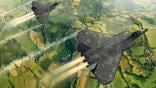
Since the breakup appeared likely, questions have swirled over whether Germany may join the British-Italian-Japanese Global Combat Air Program (GCAP), which involves BAE Systems, Leonardo and Mitsubishi on the industrial side.
Leonardo CEO Lorenzo Mariani said Germany's involvement would bring a strong industrial partner as well as financial muscle. German industry also has worked with British and Italian firms, he said, in an oblique reference to the Eurofighter industrial consortium.
However, German involvement also could create disruption. Canada on July 21 agreed to join GCAP as an observer. That would be difficult in Germany's case, Mariani said, so shoehorning the country into the program could lead to delays at a time when the partners are committed to fielding an initial capability in 2035.
Airbus also said, as part of its midterm business outlook, that adjusted earnings should increase to €1.3 billion ($1.5 billion), up from €800 million. The company is looking at further acquisitions as part of its growth plan.