Viewpoint: What Operators Need to Know About the Jet Fuel Crisis This Summer
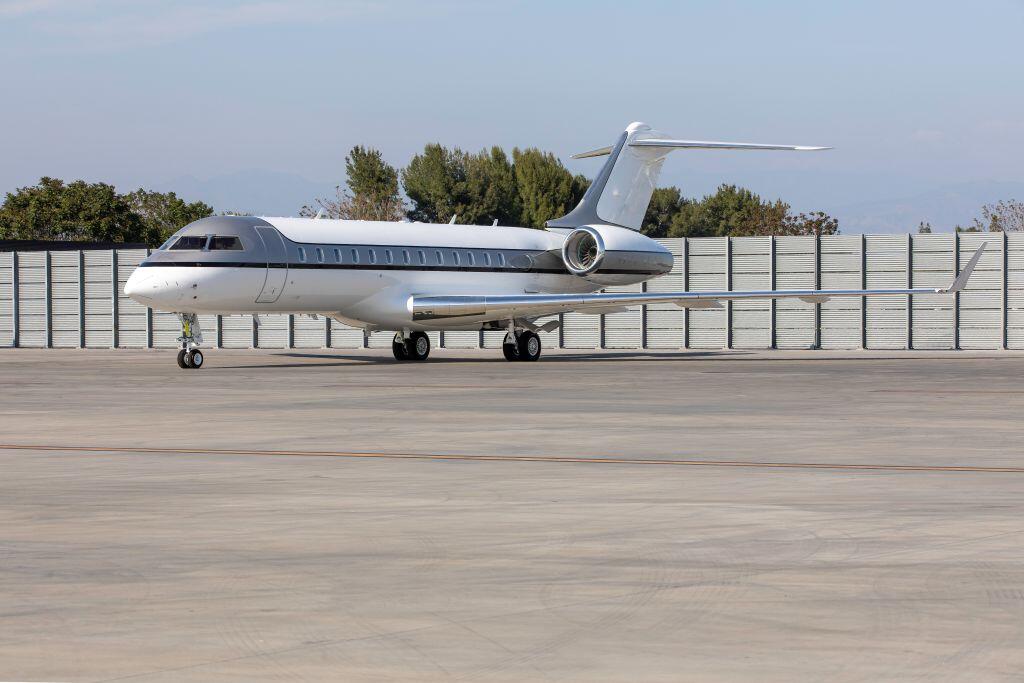
I have been flying and operating private jets for more than two decades. I have seen fuel spikes, supply disruptions, and market volatility. What is happening right now is different. And I think we need to talk about it more directly.
This is not just a pricing story; it’s a supply story. There is a meaningful difference.
From where I sit as an operator, jet fuel in parts of Europe is already running $10 to $11 a gallon. That is the highest I have seen in my career. Fuel surcharges on certain routes are hitting $30,000 to $50,000 per trip. Clients booking flights right now cannot get a final price because we genuinely do not know what fuel will cost by the time they fly. That is not a normal conversation to be having with customers.
But the pricing issue is actually secondary to the availability question, and that is what concerns me more heading into summer.
Europe refines almost none of its own jet fuel. It has relied heavily on refined product from the Middle East, and that supply has effectively stopped. The UK is in better shape because it draws crude from the North Atlantic and has its own refining capability. Mainland Europe does not have that advantage.
On top of that, China, which is the primary supplier of refined jet fuel to most of Asia, has pulled back significantly on exports. Pakistan is already critically short. India is not far behind. The ripple effects of that will reach other markets.
In the U.S., the problem looks different but is still real. Our refineries are built to process a blend of heavy, medium, and light crude. We produce plenty of medium and light through domestic extraction, but we import the heavy crude we need to complete the blend, primarily from Venezuela and the Middle East. That supply is constrained right now, which creates a domestic refining problem that most people are not talking about.
Here is how I explain it: we do not have an oil problem. We have a production and distribution problem. And those take time to fix even after the underlying cause resolves. You are looking at a multi-month lag before supply chains normalize, regardless of what happens geopolitically in the near term.
So what are operators actually doing about it?
At Silver Air, we have already changed our planning approach for Europe this summer. A G550 is capable of flying nonstop from the West Coast of the U.S. to virtually anywhere in mainland Europe. We may not do that anymore. Instead, we are planning to stop in Shannon or Prestwick, fuel up in the UK where supply is more stable, and tanker enough fuel to get to our destination and back to the UK without having to purchase fuel in countries where availability is uncertain. It adds time and complexity, but it’s the right call.
I also believe there will be destinations in Europe this summer where we simply will not be able to purchase fuel at all. Airports will prioritize commercial airlines when supply gets tight, and general aviation will get what is left. We all must plan accordingly.
A few things I would tell other operators:
Know where your fuel is coming from on every international leg before you depart. Do not assume it will be available at your destination. Build contingency stops into your planning even if the aircraft does not technically need them. Have honest conversations with your clients now about surcharge uncertainty so there are no surprises at invoice. And stay close to your international handling providers because they are the ones with the most current picture of availability at specific airports.
The industry has been through fuel price spikes before. We have not seen a supply picture quite like this one. The operators who plan for it now will have a much better summer than the ones who wait to see how it plays out.
Related Content