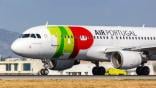
Frontier Airlines Airbus A321neo
In line with Aviation Week’s MRO Americas event, Carbon Analysis focuses on four LCCs in the region, namely Southwest Airlines, JetBlue, Frontier Airlines and WestJet.
The chart depicts a definitive downward trend in CO2 per Available Seat Kilometer (ASK) for all carriers analyzed. Reduced emissions per ASK also means reduced fuel costs.
Frontier steals the show with its remarkably low CO2/ASK. A simple Airbus A320 family fleet, with a concerted focus on modern technology (82% neo aircraft in the first quarter of 2026), has gradually pushed the airline into sub 0.05 CO2kg/ASK territory, a brag only a handful of airlines in the world can make.
JetBlue doesn’t perform well in the context of this analysis, although this is a little unfair. The airline is a “hybrid” carrier, rather than a true LCC. They provide a premium seating class, reducing the number of seats onboard, which reduces efficiency. That said, JetBlue’s low proportion of modern aircraft in fleet means it will always struggle to compete with others in this analysis.
Southwest and WestJet, though sitting at opposing ends of the size spectrum, perform similarly. Both opt for Boeing 737-8s, with a reasonably high proportion of these to 737NGs, driving their efficiency gains through the years. WestJet, however, does differentiate with 787-9s, the only carrier in this analysis to conduct widebody operations. Their good performance is testament to the efficiency of the 787.
In the first quarter of 2026, these airlines averaged 0.0633 CO2kg/ASK. This is over 20% more efficient than the global average for passenger operations. With CO2 emissions, but also jet fuel prices in mind, this is a strong position to be in.