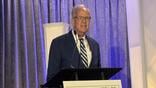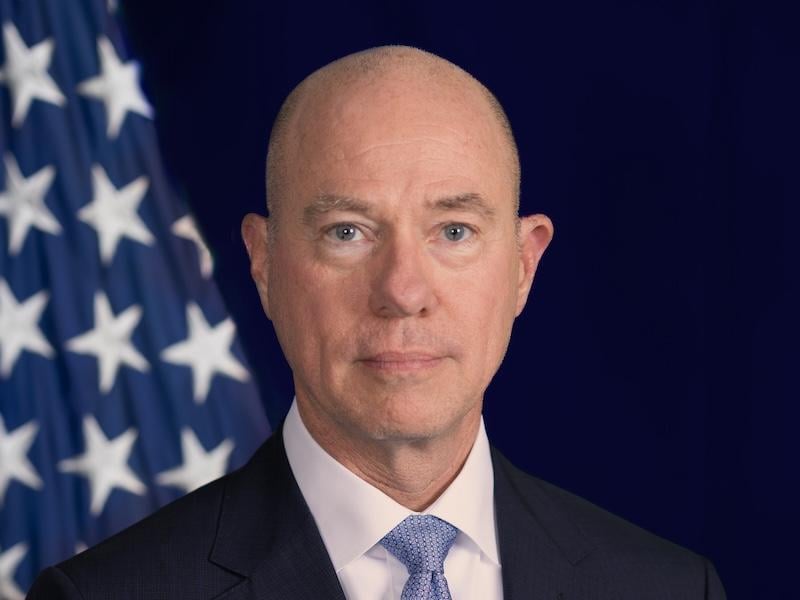
Bryan Bedford, FAA Administrator.
SINGAPORE—The political will and monetary investment required to modernize the U.S. air traffic management (ATM) system is in place; it’s now down to FAA to execute on the plan, the agency’s administrator told an international aviation audience.
Bryan Bedford, who took the helm at FAA in July, having previously been CEO at U.S. airline Republic Airways, spoke Feb. 2 as a panelist at the Changi Aviation Summit on the eve of the Singapore Airshow.
He immediately addressed the January 2025 fatal mid-air crash of a U.S. Army helicopter, which ran into the path of an American Airlines regional jet, a Bombardier CRJ700 operated by PSA Airlines/American Eagle, as the airliner was on final approach to Reagan National Airport, Washington. All 67 passengers and crew on both aircraft were killed.
An NTSB investigation report issued last week cited multiple failures leading up to the crash, including FAA allowing helicopters to travel close to the busy airport without sufficient separation protocols.
One of Bedford’s first and top priorities on joining FAA is helping lead an initiative launched by U.S. Transportation Department Secretary Sean Duffy earlier last year to modernize and reset the national ATM system. It is a massive undertaking involving replacing antiquated and analogue equipment with digital and high-tech tools and creating a system that can manage petabytes of data and make the whole system more safe, sequential and efficient.
Addressing the summit in Singapore, Bedford said the tragic crash helped “crystallize thinking” about ATM modernization. The U.S. system is “enormous,” he said, handling some 18 million IFR flights a year. But some of the system’s equipment goes back as far as the 1950s and almost 90% of the agency’s investment dollars are spent on maintenance, he said.
“The most difficult thing is to find common ground” across all stakeholders, including airlines and other users like those in the general aviation, military, space and drone sectors, Bedford said.
“But we have the willpower, the monetary investment and a great plan; we just have got to execute it,” he said.
“We didn’t start with the [cost] numbers and how to pay for it. We started with what was the cost of not doing it.”

Related Content